Inside Our Zongzi Workshop in London: Celebrating Dragon Boat Festival Through Food
A community recap of a hands-on zongzi workshop in London, hosted by London Chinese Culture Meetup and sponsored by Nihao Serica for Dragon Boat Festival.
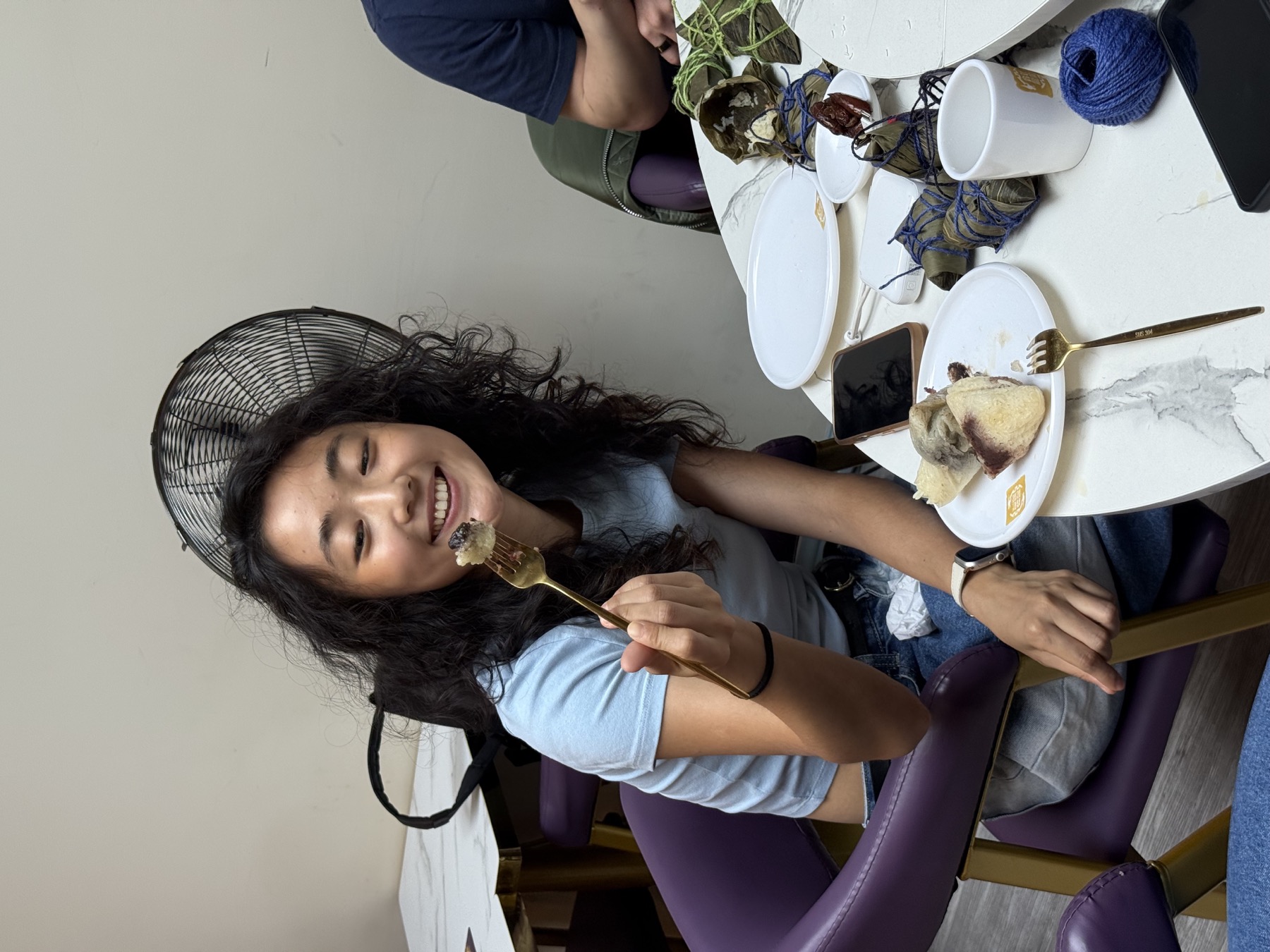
A participant tastes handmade zongzi after the workshop, surrounded by the leaves, string, and finished parcels from the session.
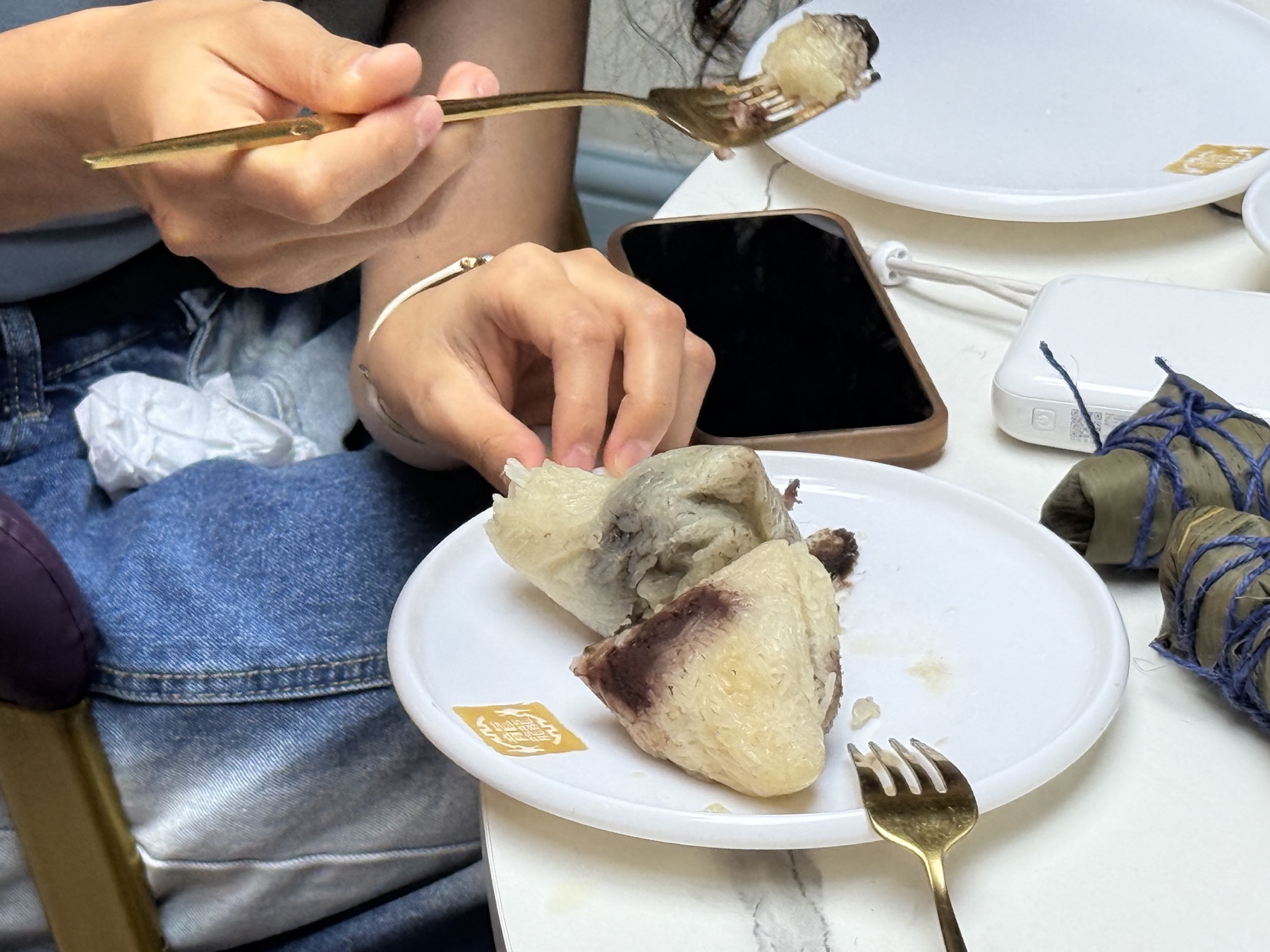
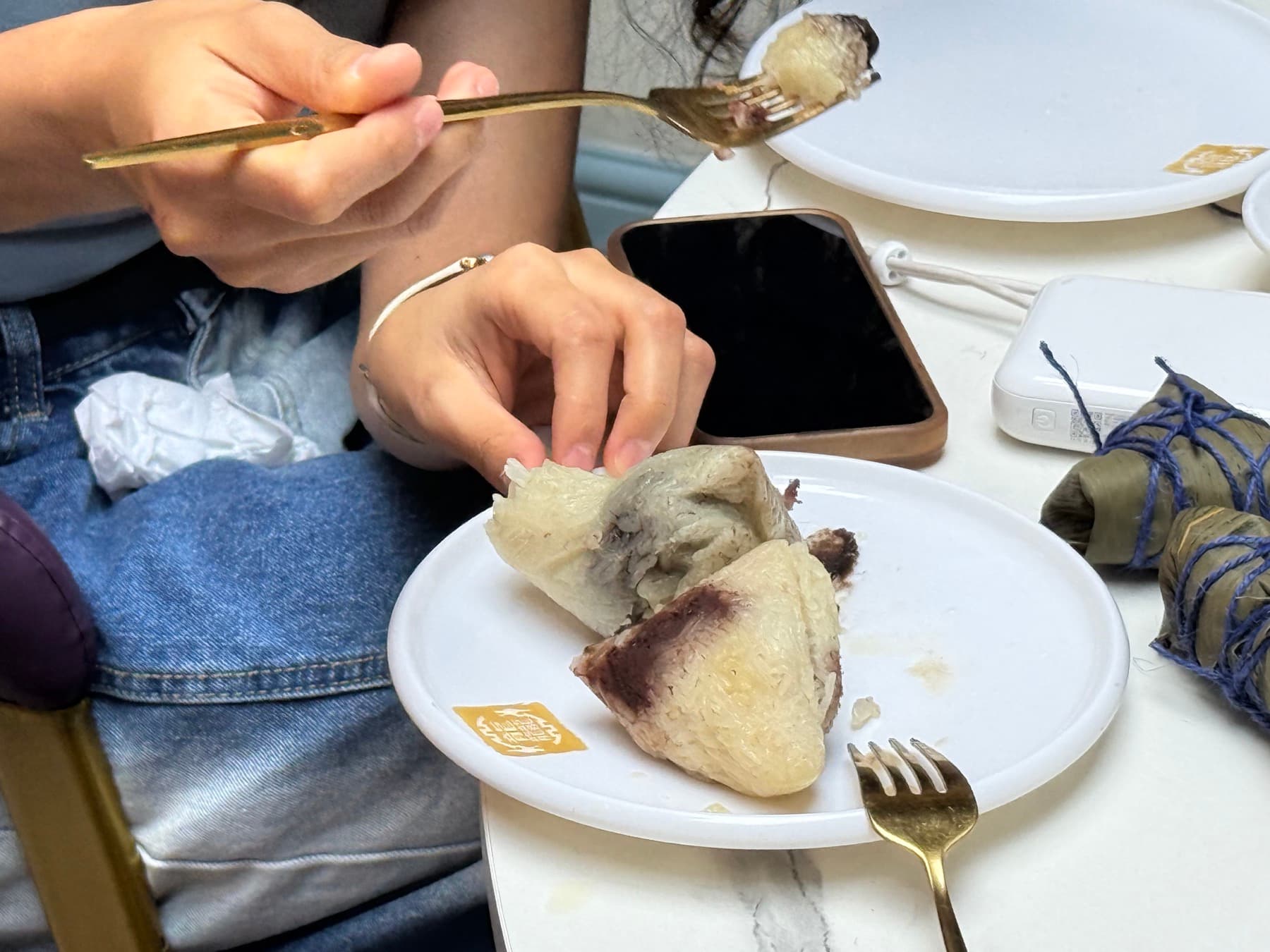
A steamed zongzi cut open to reveal sticky rice and red date filling.
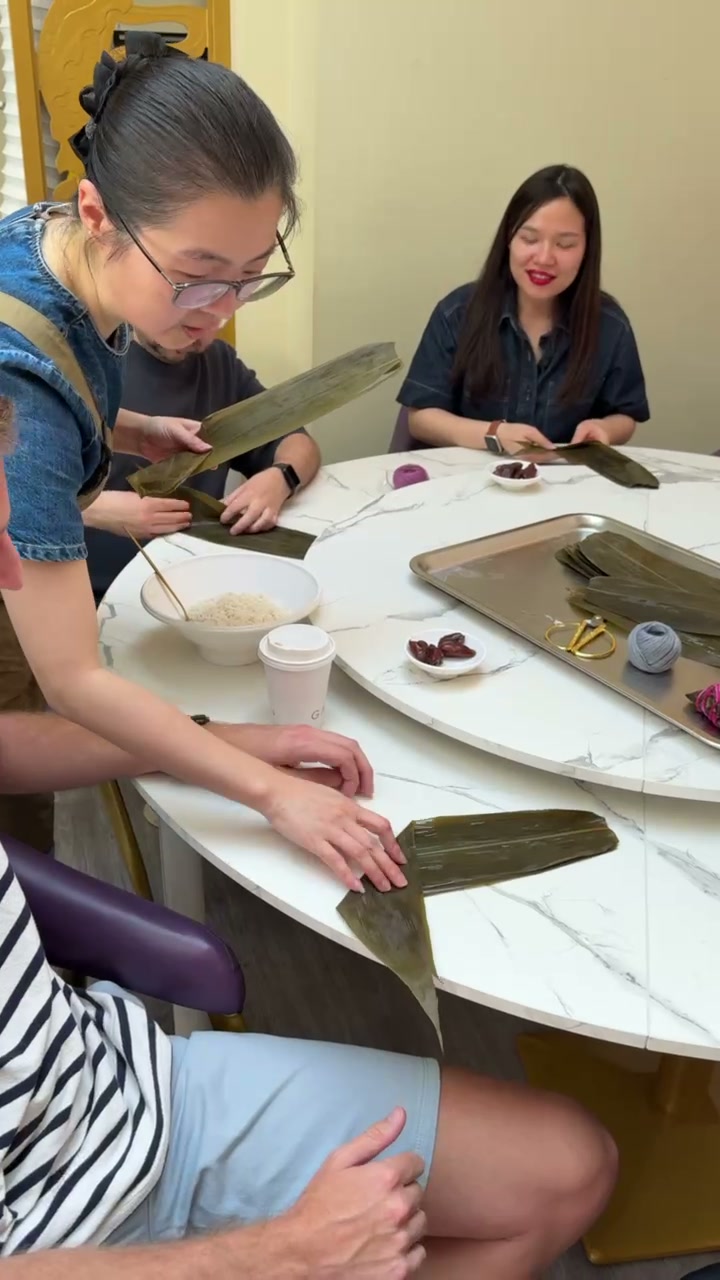
The class moved from festival story into practice, with everyone laying out leaves and learning the first folds together.
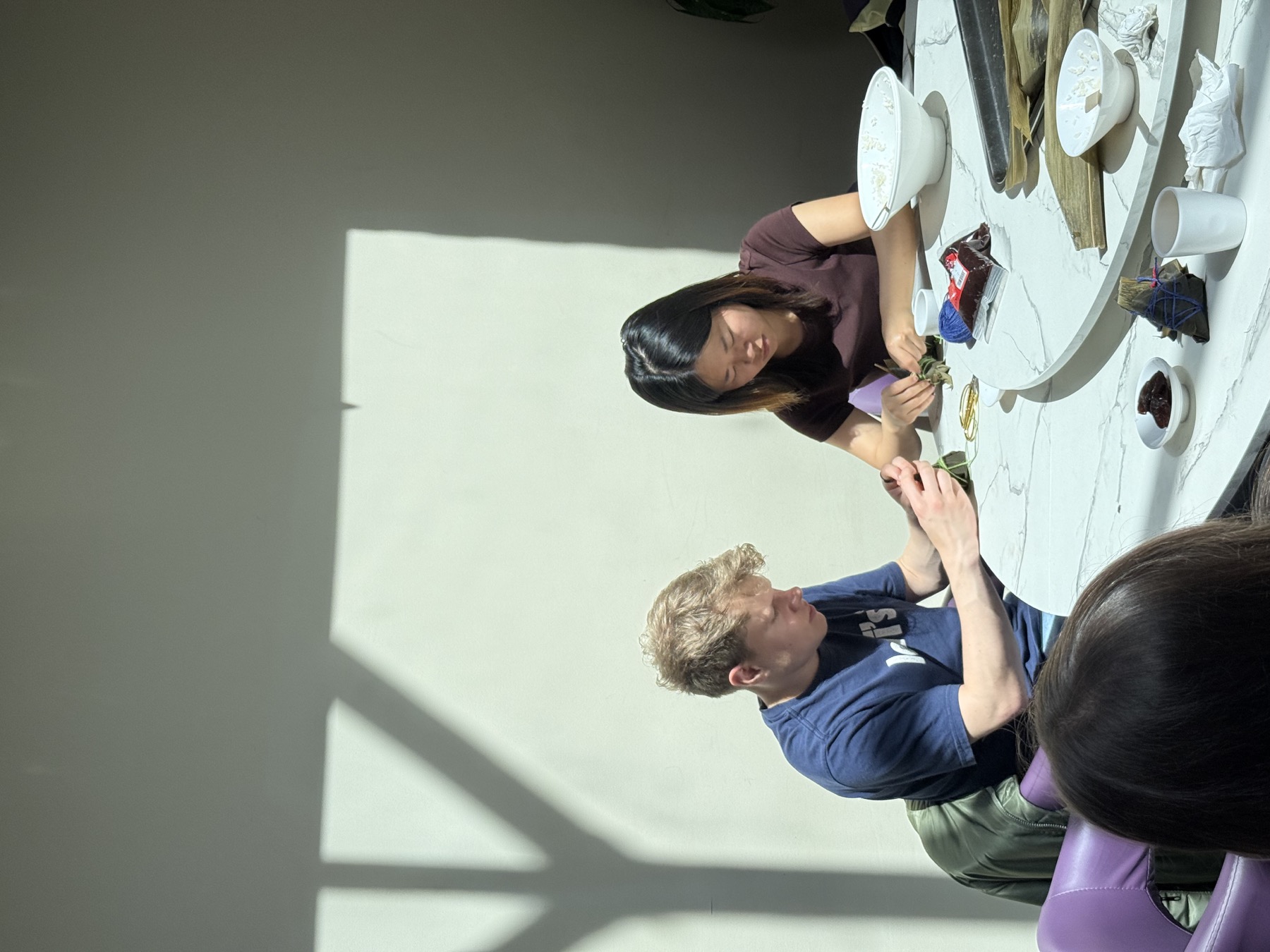
Around the table, participants learned by copying, correcting, and helping each other.
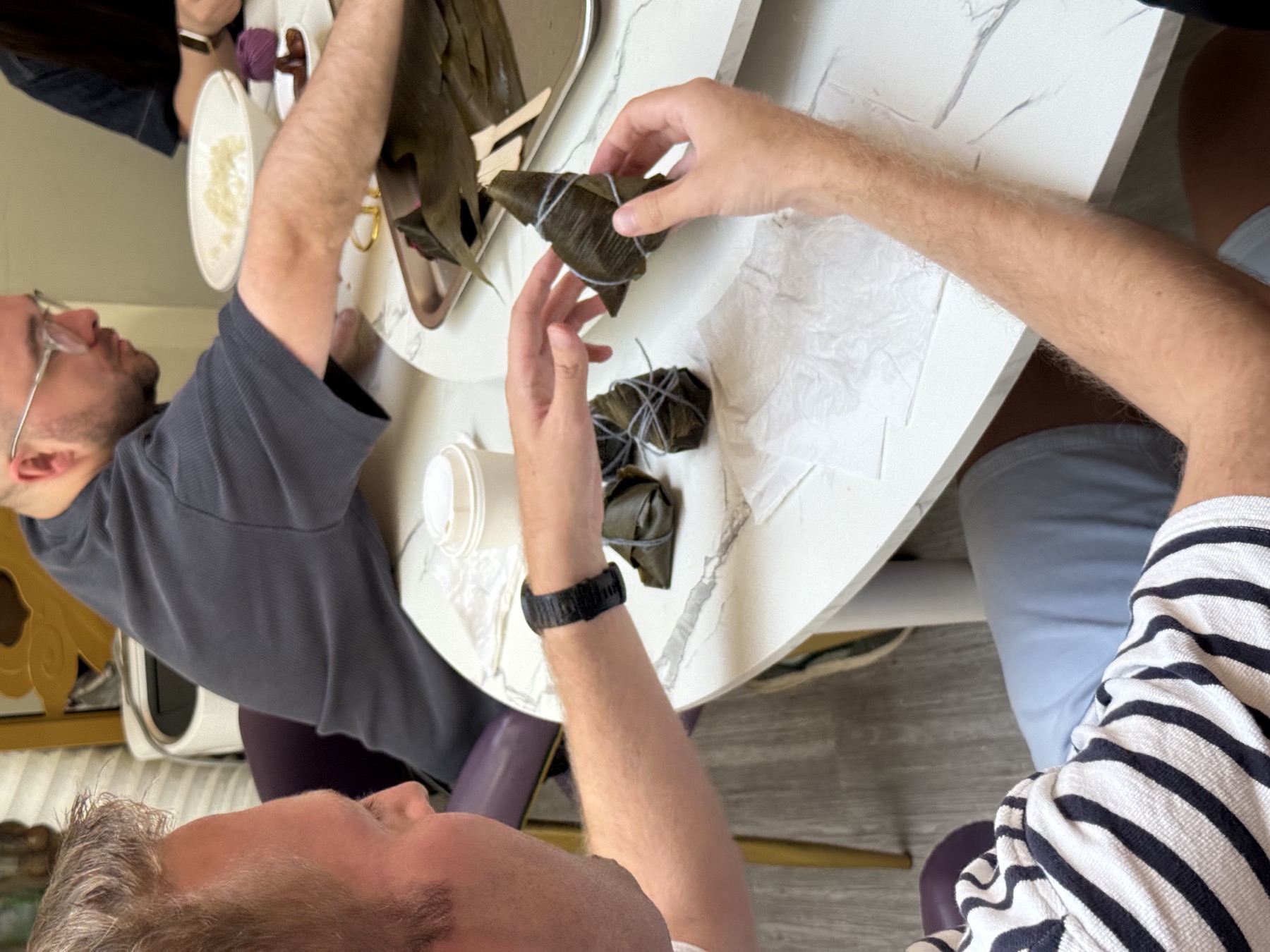
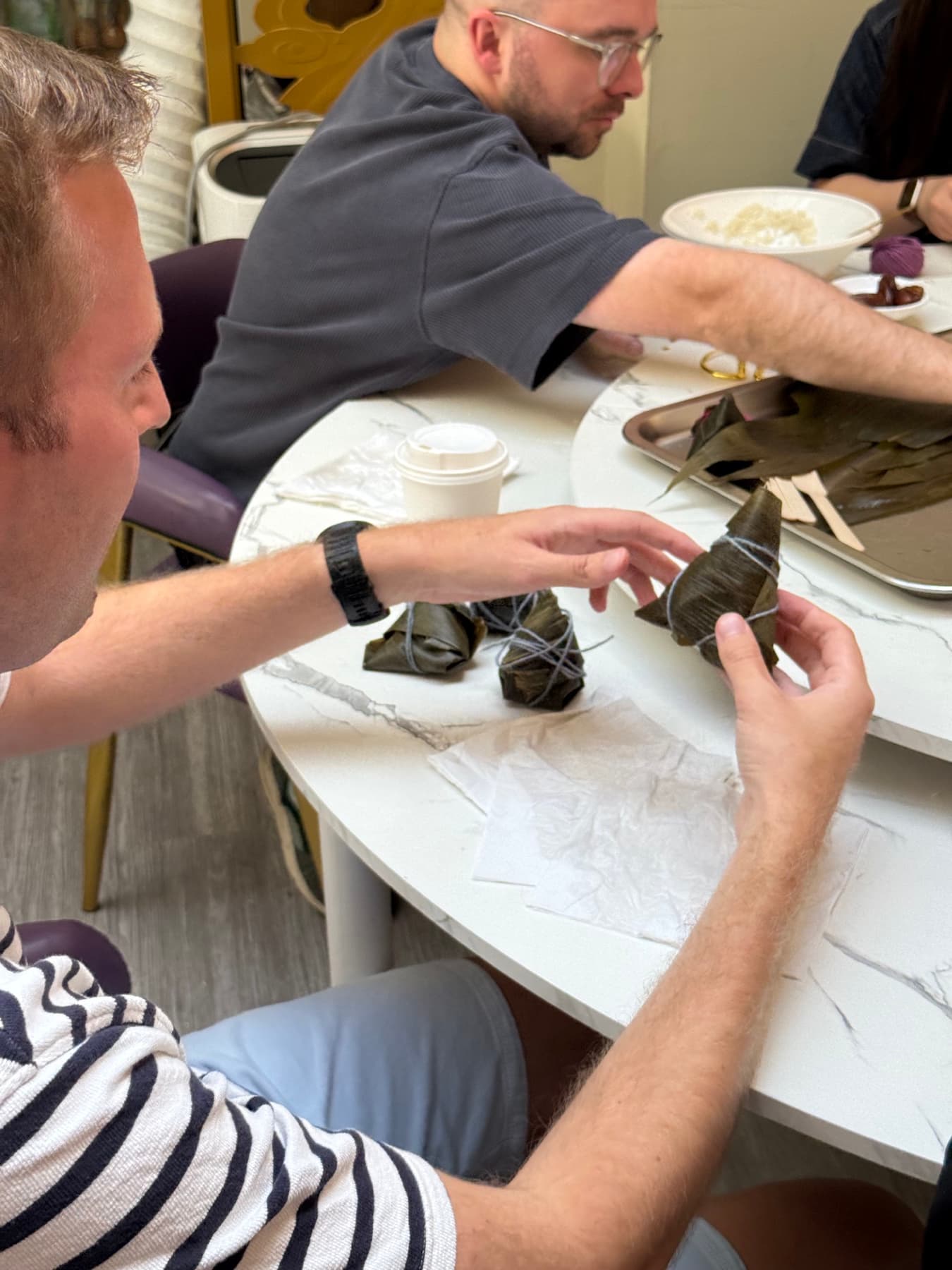
Folding the leaves and tying the string is where zongzi changes from a dish into a shared skill.
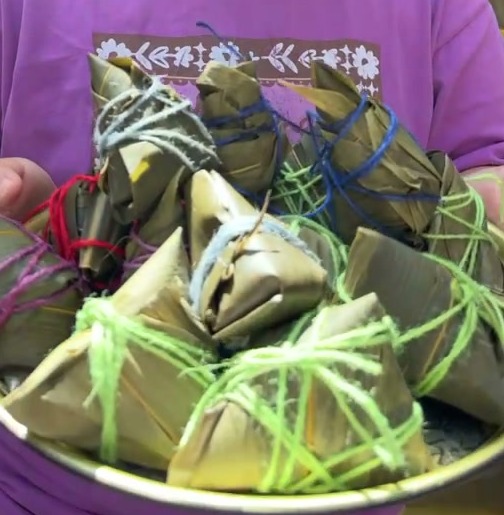
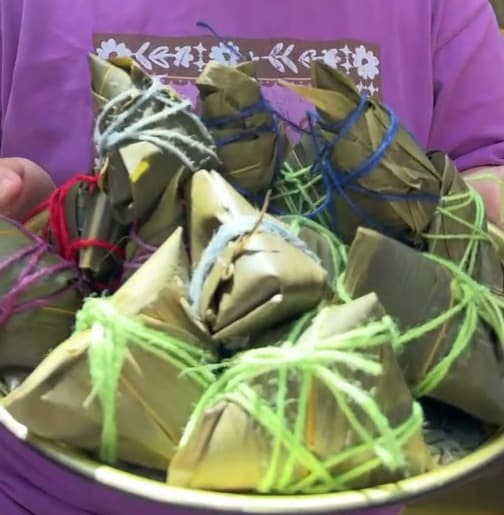
Finished zongzi tied with colourful string, ready to steam and share.
A participant tastes handmade zongzi after the workshop, surrounded by the leaves, string, and finished parcels from the session.
A steamed zongzi cut open to reveal sticky rice and red date filling.
The class moved from festival story into practice, with everyone laying out leaves and learning the first folds together.
Around the table, participants learned by copying, correcting, and helping each other.
Folding the leaves and tying the string is where zongzi changes from a dish into a shared skill.
Finished zongzi tied with colourful string, ready to steam and share.
A participant tastes handmade zongzi after the workshop, surrounded by the leaves, string, and finished parcels from the session.
A steamed zongzi cut open to reveal sticky rice and red date filling.
The class moved from festival story into practice, with everyone laying out leaves and learning the first folds together.
Around the table, participants learned by copying, correcting, and helping each other.
Folding the leaves and tying the string is where zongzi changes from a dish into a shared skill.
Finished zongzi tied with colourful string, ready to steam and share.
A participant tastes handmade zongzi after the workshop, surrounded by the leaves, string, and finished parcels from the session.
A steamed zongzi cut open to reveal sticky rice and red date filling.
The class moved from festival story into practice, with everyone laying out leaves and learning the first folds together.
Around the table, participants learned by copying, correcting, and helping each other.
Folding the leaves and tying the string is where zongzi changes from a dish into a shared skill.
Finished zongzi tied with colourful string, ready to steam and share.
A participant tastes handmade zongzi after the workshop, surrounded by the leaves, string, and finished parcels from the session.
A steamed zongzi cut open to reveal sticky rice and red date filling.
The class moved from festival story into practice, with everyone laying out leaves and learning the first folds together.
Around the table, participants learned by copying, correcting, and helping each other.
Folding the leaves and tying the string is where zongzi changes from a dish into a shared skill.
Finished zongzi tied with colourful string, ready to steam and share.
A participant tastes handmade zongzi after the workshop, surrounded by the leaves, string, and finished parcels from the session.
A steamed zongzi cut open to reveal sticky rice and red date filling.
The class moved from festival story into practice, with everyone laying out leaves and learning the first folds together.
Around the table, participants learned by copying, correcting, and helping each other.
Folding the leaves and tying the string is where zongzi changes from a dish into a shared skill.
Finished zongzi tied with colourful string, ready to steam and share.
A participant tastes handmade zongzi after the workshop, surrounded by the leaves, string, and finished parcels from the session.
A steamed zongzi cut open to reveal sticky rice and red date filling.
The class moved from festival story into practice, with everyone laying out leaves and learning the first folds together.
Around the table, participants learned by copying, correcting, and helping each other.
Folding the leaves and tying the string is where zongzi changes from a dish into a shared skill.
Finished zongzi tied with colourful string, ready to steam and share.
A participant tastes handmade zongzi after the workshop, surrounded by the leaves, string, and finished parcels from the session.
A steamed zongzi cut open to reveal sticky rice and red date filling.
The class moved from festival story into practice, with everyone laying out leaves and learning the first folds together.
Around the table, participants learned by copying, correcting, and helping each other.
Folding the leaves and tying the string is where zongzi changes from a dish into a shared skill.
Finished zongzi tied with colourful string, ready to steam and share.
Article
What Is Zongzi?
Why Zongzi Matter During Dragon Boat Festival
A Hands-On Chinese Culture Workshop in London
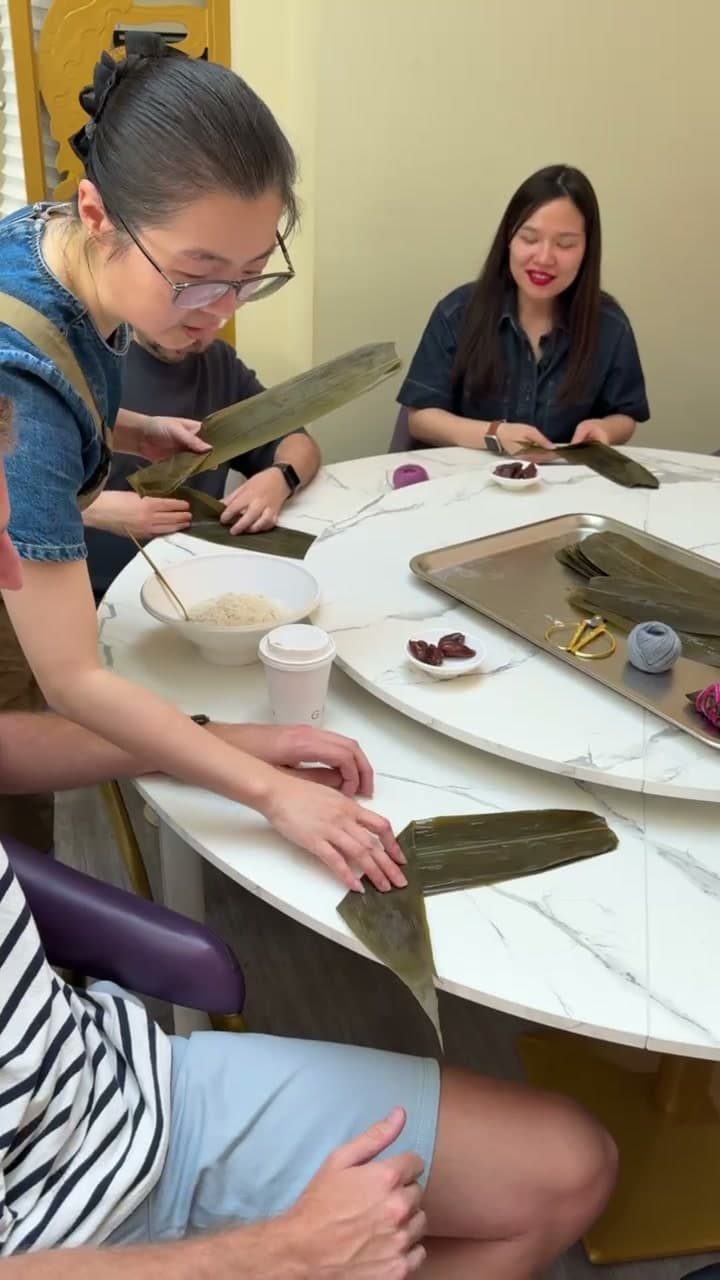
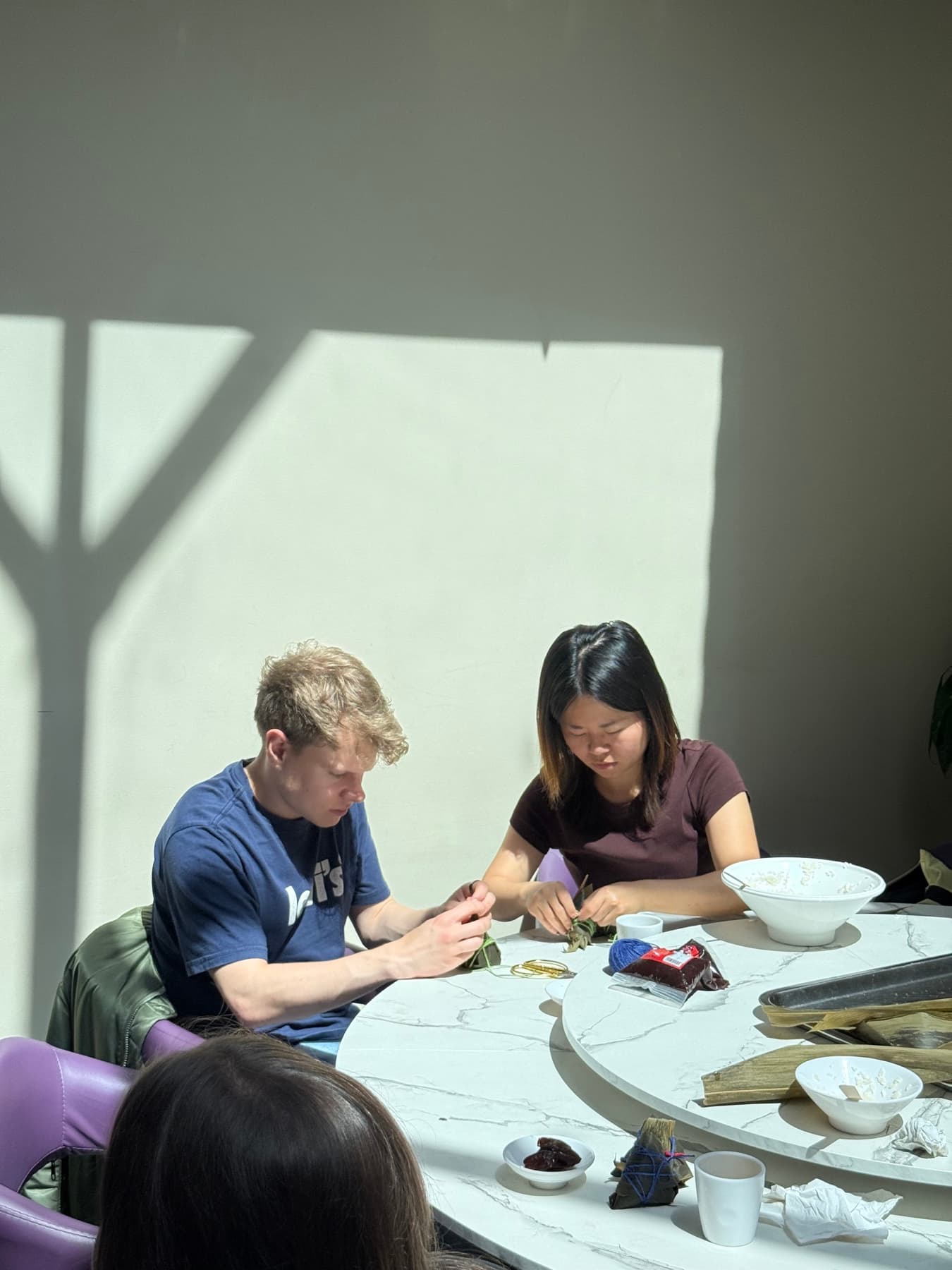
- hands carefully folding lotus leaves into shape
- bowls of glutinous rice and fillings spread across the table
- participants helping each other understand the wrapping technique
- finished zongzi piled into bowls, tied with colourful string
- people tasting what they had made together
What Participants Made
| Ingredient | Role in the zongzi |
|---|---|
| Lotus leaves | Wrap the rice and add fragrance |
| Glutinous rice | Forms the soft, sticky body of the parcel |
| Pork | Adds savoury richness |
| Red dates | Bring sweetness and festival symbolism |
| Sugar | Balances the flavour |
| String | Holds the parcel together while cooking |
Why This Kind Of Event Matters
- the cultural meaning of a festival
- the patience behind traditional food
- the differences between Chinese regional tastes
- the social feeling of learning around a shared table
Supported By Nihao Serica
Looking For More Chinese Cultural Events In London?
FAQ
What is a zongzi workshop?
What is Dragon Boat Festival?
Where can I join a zongzi workshop in London?
Do I need to speak Chinese to join an LCCM event?
Is zongzi sweet or savoury?

First Time in China: Everything You Need to Know Before You Go (2026)
Everything a first-time visitor to China needs to sort before departure: visas, mobile payments, essential apps, high-speed trains, which cities to start with, and how to get support on the ground.

China High-Speed Trains: How to Use Them Without Losing Half the Day (2026)
A practical guide to booking, boarding, seat choices, luggage, station flow, and common mistakes when using China high-speed trains as a foreign visitor.

In Suizhou, Even the Silence Felt Carefully Preserved: Fiona's Story
Fiona Vella's Suizhou journey moves through bronze chime bell history, Yan Emperor heritage, lake performance, ancient ginkgo groves, forest hotels, mountain pools and karst caves.