In Suizhou, Even the Silence Felt Carefully Preserved: Fiona's Story
Fiona Vella's Suizhou journey moves through bronze chime bell history, Yan Emperor heritage, lake performance, ancient ginkgo groves, forest hotels, mountain pools and karst caves.
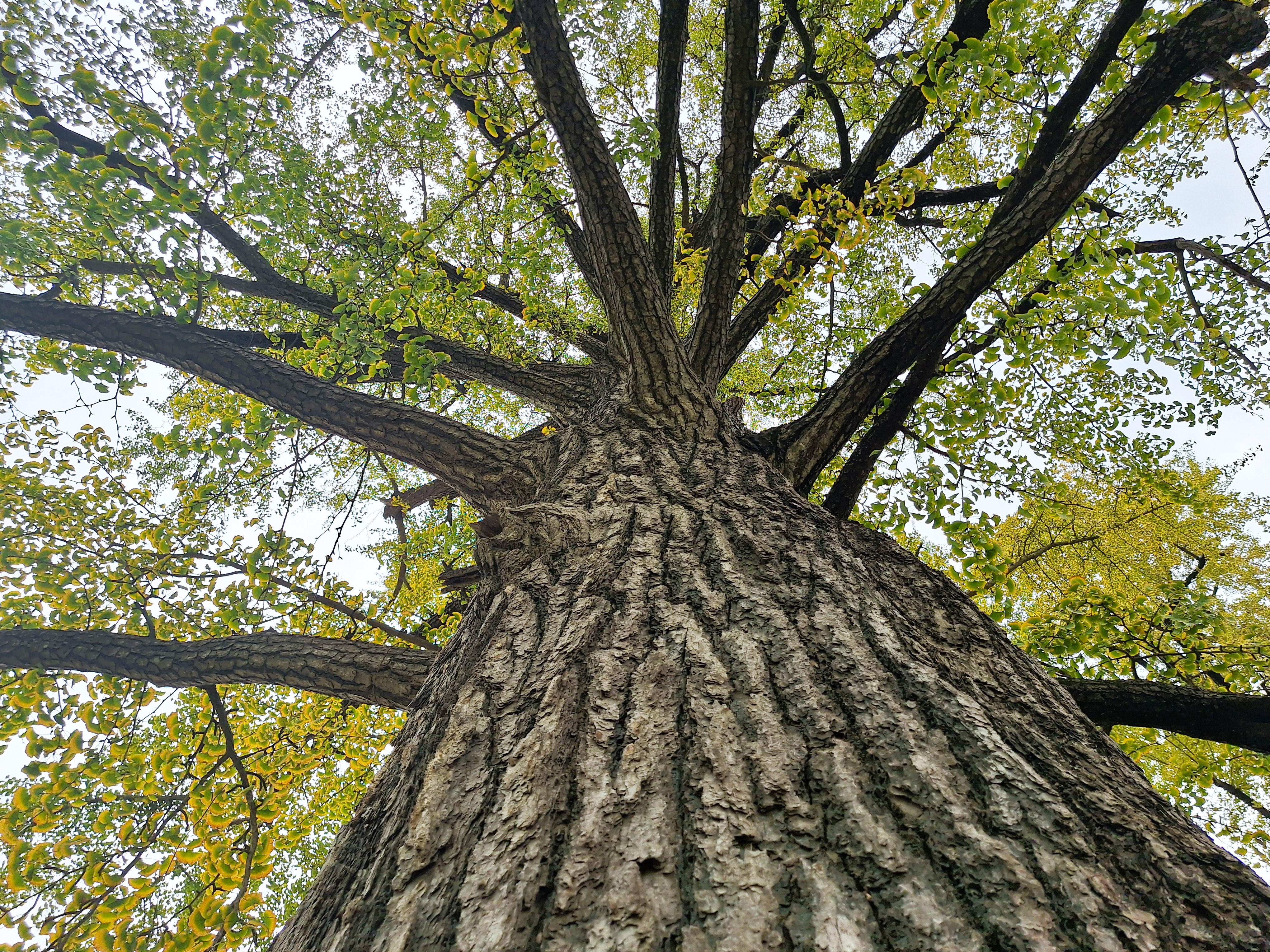
An ancient ginkgo tree stands in Suizhou's Millennium Ginkgo Valley, setting the article's tone of time, landscape and quiet preservation.
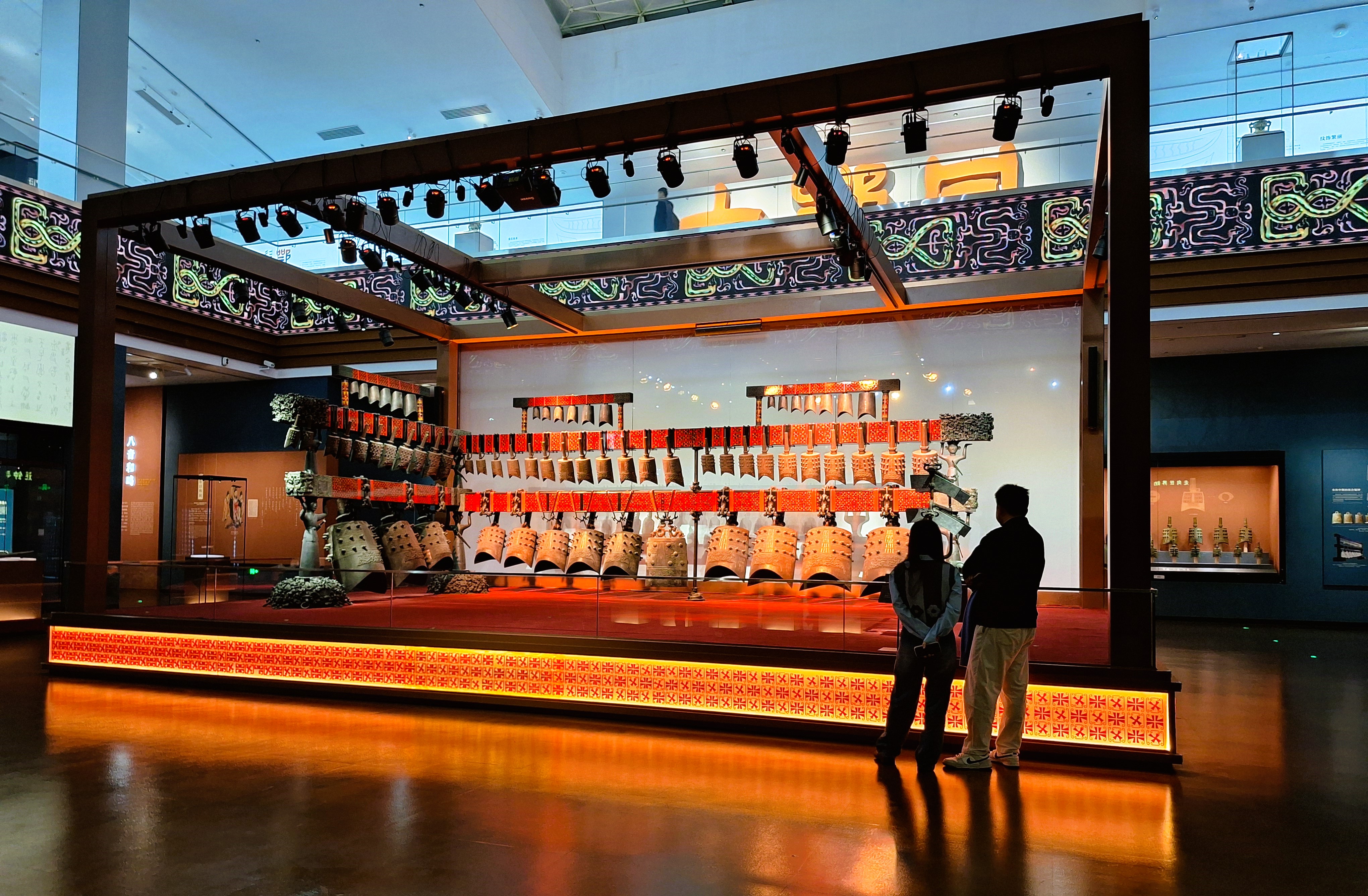
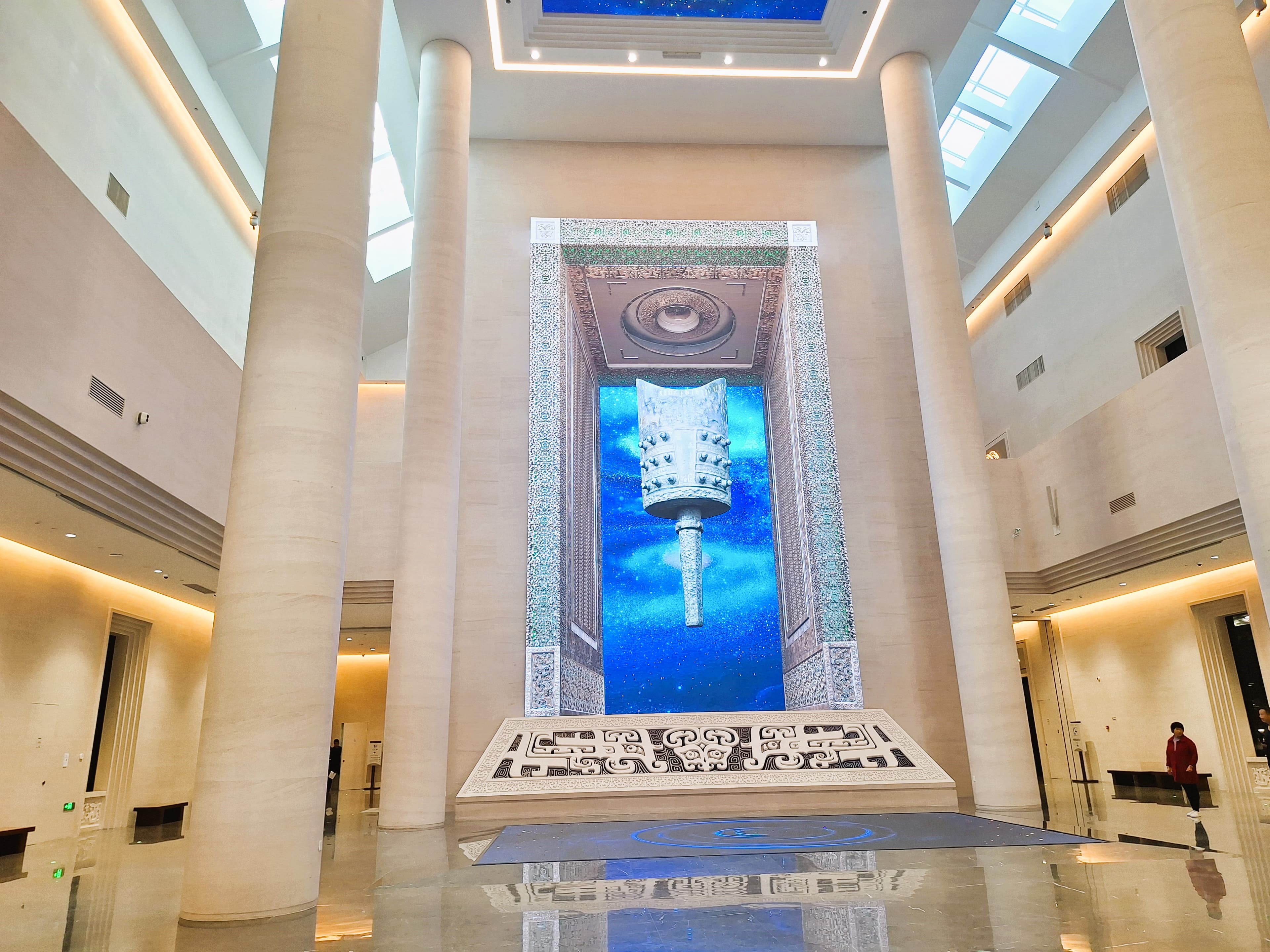
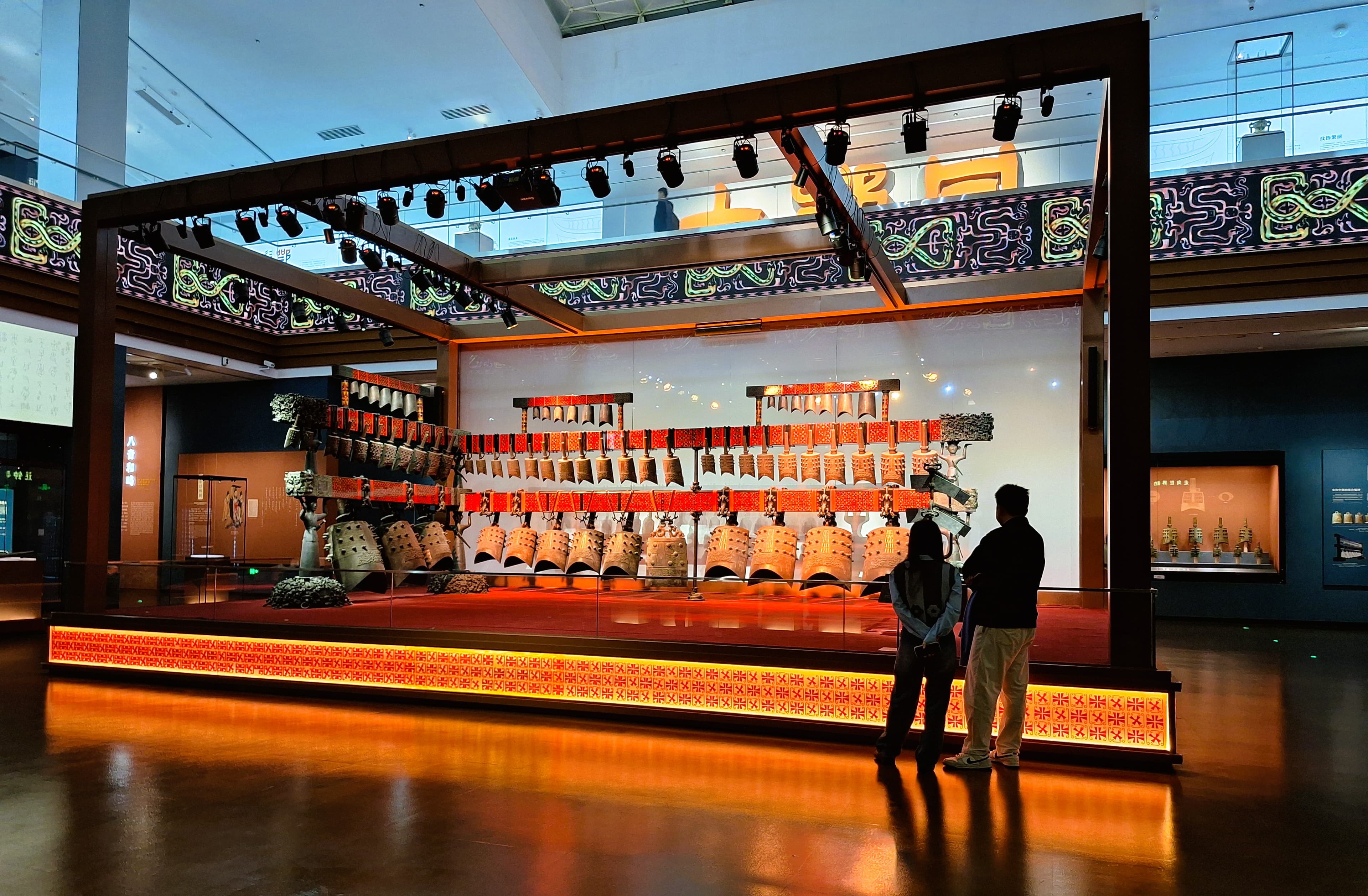
Bronze chime bells at Suizhou Museum introduce the region's connection to the State of Zeng, music, ritual and early Chinese political life.
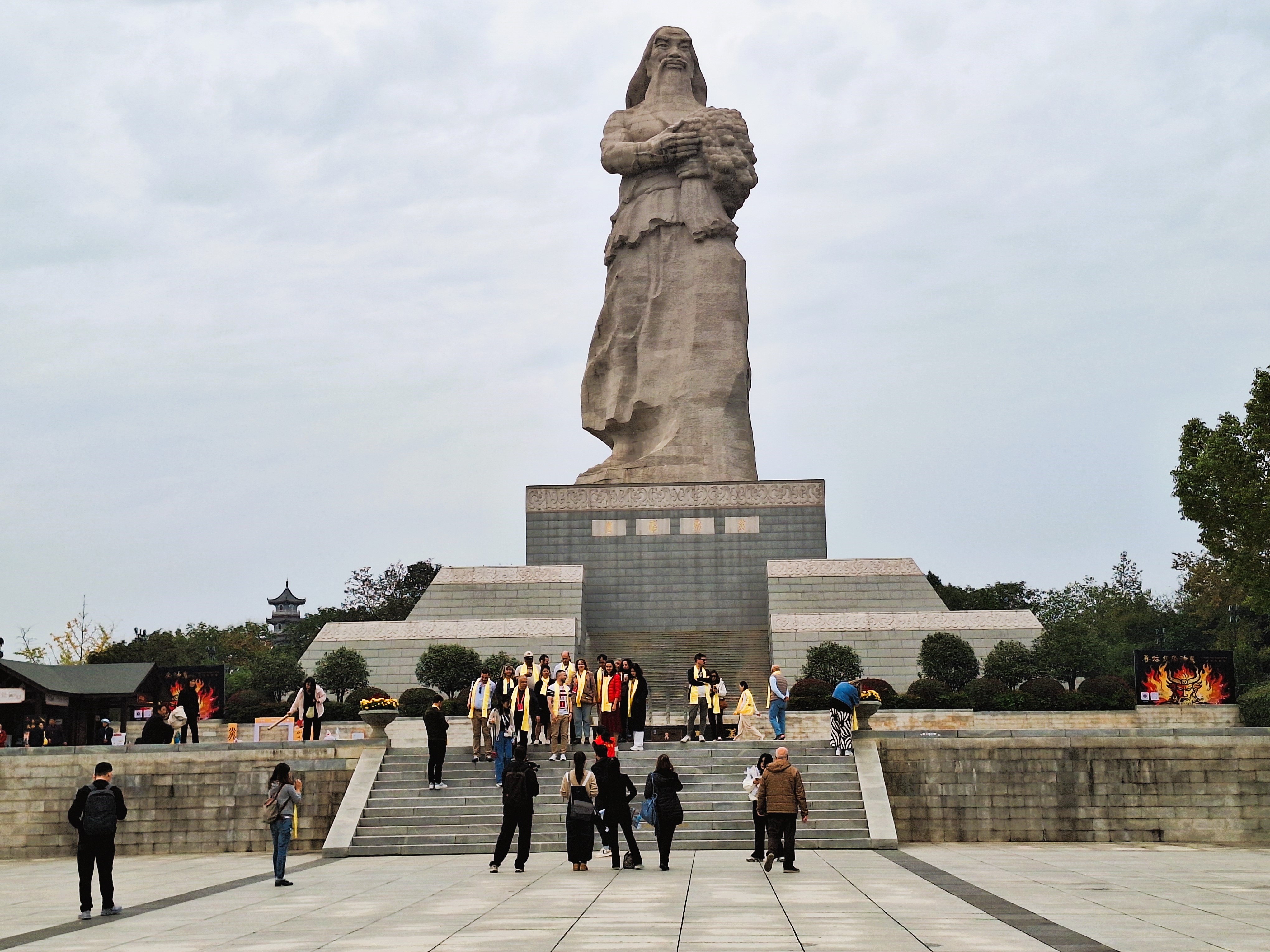
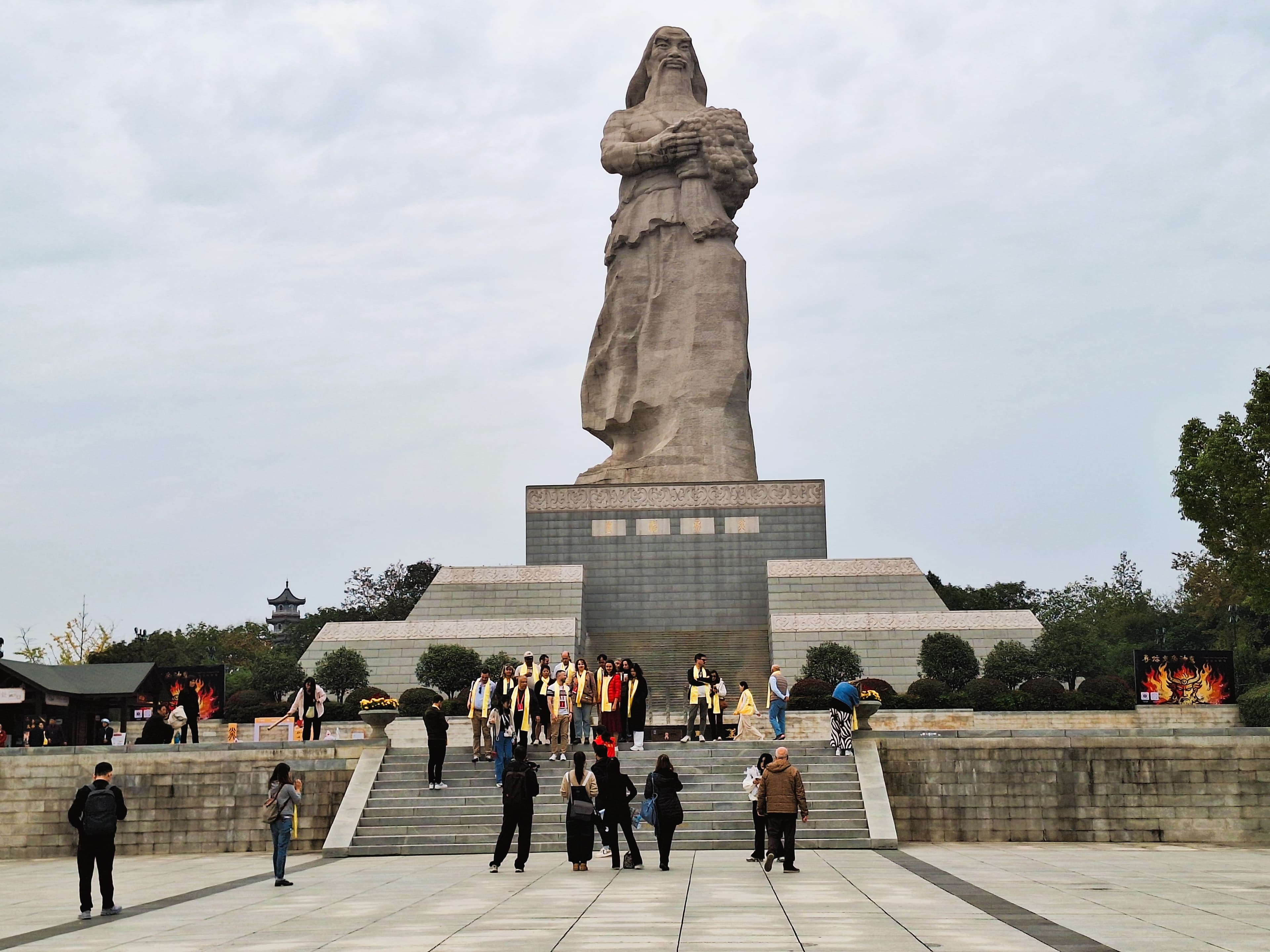
The monumental statue of Yan Emperor Shennong stands at the ceremonial heart of the Yan Emperor's Hometown Scenic Area.
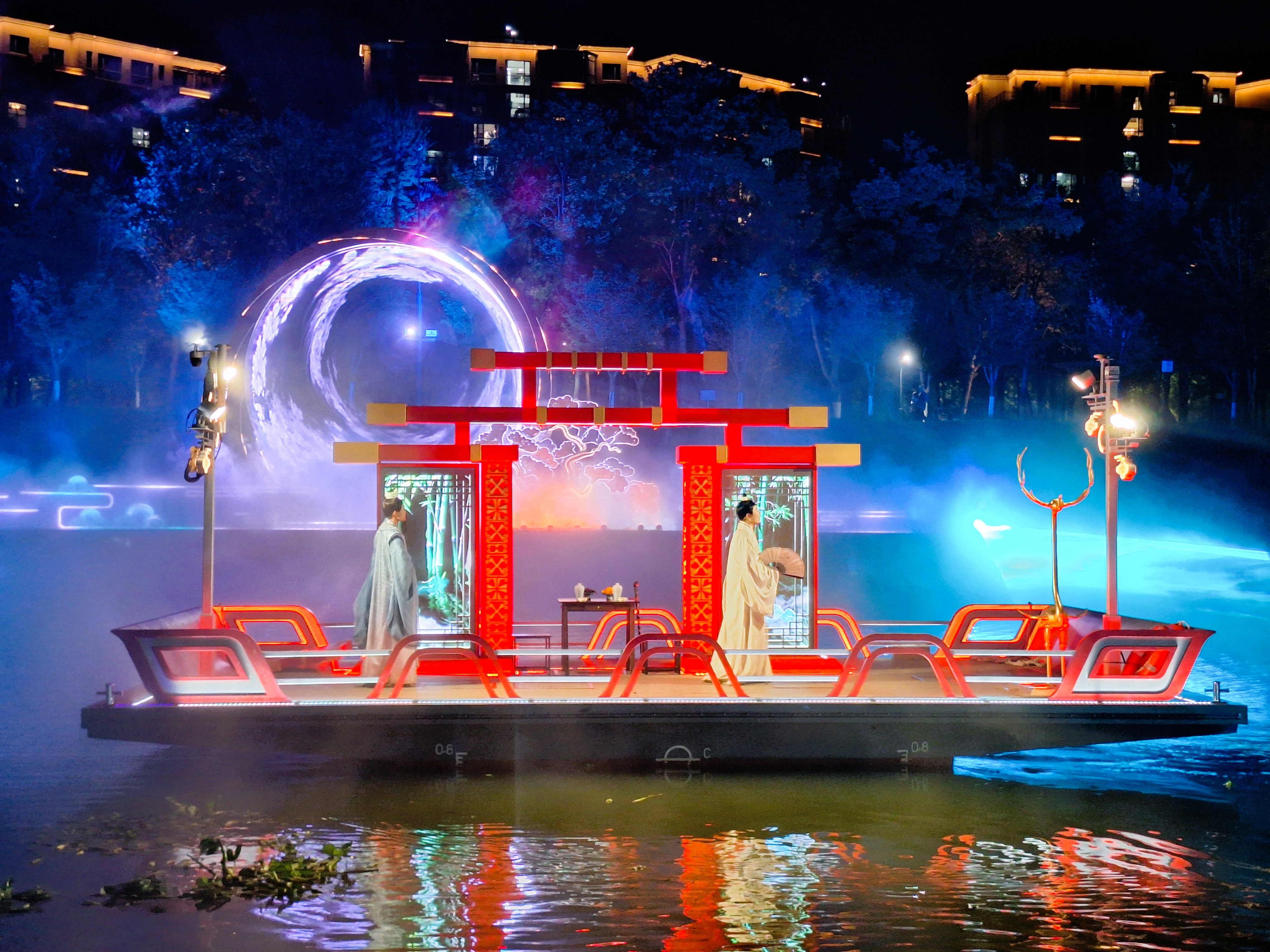
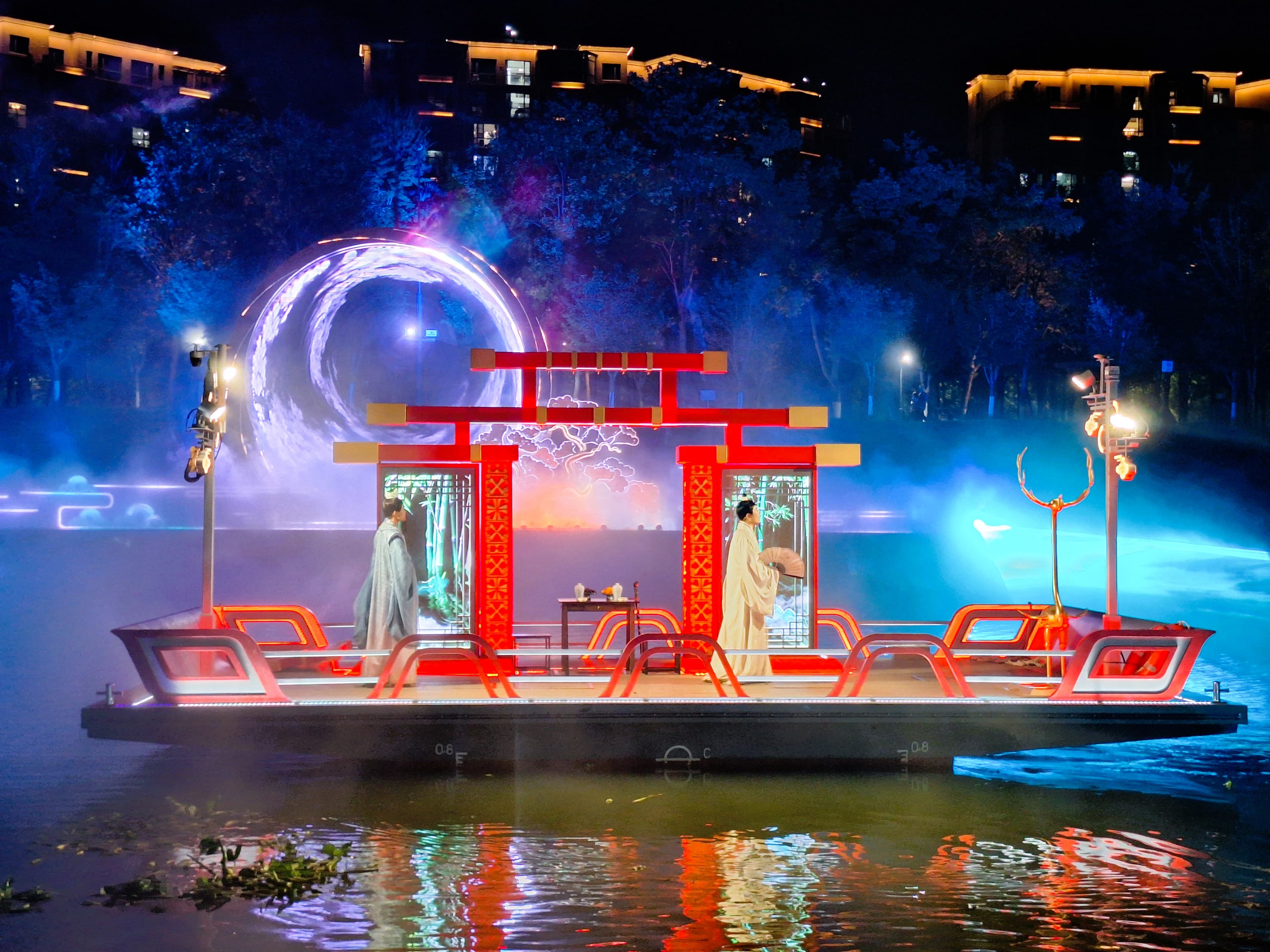
A live performance during the Baiyun Lake Night Cruise uses light, water and movement to retell Suizhou's cultural stories.
Tree houses at Naked Home Grand Ginkgo Valley Resort show how the property is integrated into Suizhou's forested landscape.
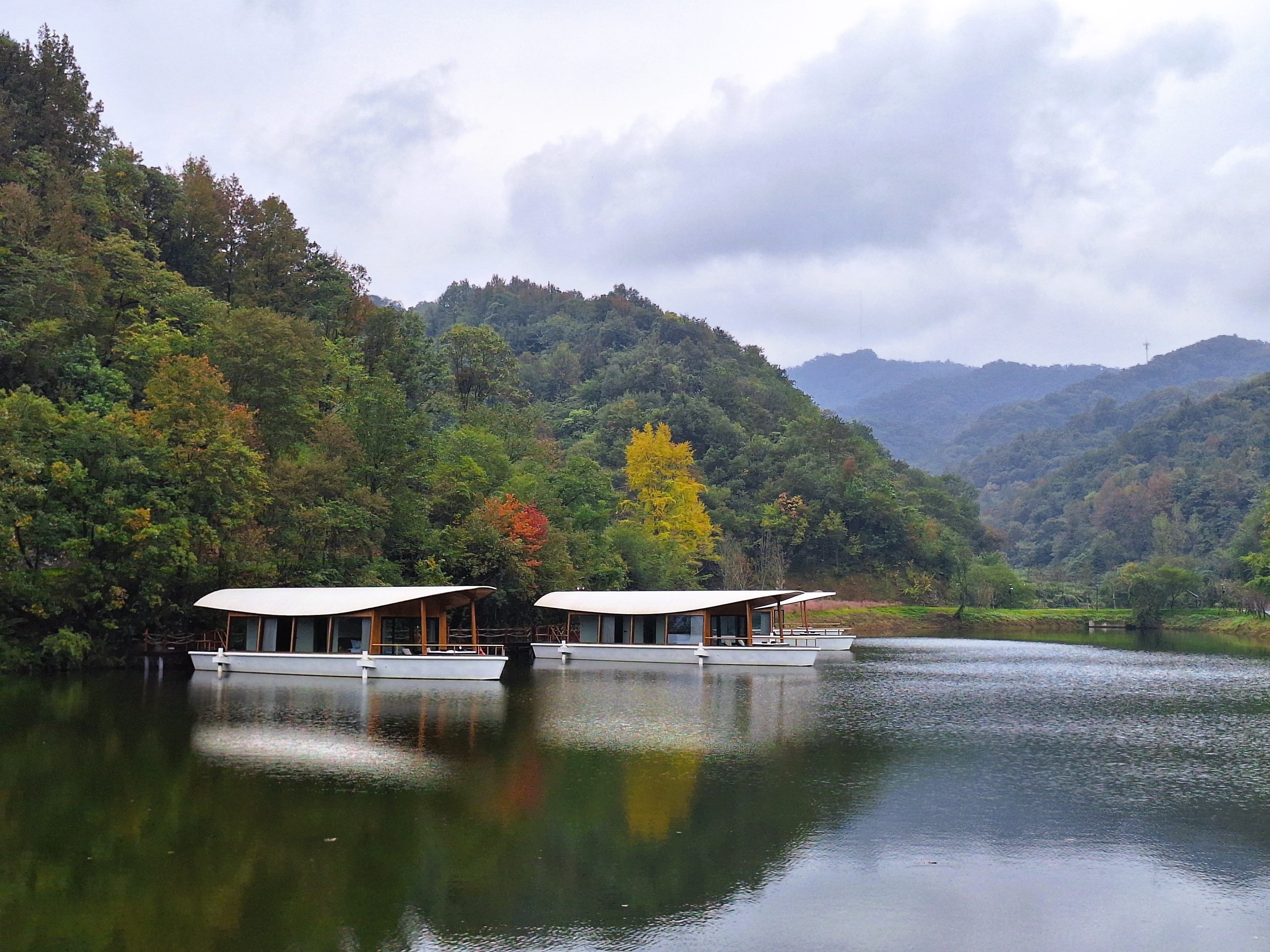
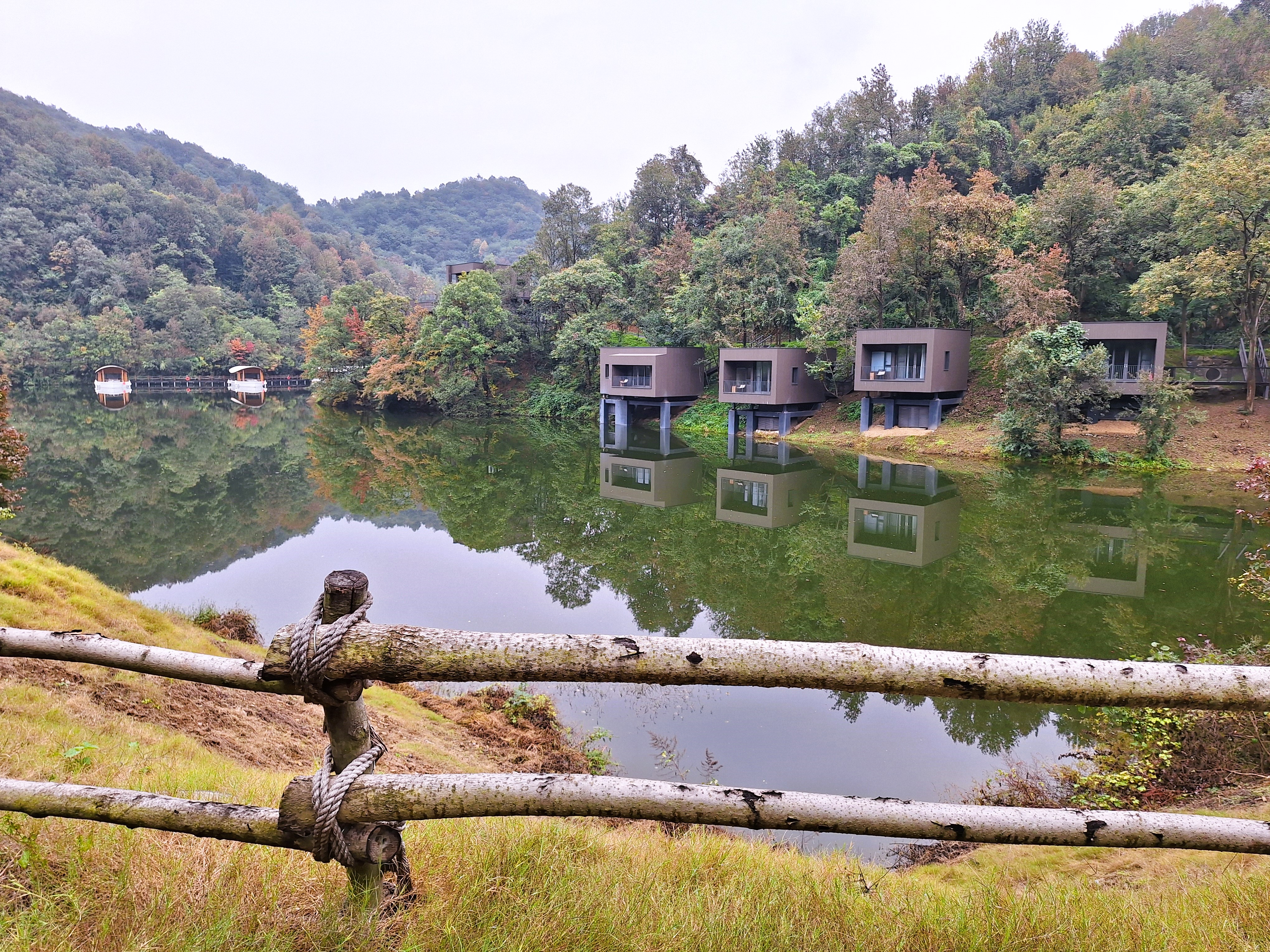
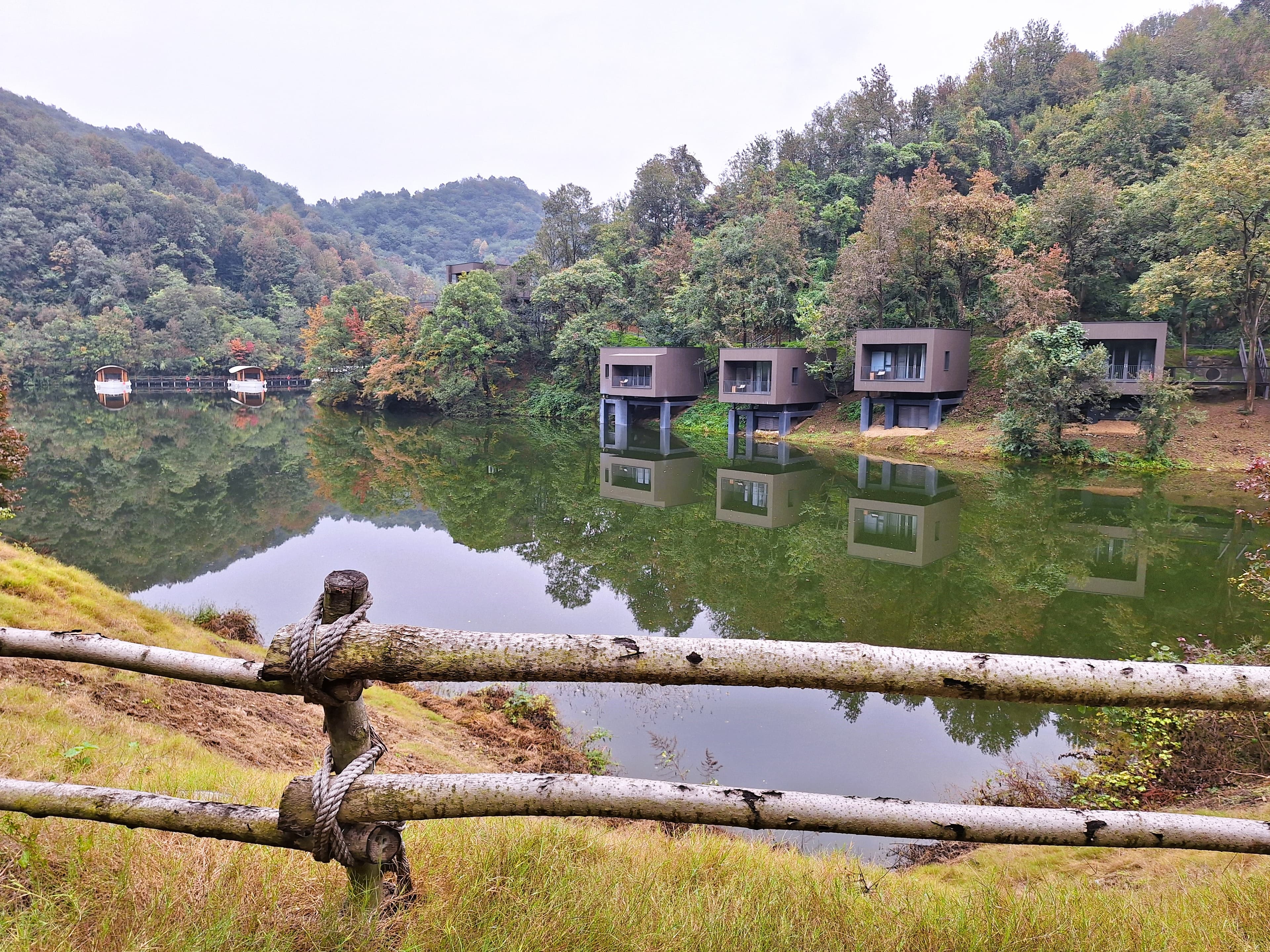
Lake houses at Naked Home Grand Ginkgo Valley Resort reflect the resort's emphasis on water, nature and quiet contemporary design.
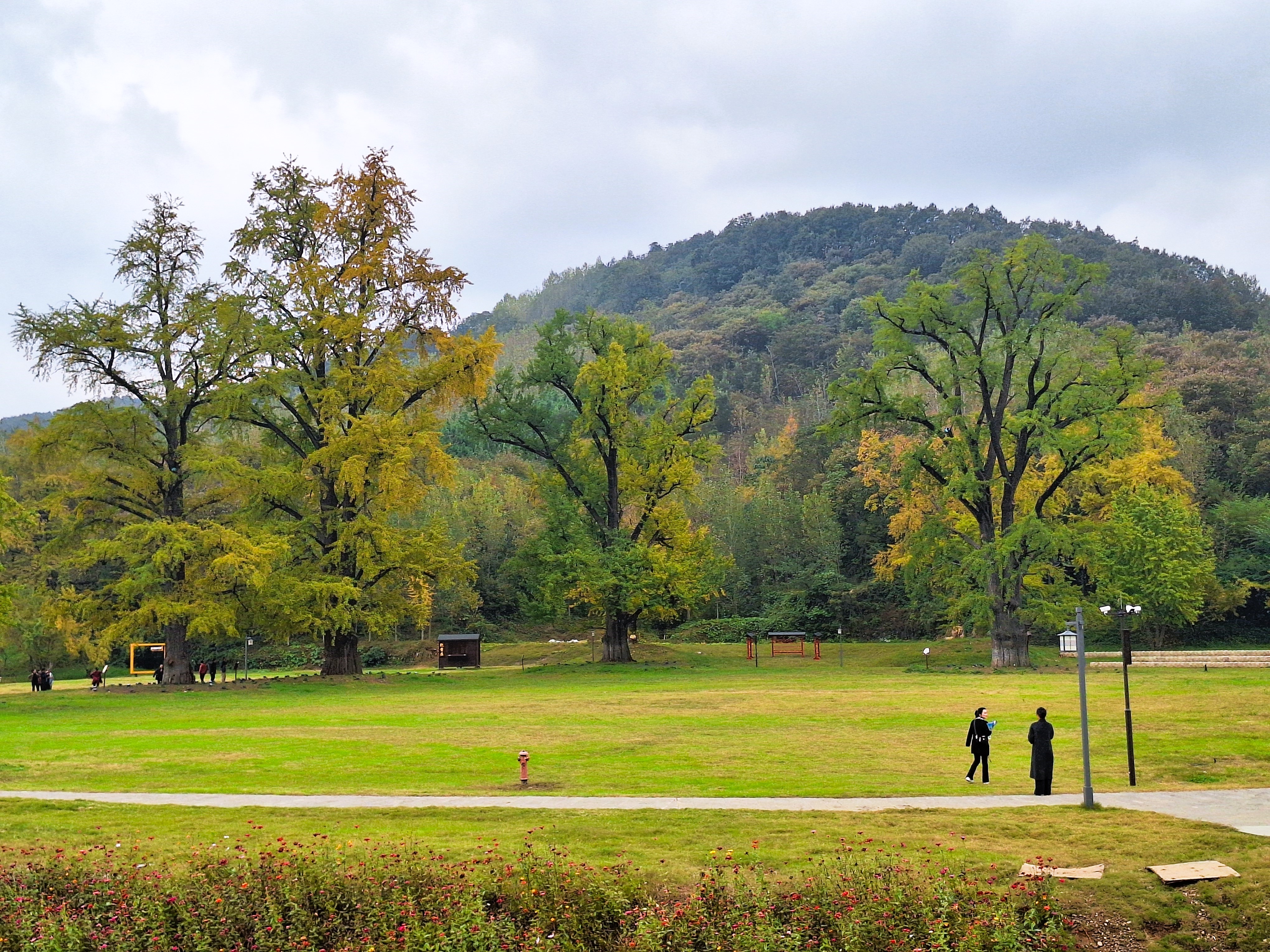
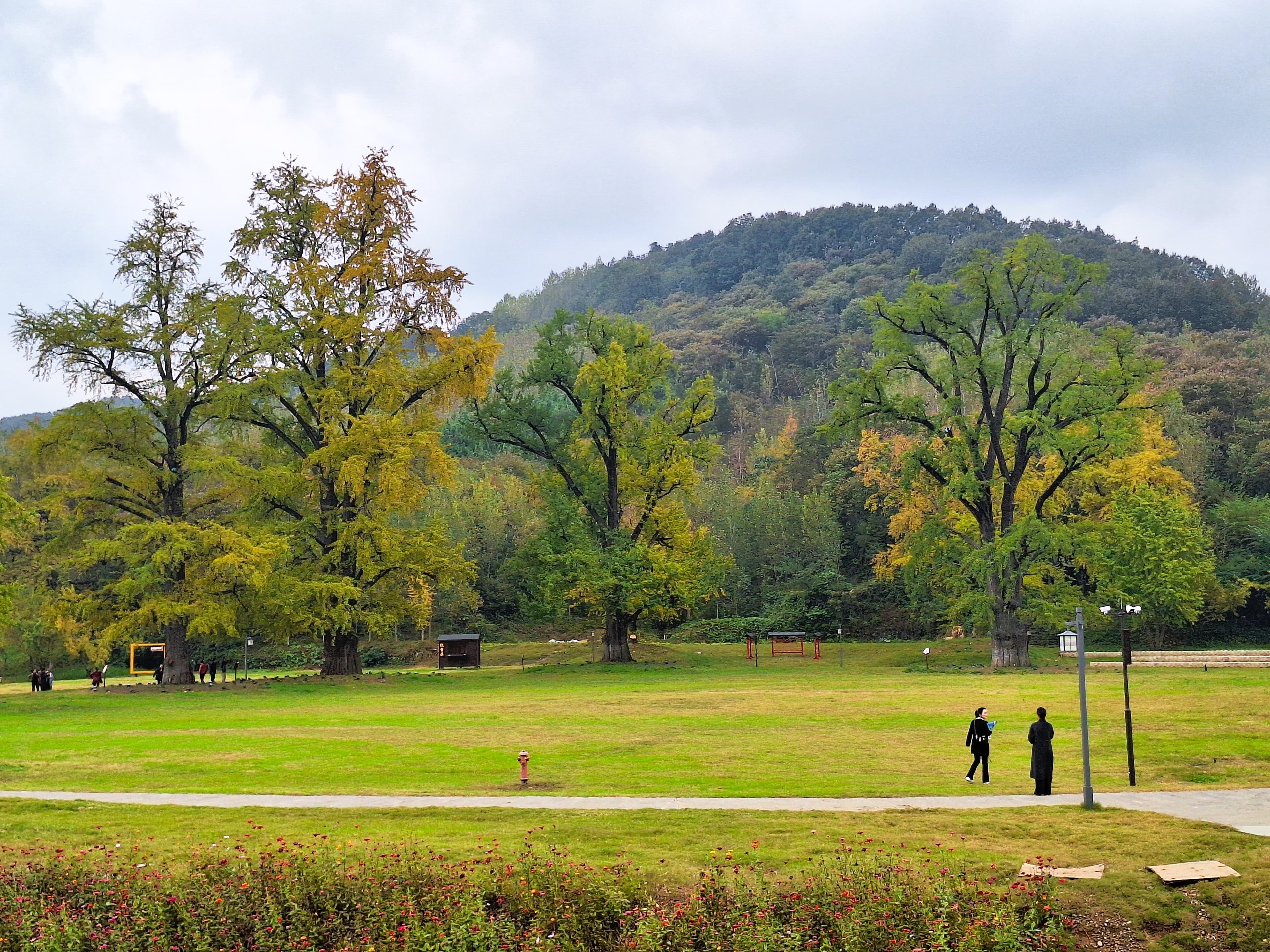
Ancient ginkgo trees in Millennium Ginkgo Valley show the scale and age of one of Suizhou's most distinctive natural landscapes.
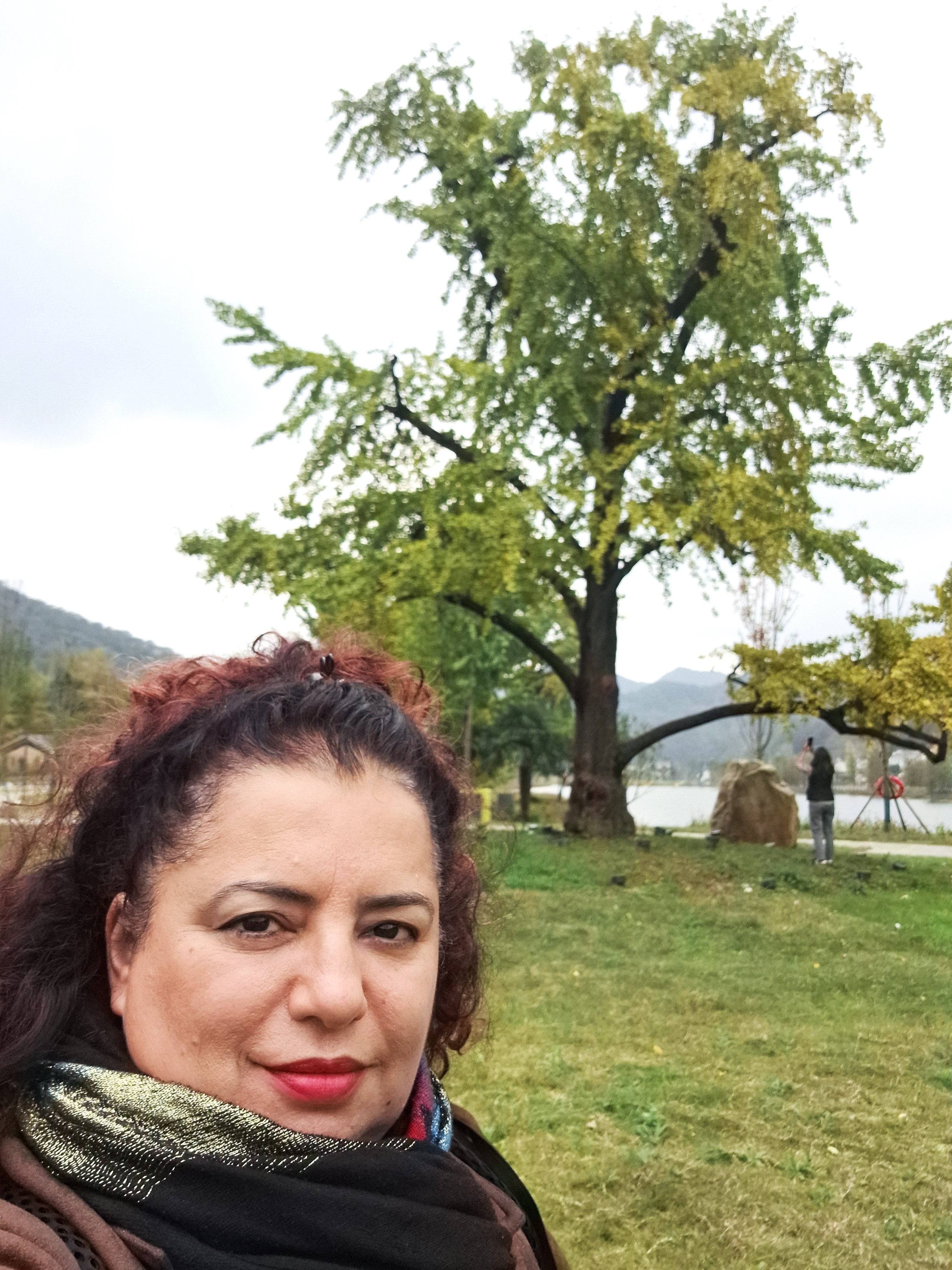
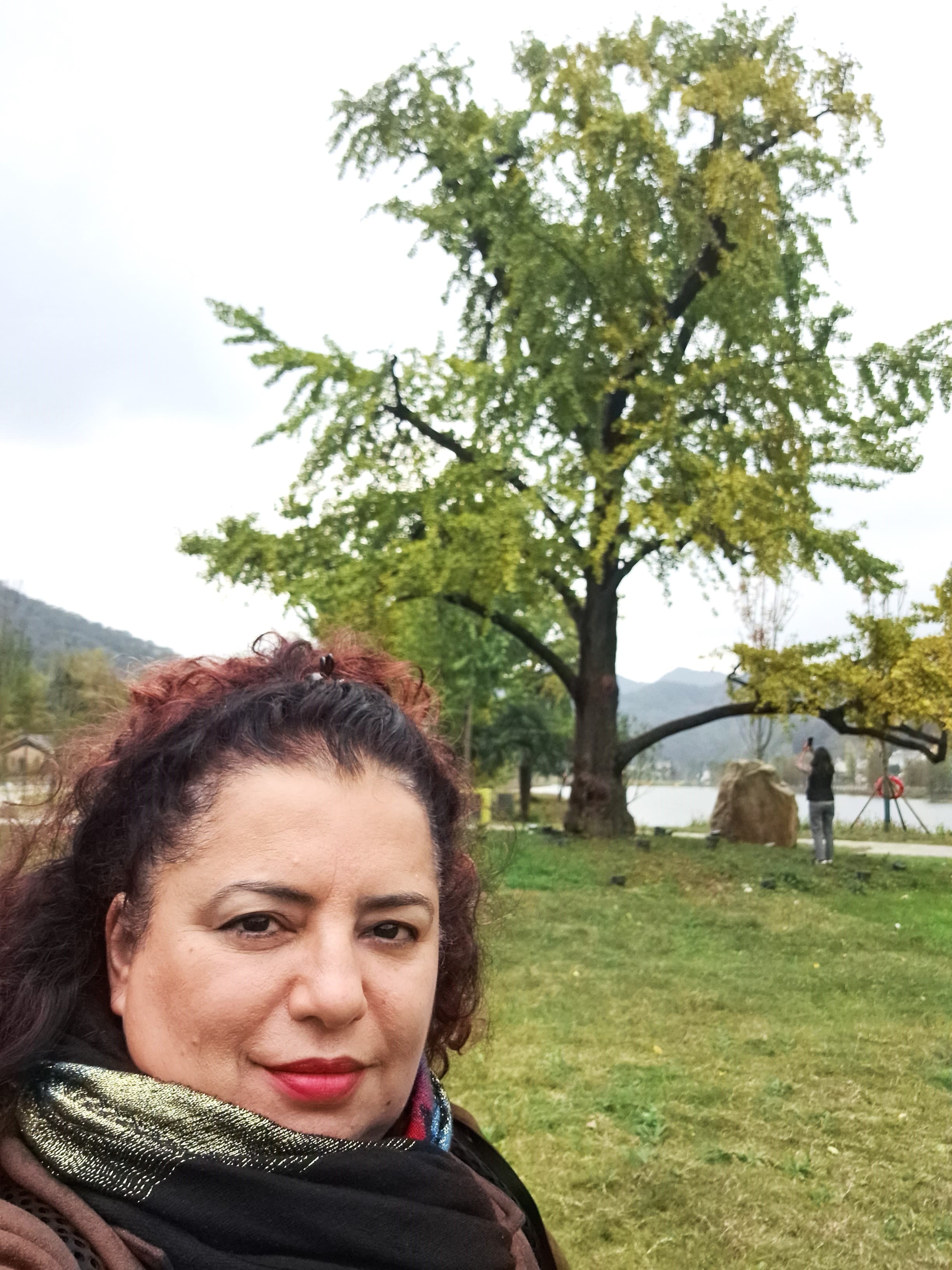
Fiona Vella stands among the ancient ginkgo trees during the Suizhou section of the hosted Hubei programme.
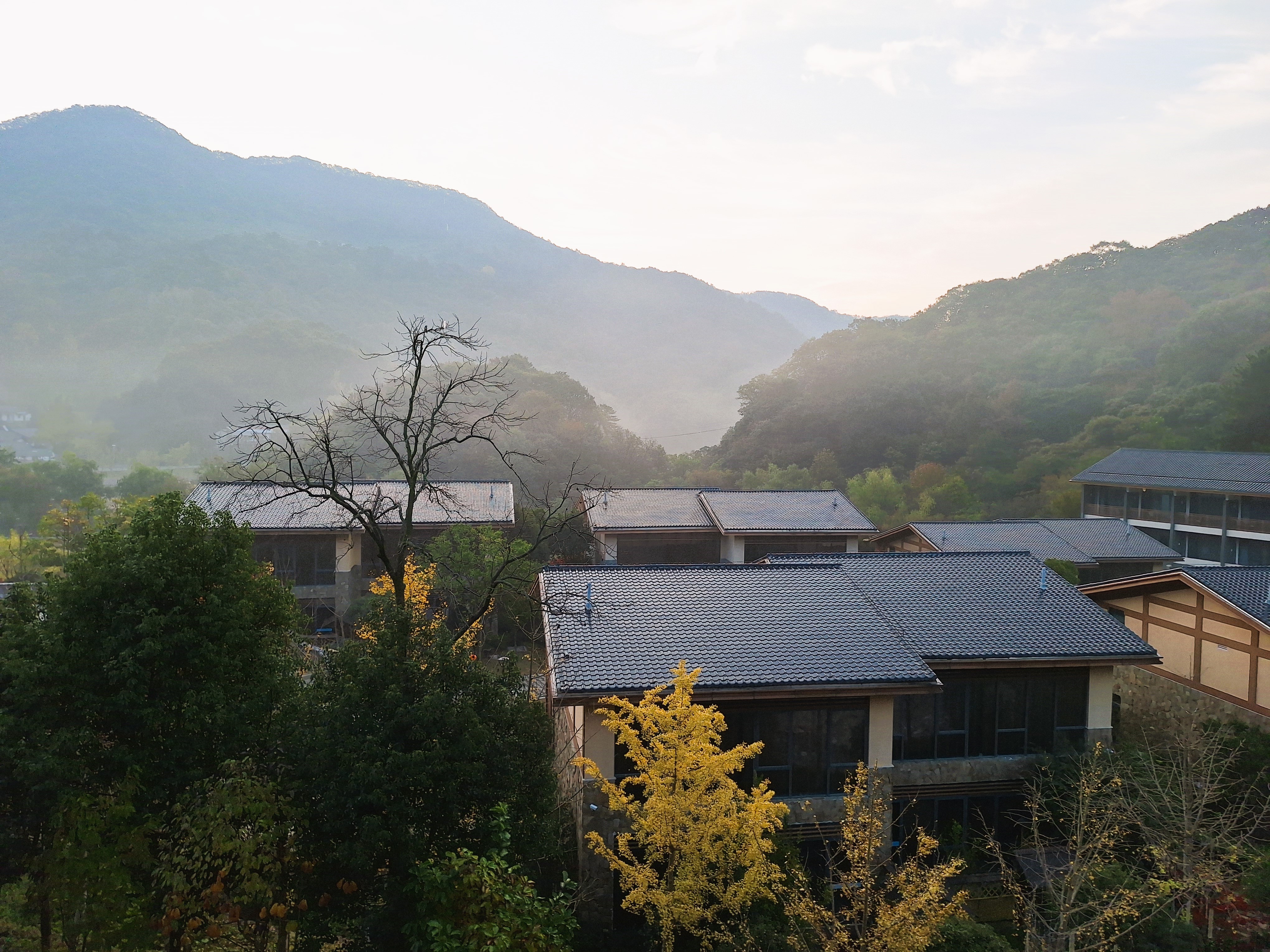
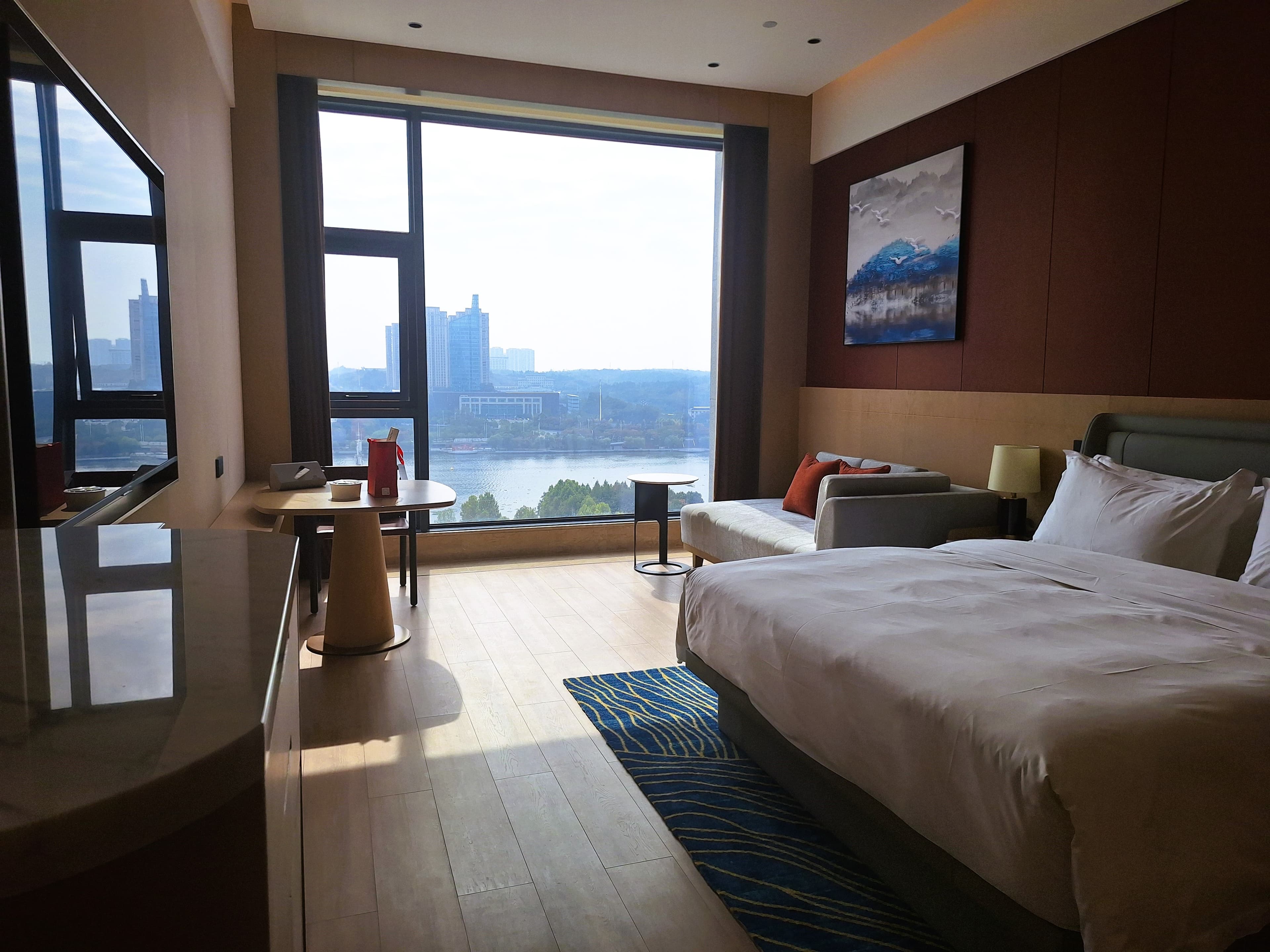
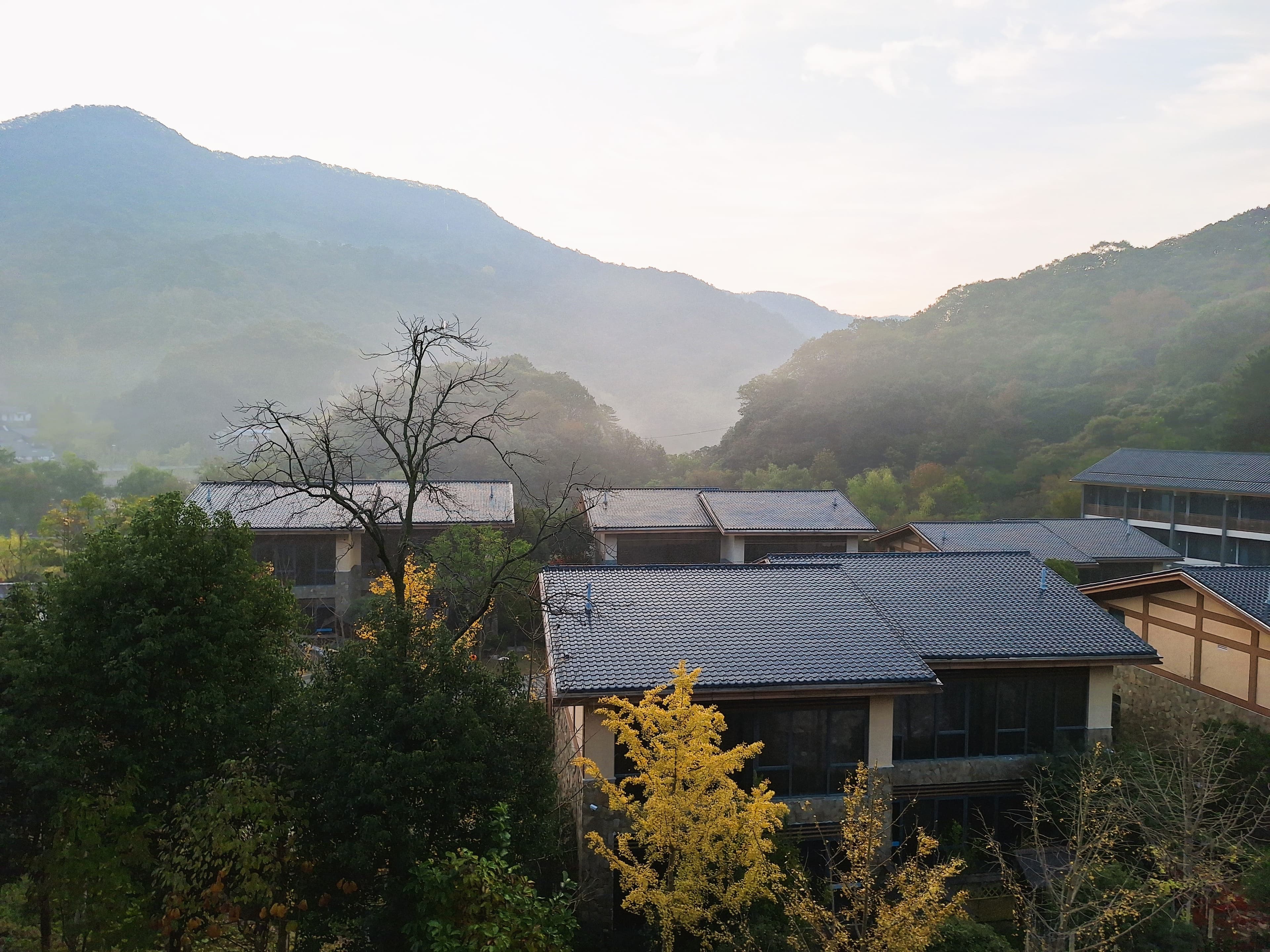
A room view at Suizhou Zizai Valley Hotel looks out toward forested slopes and water features in Dahong Mountain.
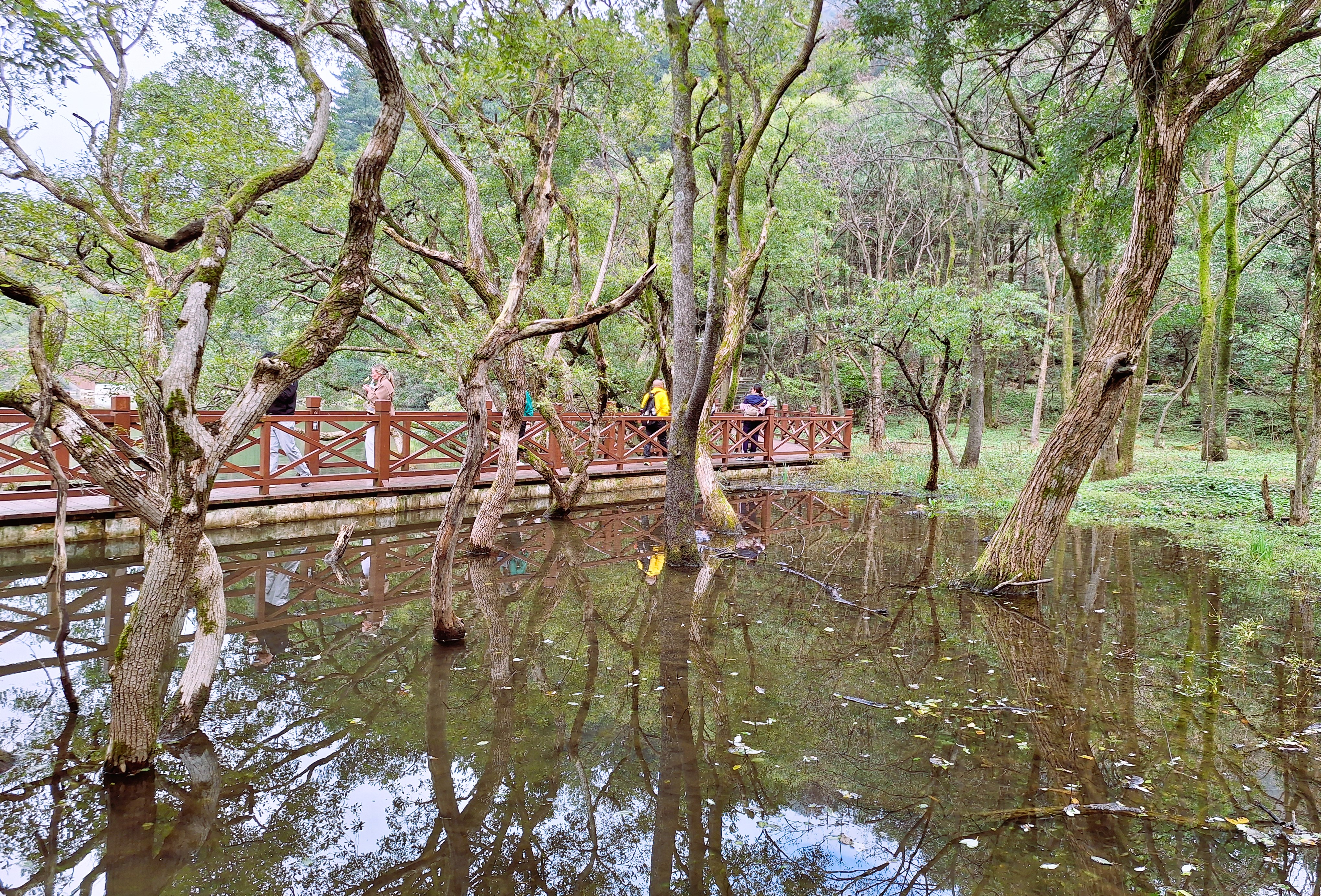
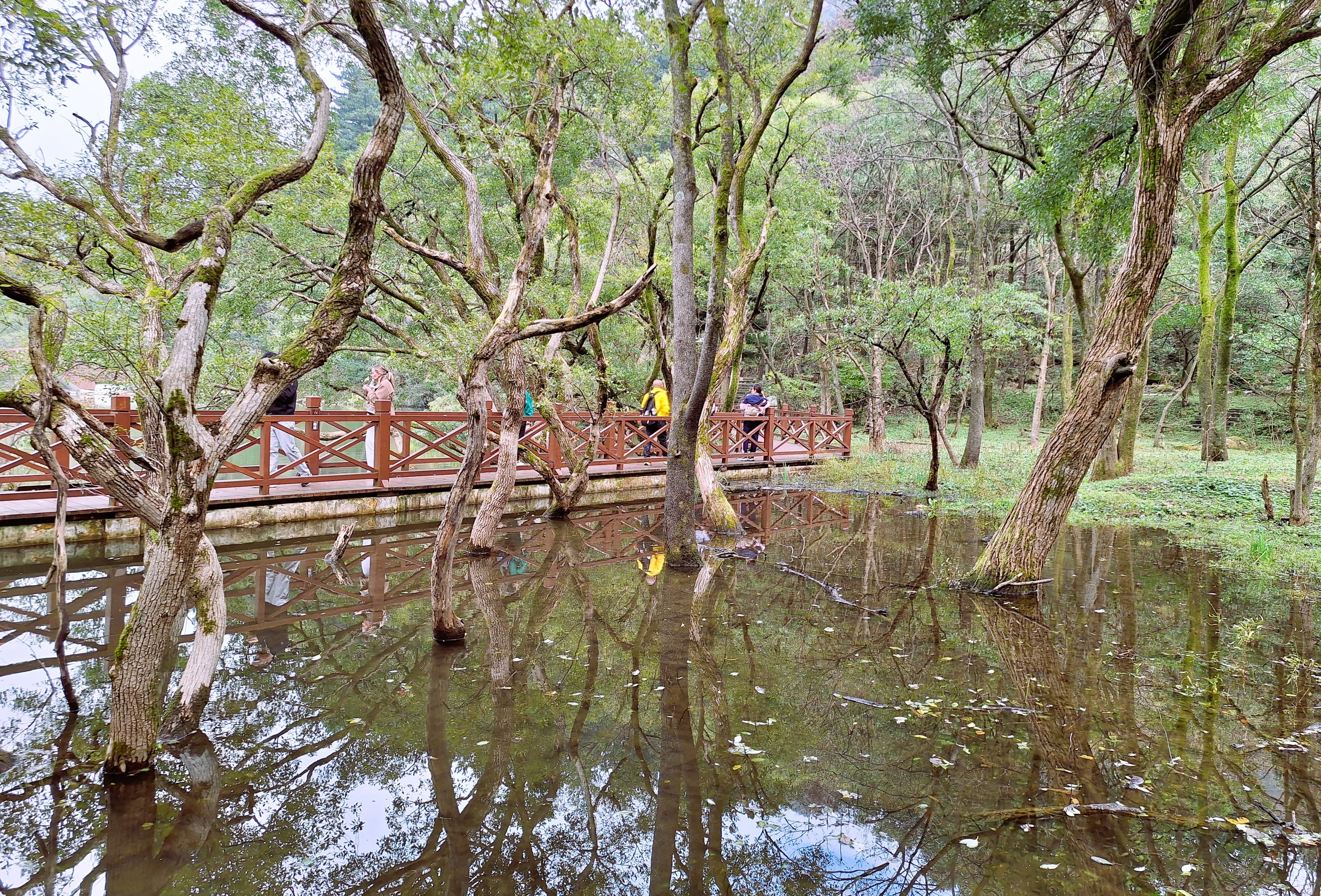
White Dragon Pool in Zengdu District offers a quiet walkway beside water, trees and local legend.
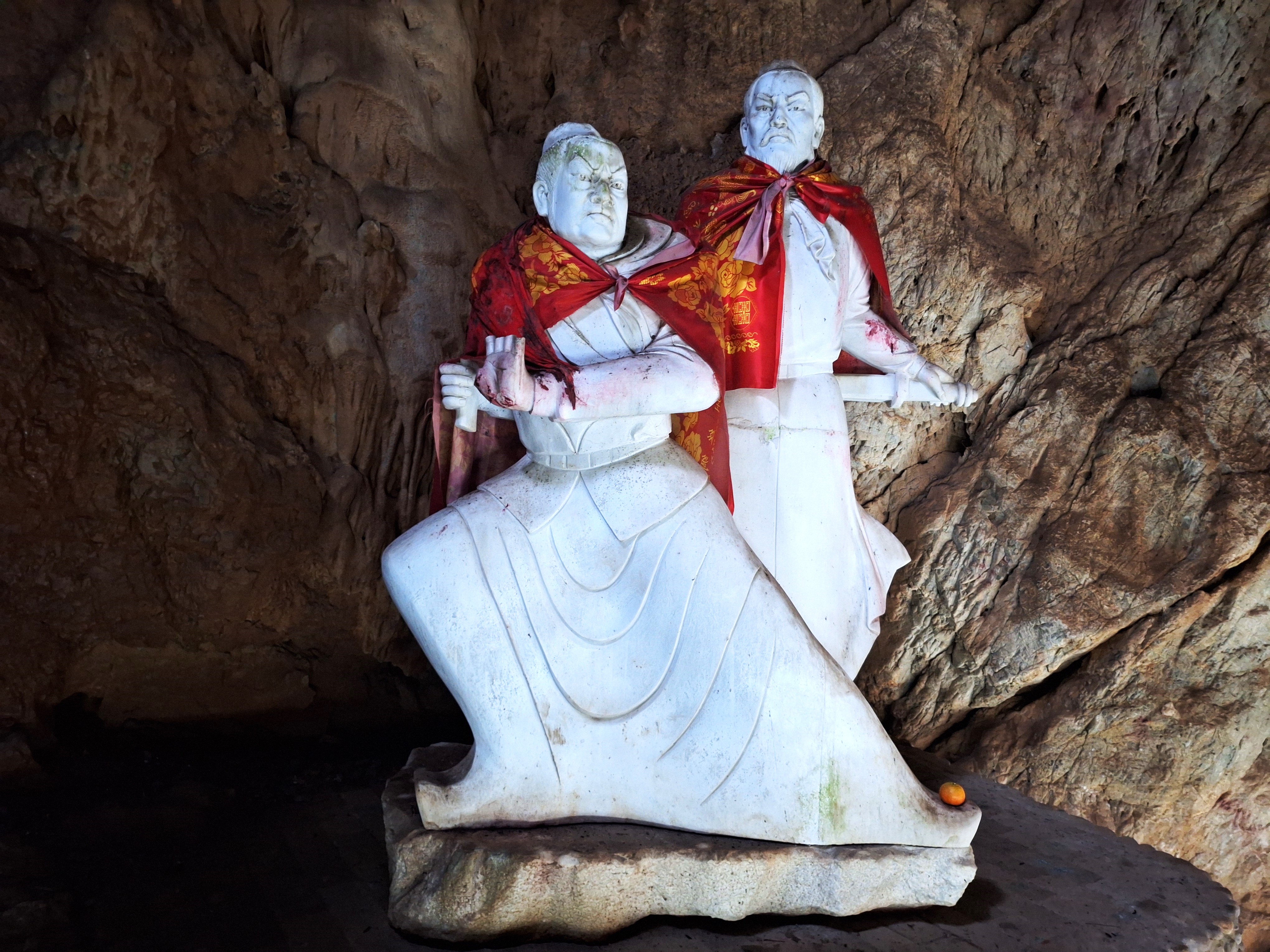
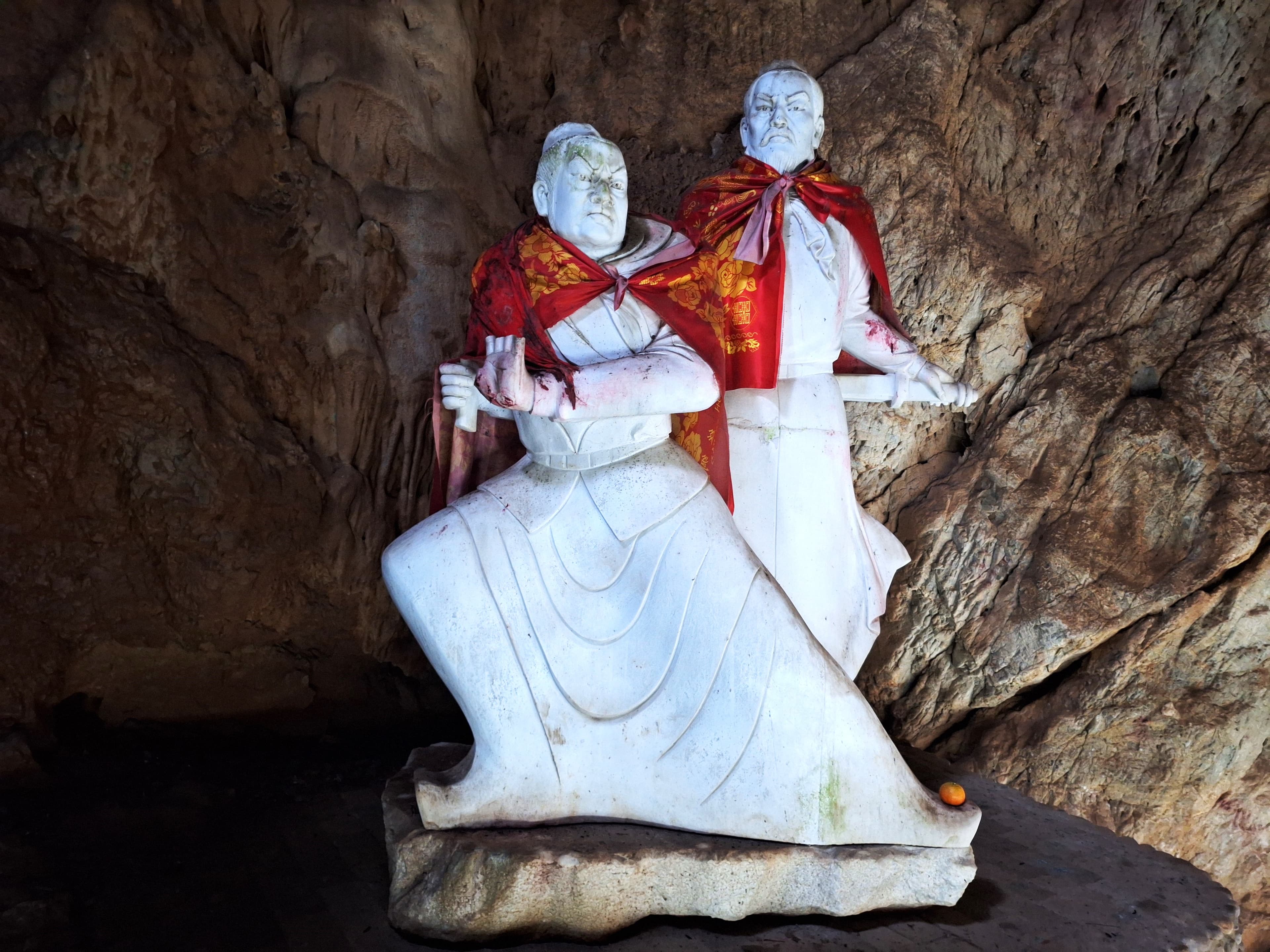
Statues commemorating Wang Kuang and Wang Feng mark the historical associations of Two Kings Cave.
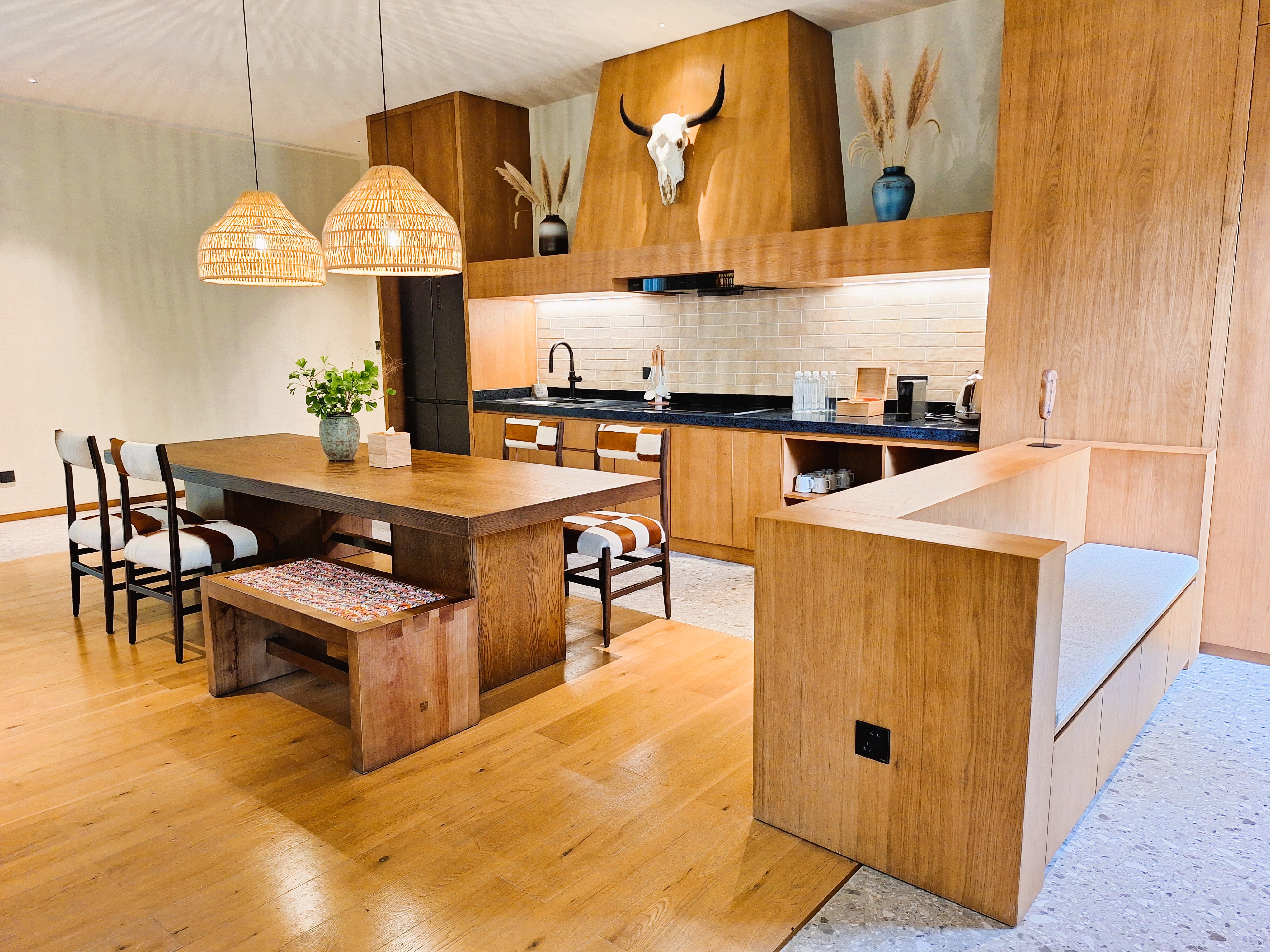
The interior of a forest residence at Naked Home Grand Ginkgo Valley Resort shows natural materials, open layout and large windows.
An ancient ginkgo tree stands in Suizhou's Millennium Ginkgo Valley, setting the article's tone of time, landscape and quiet preservation.
Bronze chime bells at Suizhou Museum introduce the region's connection to the State of Zeng, music, ritual and early Chinese political life.
The monumental statue of Yan Emperor Shennong stands at the ceremonial heart of the Yan Emperor's Hometown Scenic Area.
A live performance during the Baiyun Lake Night Cruise uses light, water and movement to retell Suizhou's cultural stories.
Tree houses at Naked Home Grand Ginkgo Valley Resort show how the property is integrated into Suizhou's forested landscape.
Lake houses at Naked Home Grand Ginkgo Valley Resort reflect the resort's emphasis on water, nature and quiet contemporary design.
Ancient ginkgo trees in Millennium Ginkgo Valley show the scale and age of one of Suizhou's most distinctive natural landscapes.
Fiona Vella stands among the ancient ginkgo trees during the Suizhou section of the hosted Hubei programme.
A room view at Suizhou Zizai Valley Hotel looks out toward forested slopes and water features in Dahong Mountain.
White Dragon Pool in Zengdu District offers a quiet walkway beside water, trees and local legend.
Statues commemorating Wang Kuang and Wang Feng mark the historical associations of Two Kings Cave.
The interior of a forest residence at Naked Home Grand Ginkgo Valley Resort shows natural materials, open layout and large windows.
An ancient ginkgo tree stands in Suizhou's Millennium Ginkgo Valley, setting the article's tone of time, landscape and quiet preservation.
Bronze chime bells at Suizhou Museum introduce the region's connection to the State of Zeng, music, ritual and early Chinese political life.
The monumental statue of Yan Emperor Shennong stands at the ceremonial heart of the Yan Emperor's Hometown Scenic Area.
A live performance during the Baiyun Lake Night Cruise uses light, water and movement to retell Suizhou's cultural stories.
Tree houses at Naked Home Grand Ginkgo Valley Resort show how the property is integrated into Suizhou's forested landscape.
Lake houses at Naked Home Grand Ginkgo Valley Resort reflect the resort's emphasis on water, nature and quiet contemporary design.
Ancient ginkgo trees in Millennium Ginkgo Valley show the scale and age of one of Suizhou's most distinctive natural landscapes.
Fiona Vella stands among the ancient ginkgo trees during the Suizhou section of the hosted Hubei programme.
A room view at Suizhou Zizai Valley Hotel looks out toward forested slopes and water features in Dahong Mountain.
White Dragon Pool in Zengdu District offers a quiet walkway beside water, trees and local legend.
Statues commemorating Wang Kuang and Wang Feng mark the historical associations of Two Kings Cave.
The interior of a forest residence at Naked Home Grand Ginkgo Valley Resort shows natural materials, open layout and large windows.
An ancient ginkgo tree stands in Suizhou's Millennium Ginkgo Valley, setting the article's tone of time, landscape and quiet preservation.
Bronze chime bells at Suizhou Museum introduce the region's connection to the State of Zeng, music, ritual and early Chinese political life.
The monumental statue of Yan Emperor Shennong stands at the ceremonial heart of the Yan Emperor's Hometown Scenic Area.
A live performance during the Baiyun Lake Night Cruise uses light, water and movement to retell Suizhou's cultural stories.
Tree houses at Naked Home Grand Ginkgo Valley Resort show how the property is integrated into Suizhou's forested landscape.
Lake houses at Naked Home Grand Ginkgo Valley Resort reflect the resort's emphasis on water, nature and quiet contemporary design.
Ancient ginkgo trees in Millennium Ginkgo Valley show the scale and age of one of Suizhou's most distinctive natural landscapes.
Fiona Vella stands among the ancient ginkgo trees during the Suizhou section of the hosted Hubei programme.
A room view at Suizhou Zizai Valley Hotel looks out toward forested slopes and water features in Dahong Mountain.
White Dragon Pool in Zengdu District offers a quiet walkway beside water, trees and local legend.
Statues commemorating Wang Kuang and Wang Feng mark the historical associations of Two Kings Cave.
The interior of a forest residence at Naked Home Grand Ginkgo Valley Resort shows natural materials, open layout and large windows.
An ancient ginkgo tree stands in Suizhou's Millennium Ginkgo Valley, setting the article's tone of time, landscape and quiet preservation.
Bronze chime bells at Suizhou Museum introduce the region's connection to the State of Zeng, music, ritual and early Chinese political life.
The monumental statue of Yan Emperor Shennong stands at the ceremonial heart of the Yan Emperor's Hometown Scenic Area.
A live performance during the Baiyun Lake Night Cruise uses light, water and movement to retell Suizhou's cultural stories.
Tree houses at Naked Home Grand Ginkgo Valley Resort show how the property is integrated into Suizhou's forested landscape.
Lake houses at Naked Home Grand Ginkgo Valley Resort reflect the resort's emphasis on water, nature and quiet contemporary design.
Ancient ginkgo trees in Millennium Ginkgo Valley show the scale and age of one of Suizhou's most distinctive natural landscapes.
Fiona Vella stands among the ancient ginkgo trees during the Suizhou section of the hosted Hubei programme.
A room view at Suizhou Zizai Valley Hotel looks out toward forested slopes and water features in Dahong Mountain.
White Dragon Pool in Zengdu District offers a quiet walkway beside water, trees and local legend.
Statues commemorating Wang Kuang and Wang Feng mark the historical associations of Two Kings Cave.
The interior of a forest residence at Naked Home Grand Ginkgo Valley Resort shows natural materials, open layout and large windows.
An ancient ginkgo tree stands in Suizhou's Millennium Ginkgo Valley, setting the article's tone of time, landscape and quiet preservation.
Bronze chime bells at Suizhou Museum introduce the region's connection to the State of Zeng, music, ritual and early Chinese political life.
The monumental statue of Yan Emperor Shennong stands at the ceremonial heart of the Yan Emperor's Hometown Scenic Area.
A live performance during the Baiyun Lake Night Cruise uses light, water and movement to retell Suizhou's cultural stories.
Tree houses at Naked Home Grand Ginkgo Valley Resort show how the property is integrated into Suizhou's forested landscape.
Lake houses at Naked Home Grand Ginkgo Valley Resort reflect the resort's emphasis on water, nature and quiet contemporary design.
Ancient ginkgo trees in Millennium Ginkgo Valley show the scale and age of one of Suizhou's most distinctive natural landscapes.
Fiona Vella stands among the ancient ginkgo trees during the Suizhou section of the hosted Hubei programme.
A room view at Suizhou Zizai Valley Hotel looks out toward forested slopes and water features in Dahong Mountain.
White Dragon Pool in Zengdu District offers a quiet walkway beside water, trees and local legend.
Statues commemorating Wang Kuang and Wang Feng mark the historical associations of Two Kings Cave.
The interior of a forest residence at Naked Home Grand Ginkgo Valley Resort shows natural materials, open layout and large windows.
An ancient ginkgo tree stands in Suizhou's Millennium Ginkgo Valley, setting the article's tone of time, landscape and quiet preservation.
Bronze chime bells at Suizhou Museum introduce the region's connection to the State of Zeng, music, ritual and early Chinese political life.
The monumental statue of Yan Emperor Shennong stands at the ceremonial heart of the Yan Emperor's Hometown Scenic Area.
A live performance during the Baiyun Lake Night Cruise uses light, water and movement to retell Suizhou's cultural stories.
Tree houses at Naked Home Grand Ginkgo Valley Resort show how the property is integrated into Suizhou's forested landscape.
Lake houses at Naked Home Grand Ginkgo Valley Resort reflect the resort's emphasis on water, nature and quiet contemporary design.
Ancient ginkgo trees in Millennium Ginkgo Valley show the scale and age of one of Suizhou's most distinctive natural landscapes.
Fiona Vella stands among the ancient ginkgo trees during the Suizhou section of the hosted Hubei programme.
A room view at Suizhou Zizai Valley Hotel looks out toward forested slopes and water features in Dahong Mountain.
White Dragon Pool in Zengdu District offers a quiet walkway beside water, trees and local legend.
Statues commemorating Wang Kuang and Wang Feng mark the historical associations of Two Kings Cave.
The interior of a forest residence at Naked Home Grand Ginkgo Valley Resort shows natural materials, open layout and large windows.
An ancient ginkgo tree stands in Suizhou's Millennium Ginkgo Valley, setting the article's tone of time, landscape and quiet preservation.
Bronze chime bells at Suizhou Museum introduce the region's connection to the State of Zeng, music, ritual and early Chinese political life.
The monumental statue of Yan Emperor Shennong stands at the ceremonial heart of the Yan Emperor's Hometown Scenic Area.
A live performance during the Baiyun Lake Night Cruise uses light, water and movement to retell Suizhou's cultural stories.
Tree houses at Naked Home Grand Ginkgo Valley Resort show how the property is integrated into Suizhou's forested landscape.
Lake houses at Naked Home Grand Ginkgo Valley Resort reflect the resort's emphasis on water, nature and quiet contemporary design.
Ancient ginkgo trees in Millennium Ginkgo Valley show the scale and age of one of Suizhou's most distinctive natural landscapes.
Fiona Vella stands among the ancient ginkgo trees during the Suizhou section of the hosted Hubei programme.
A room view at Suizhou Zizai Valley Hotel looks out toward forested slopes and water features in Dahong Mountain.
White Dragon Pool in Zengdu District offers a quiet walkway beside water, trees and local legend.
Statues commemorating Wang Kuang and Wang Feng mark the historical associations of Two Kings Cave.
The interior of a forest residence at Naked Home Grand Ginkgo Valley Resort shows natural materials, open layout and large windows.
Intro Note
Arrival in Suizhou
First Impressions and Suizhou Museum
Yan Emperor Heritage and Baiyun Lake
Grand Ginkgo Valley

Zizai Valley and Dahong Mountain
White Dragon Pool and Two Kings Cave