Shiyan Feels Suspended Between Myth and Modern China: Fiona's Story
Shiyan unfolds through Wudang Mountain, Tai Chi rituals, Taoist temples, turquoise markets, rammed-earth towns and rice wine traditions, revealing a side of Hubei shaped by both ancient belief and contemporary cultural life.
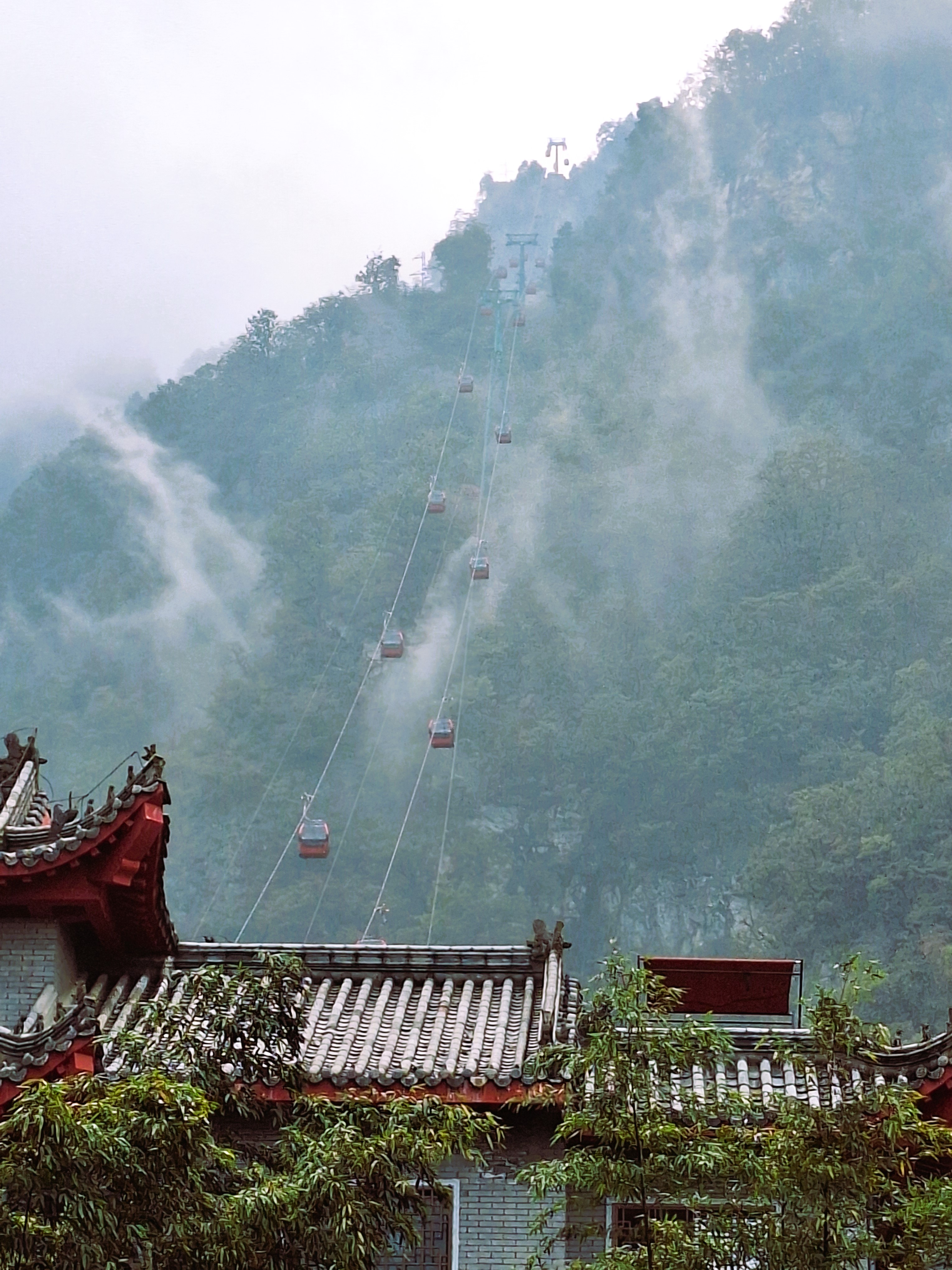
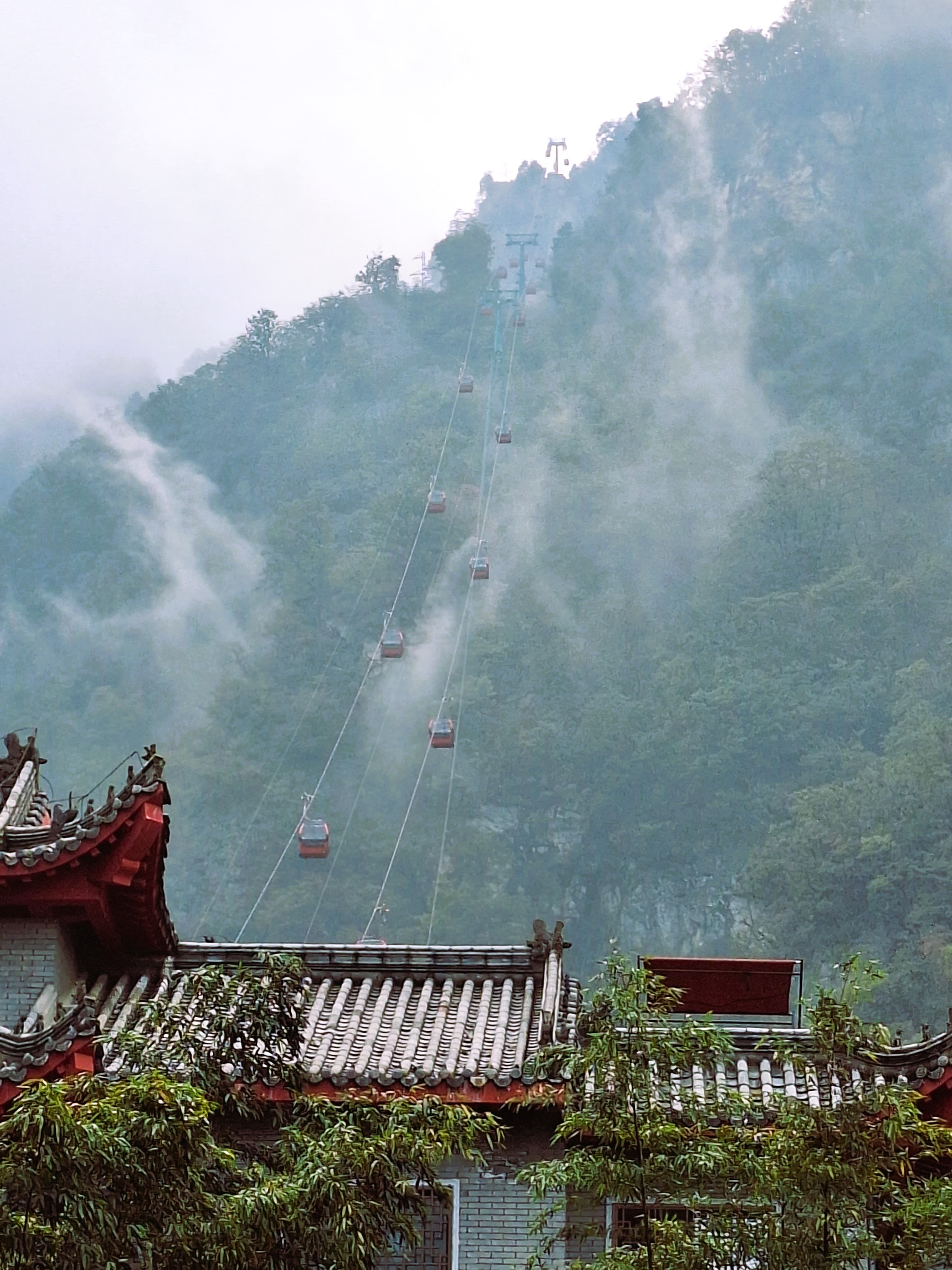
Cable cars travel through misty mountain scenery at Wudang Mountain, capturing the atmospheric ascent toward the summit.
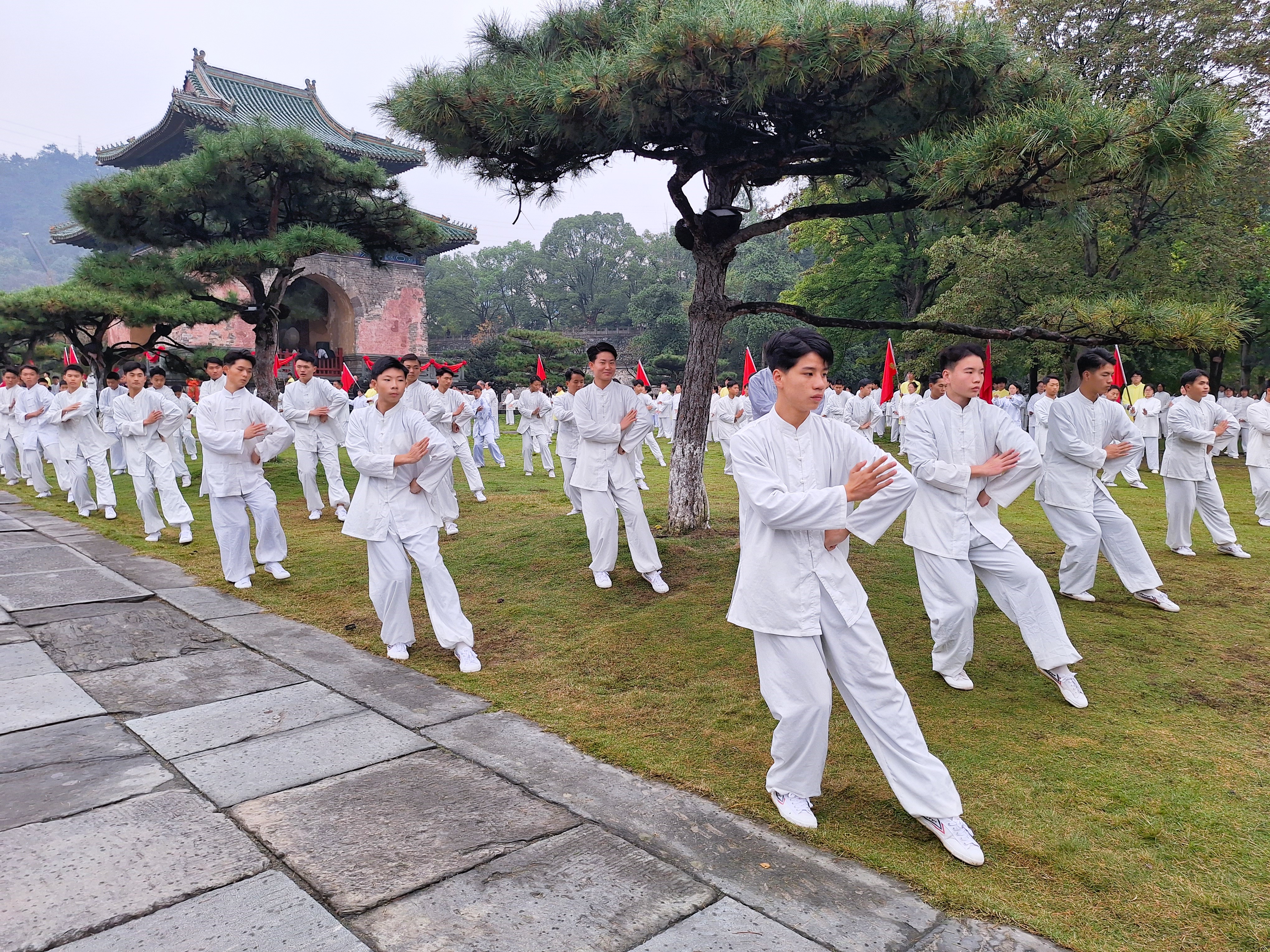
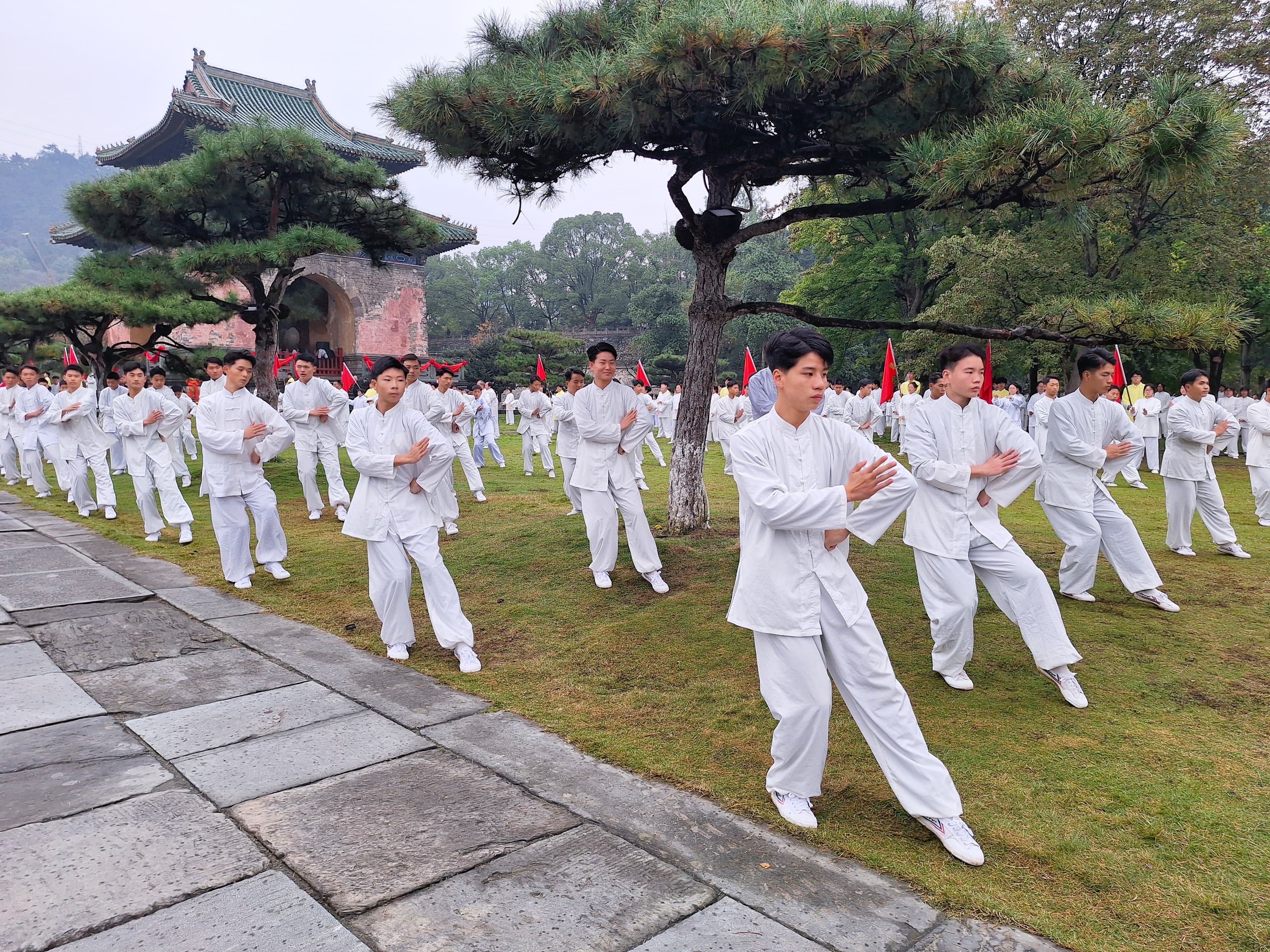
Young Tai Chi performers practise in formation at Yuxu Palace, surrounded by Wudang's historic architecture.
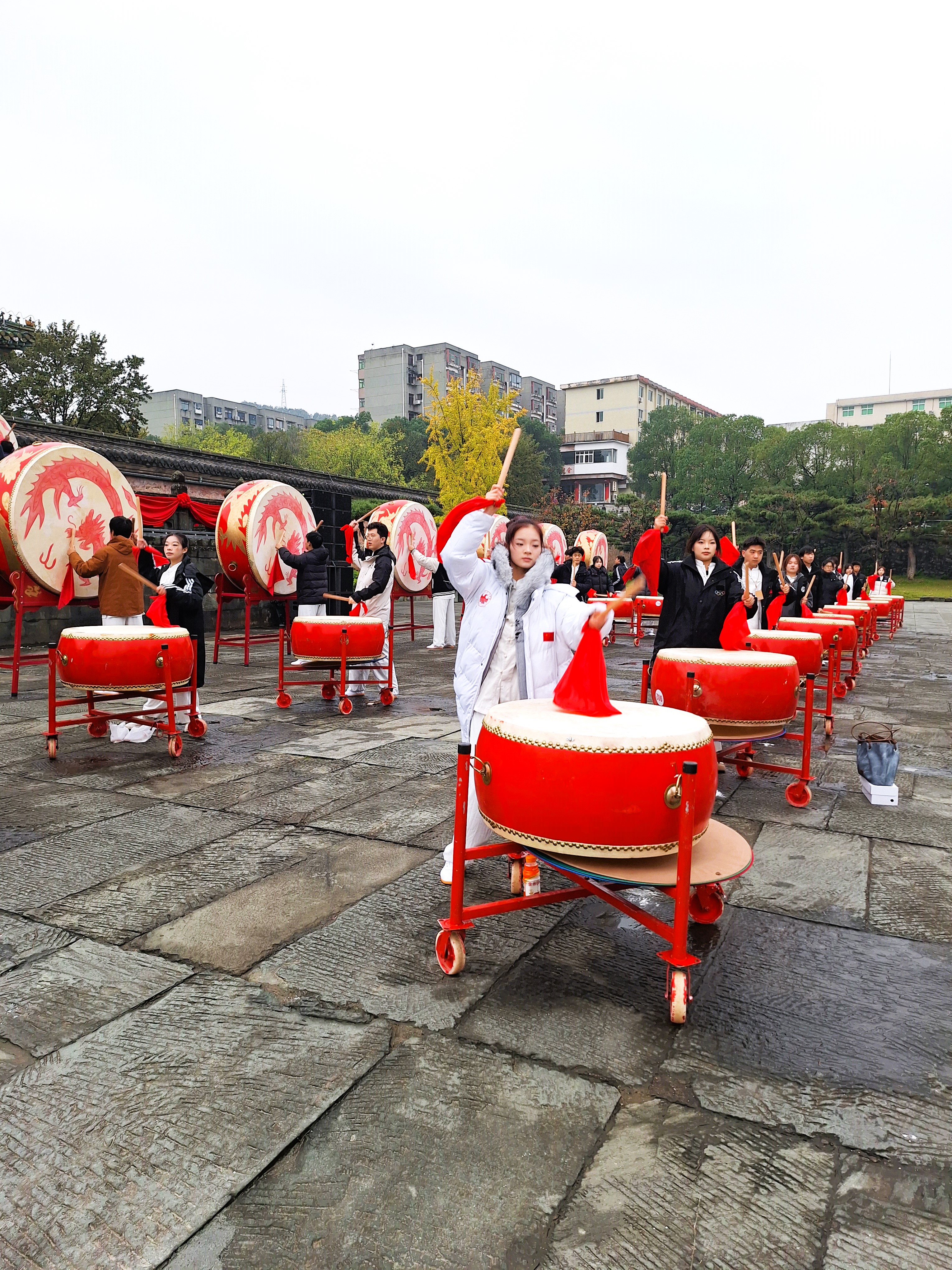
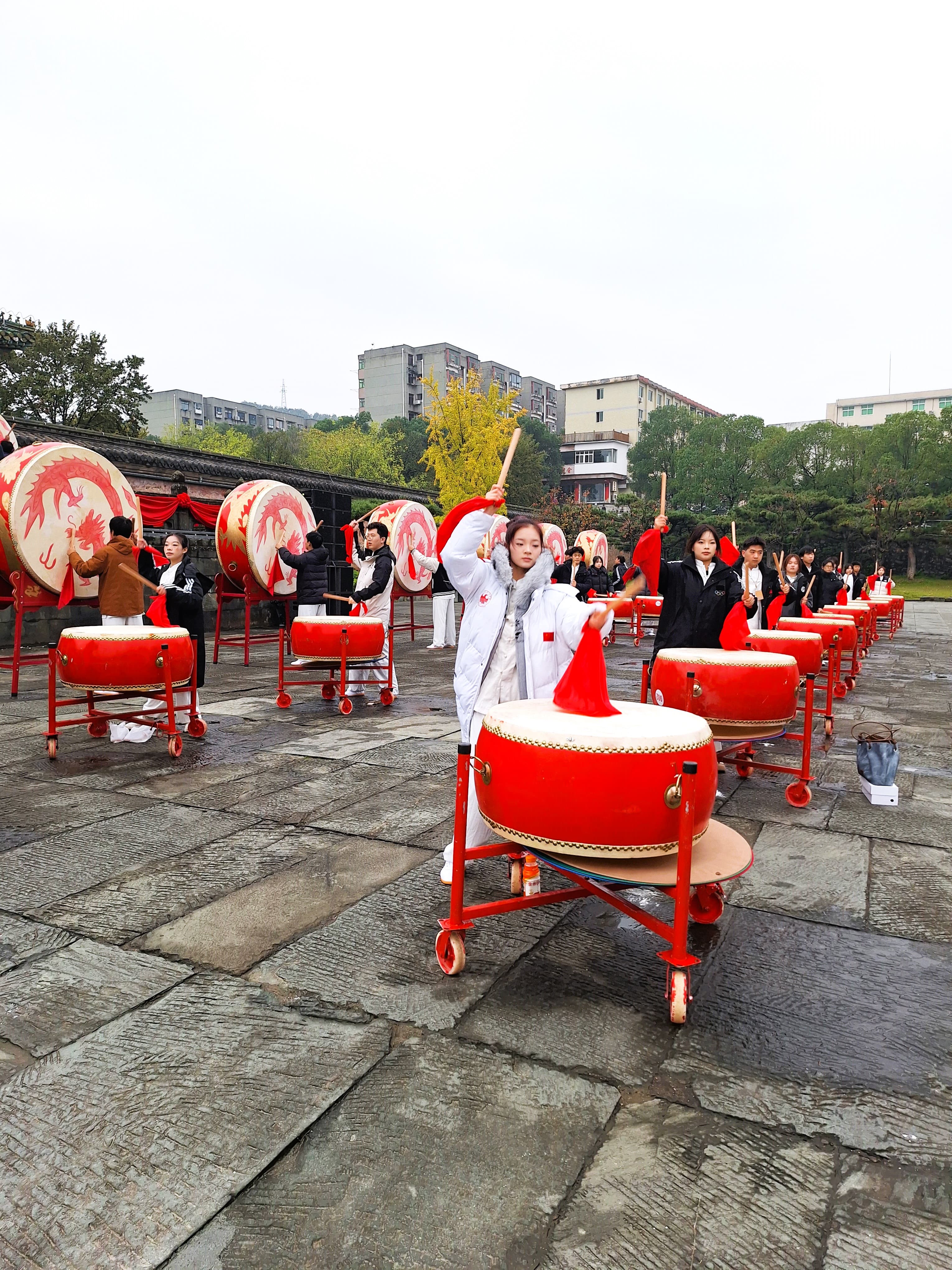
Young performers strike large drums in the courtyard of Yuxu Palace during the opening ceremony.
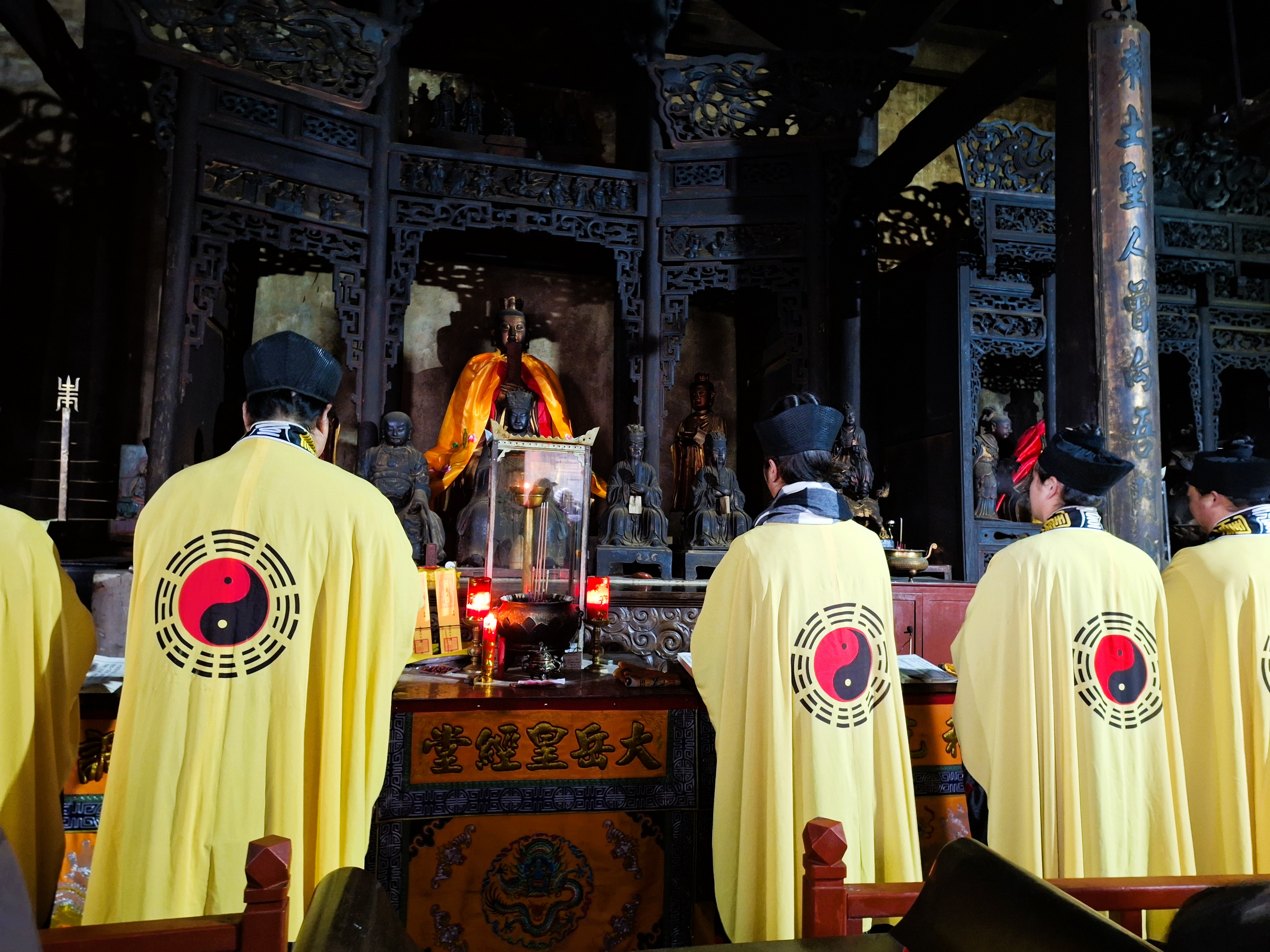
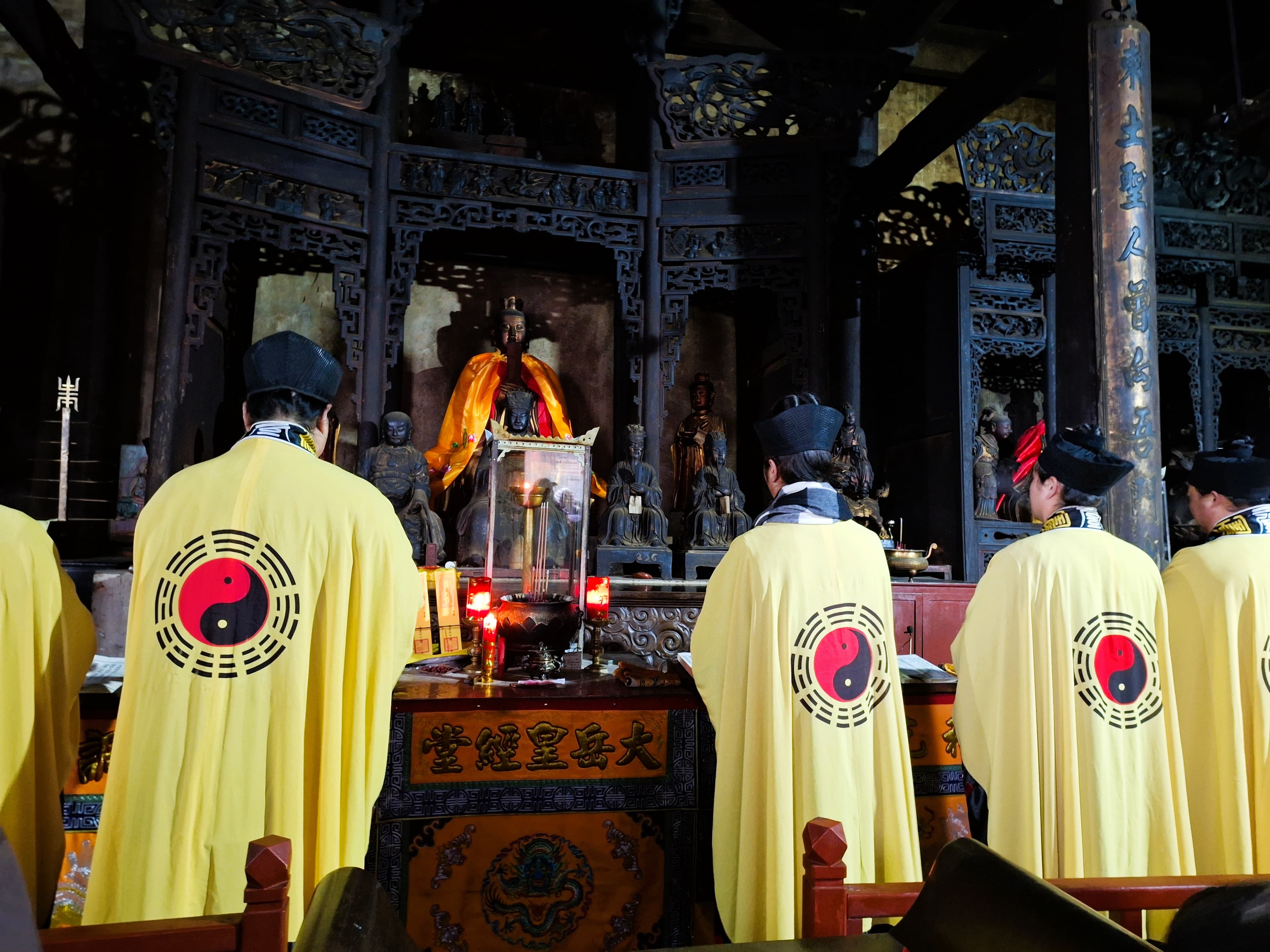
A temple interior at Wudang Mountain shows visitors and attendants gathered around a central shrine.
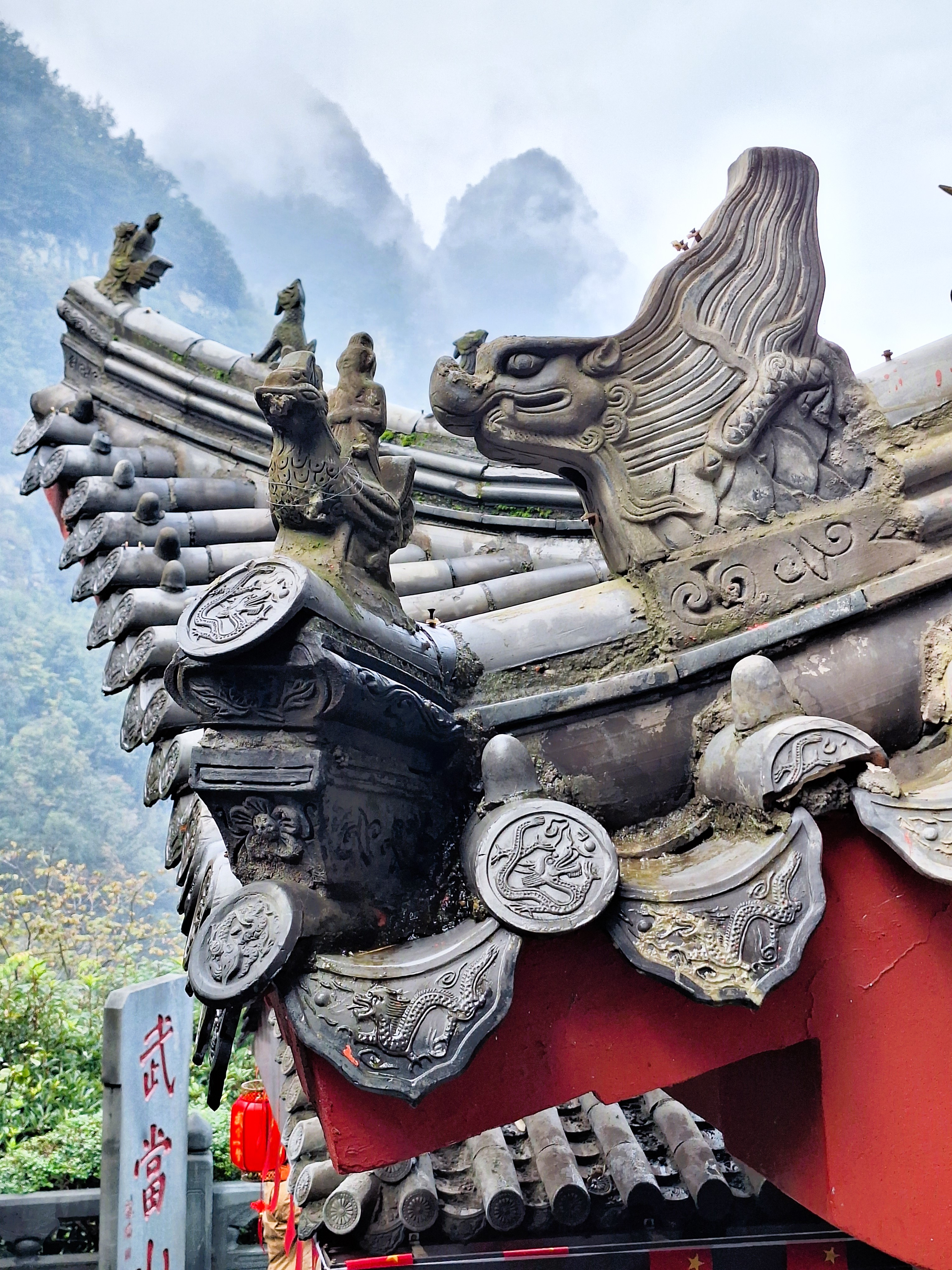
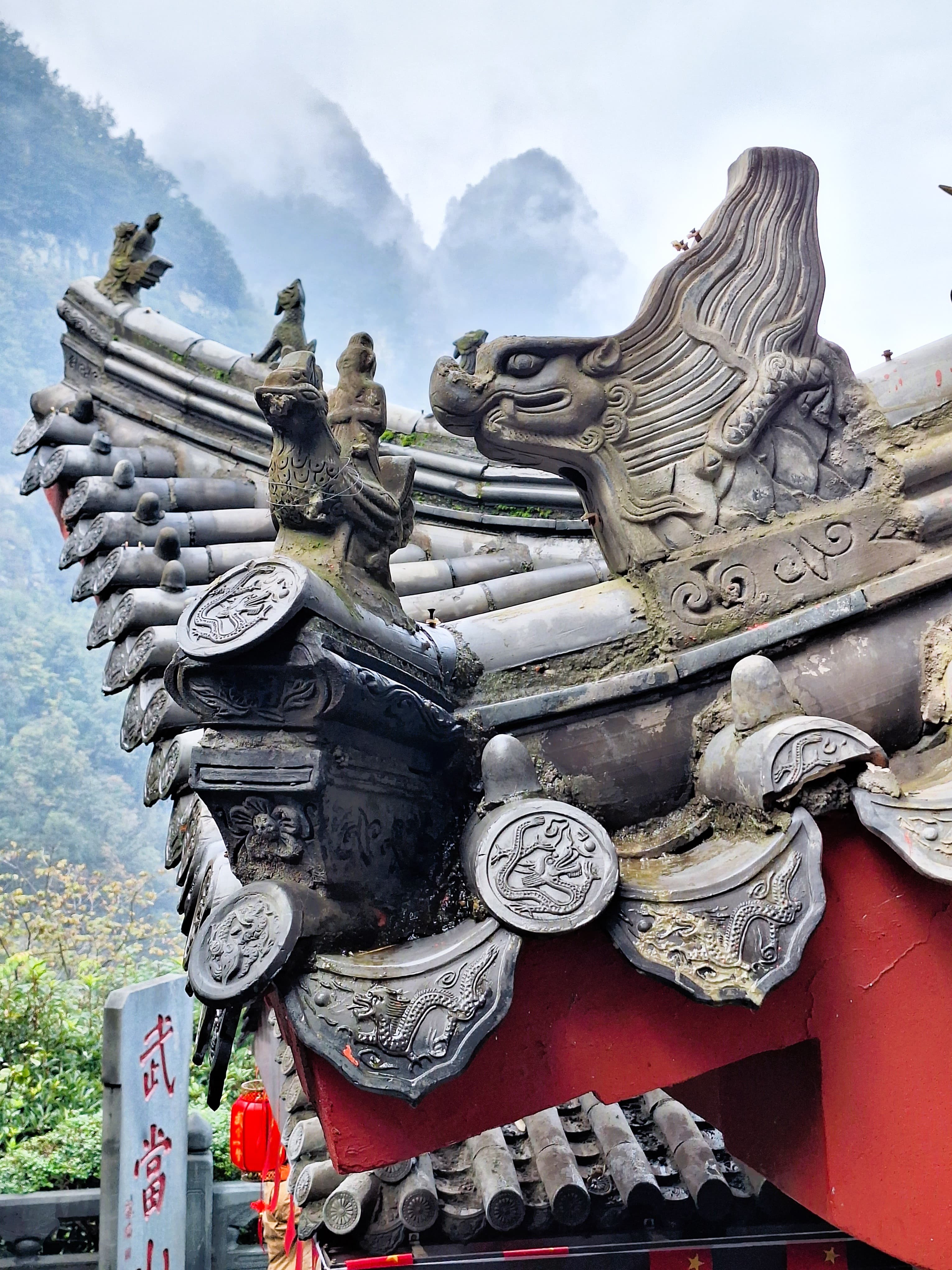
A close detail of Wudang Mountain architecture reveals carved roof ornaments and traditional decorative craft.
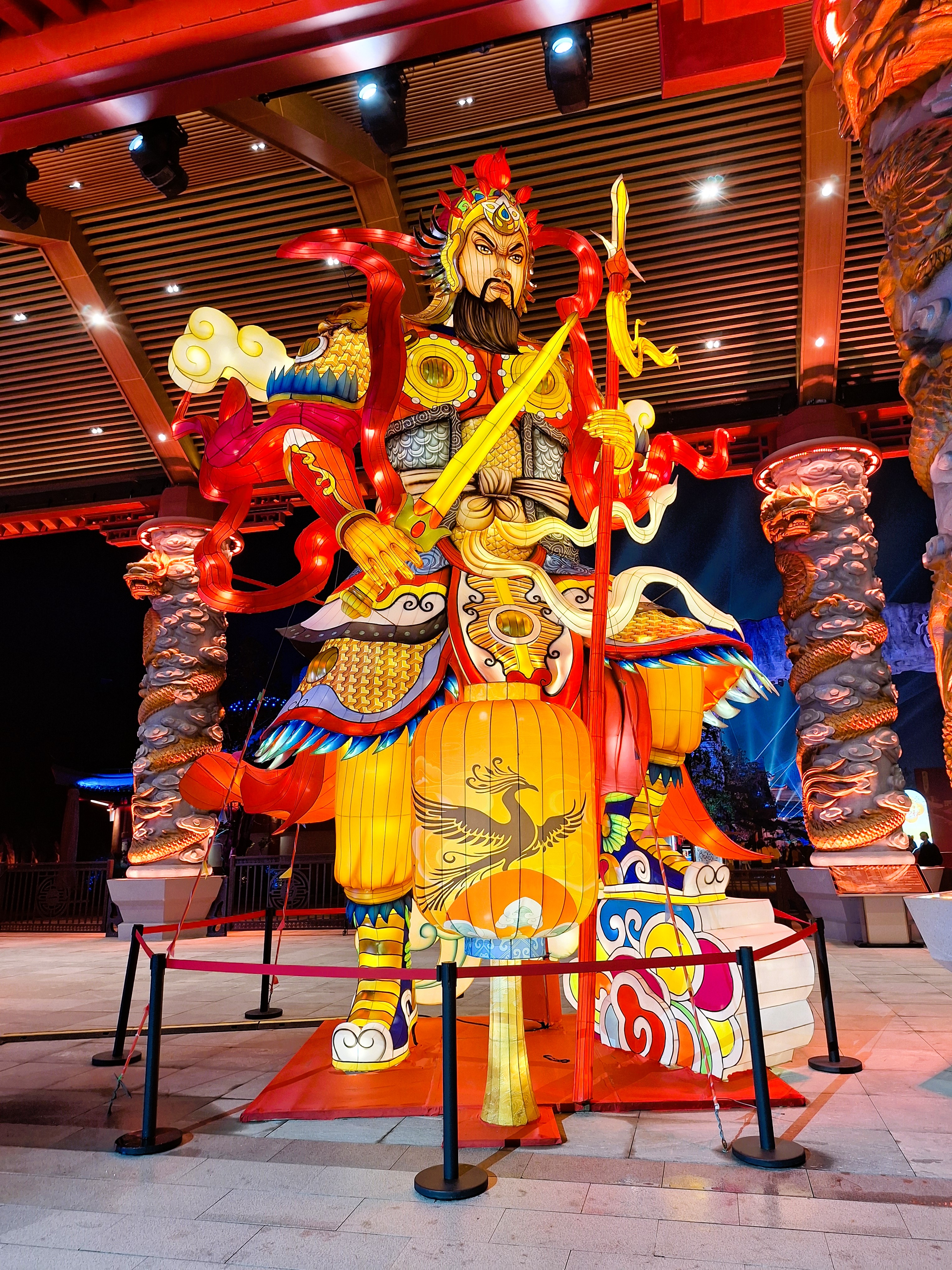
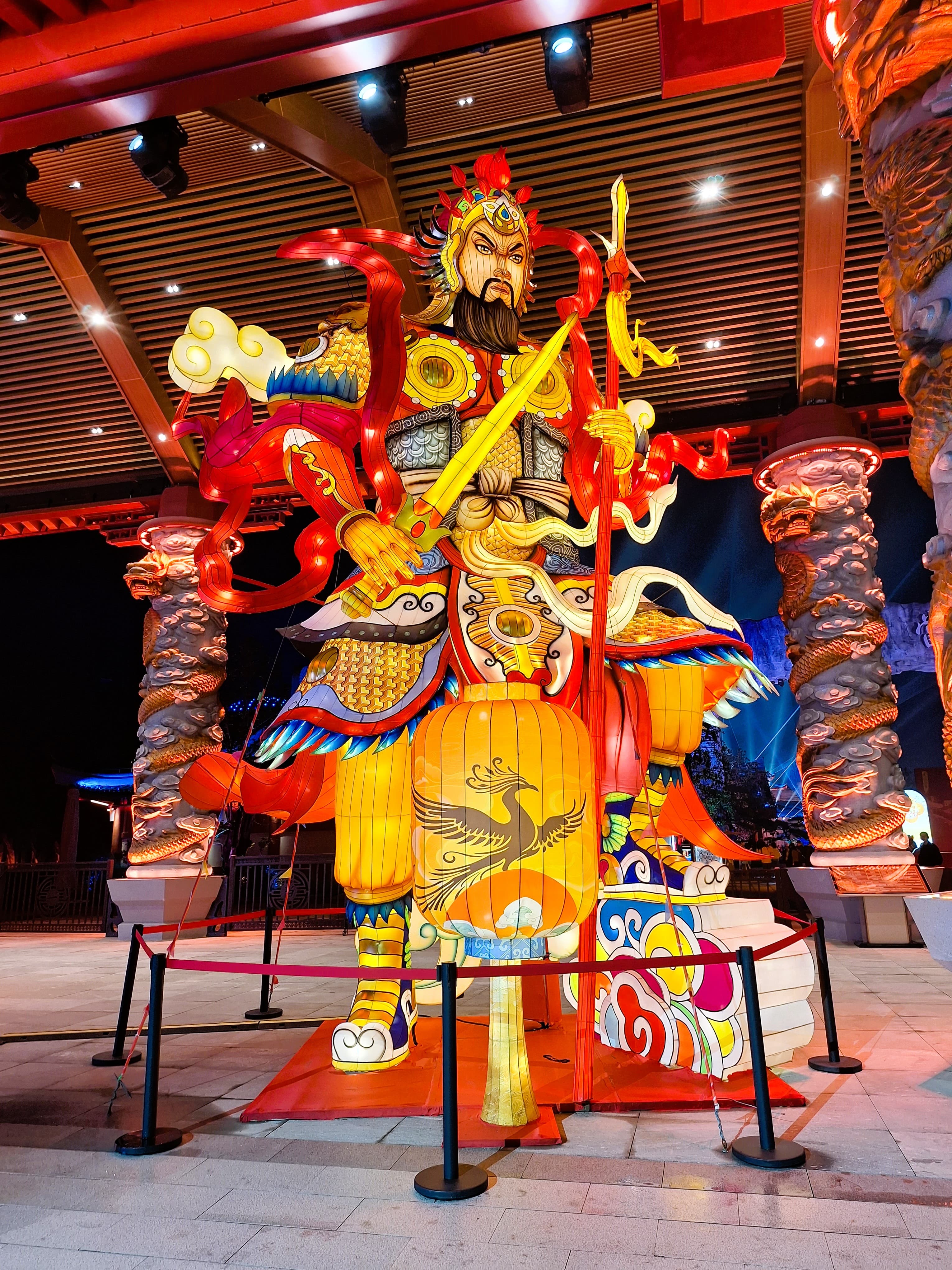
A colourful stage scene at Wudang Dream Park uses costume, lighting and theatrical design to bring Wudang culture to life.
.jpg)
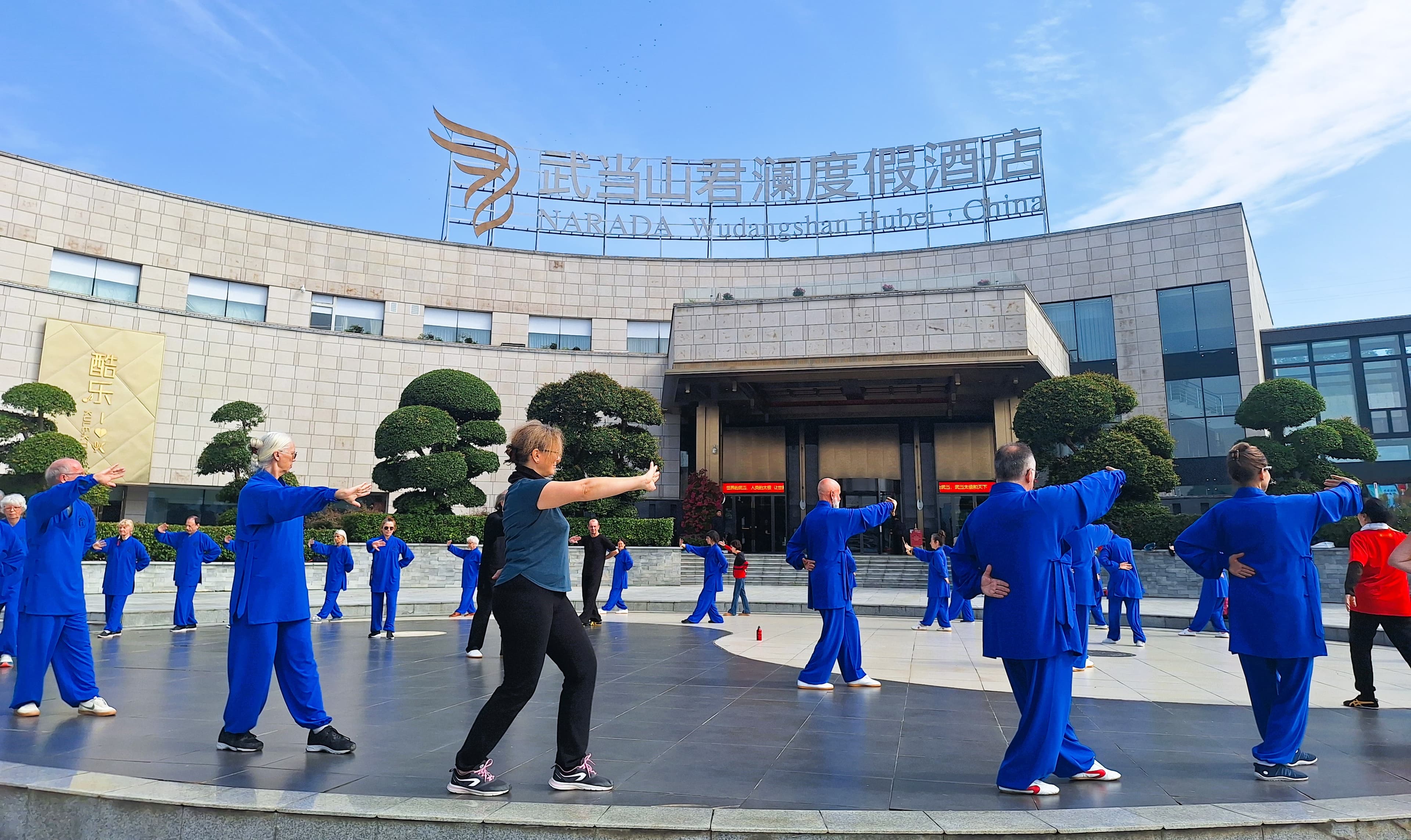
A Tai Chi session takes place in the courtyard of Yuzhen Palace, framed by traditional architecture and open sky.
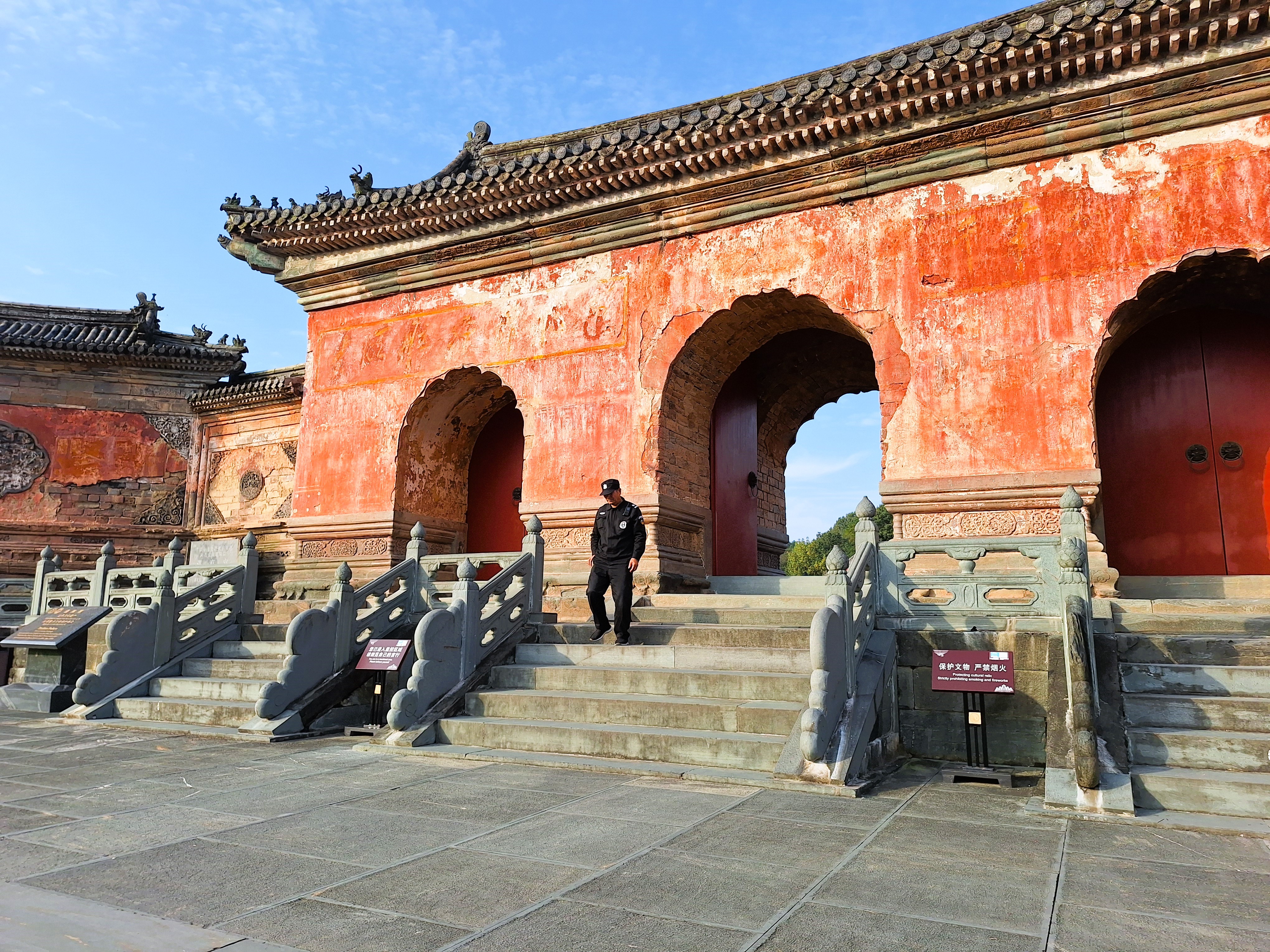
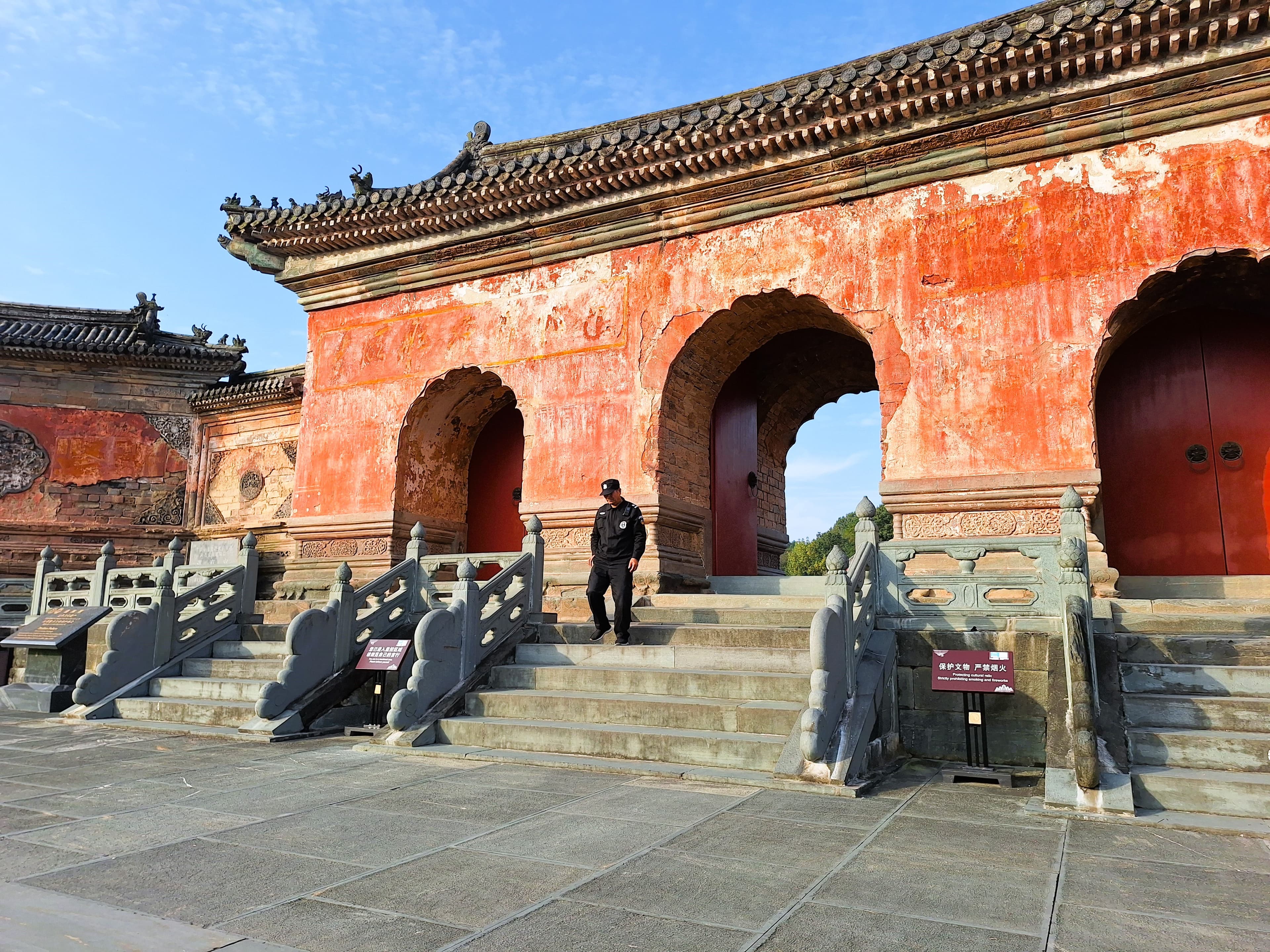
A historic palace building in the Wudang area, showing the red walls and traditional rooflines that define the region's Taoist architecture.
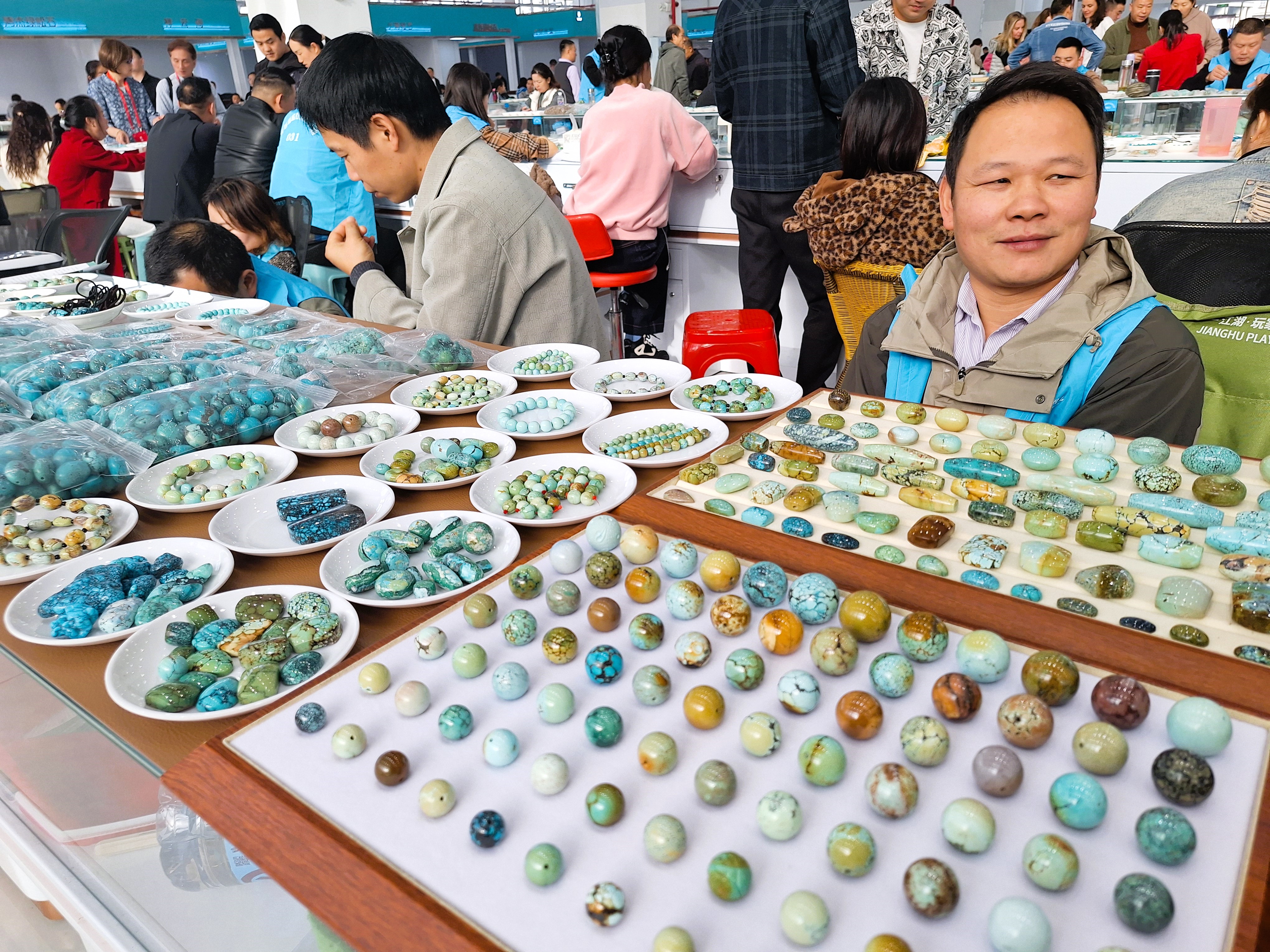
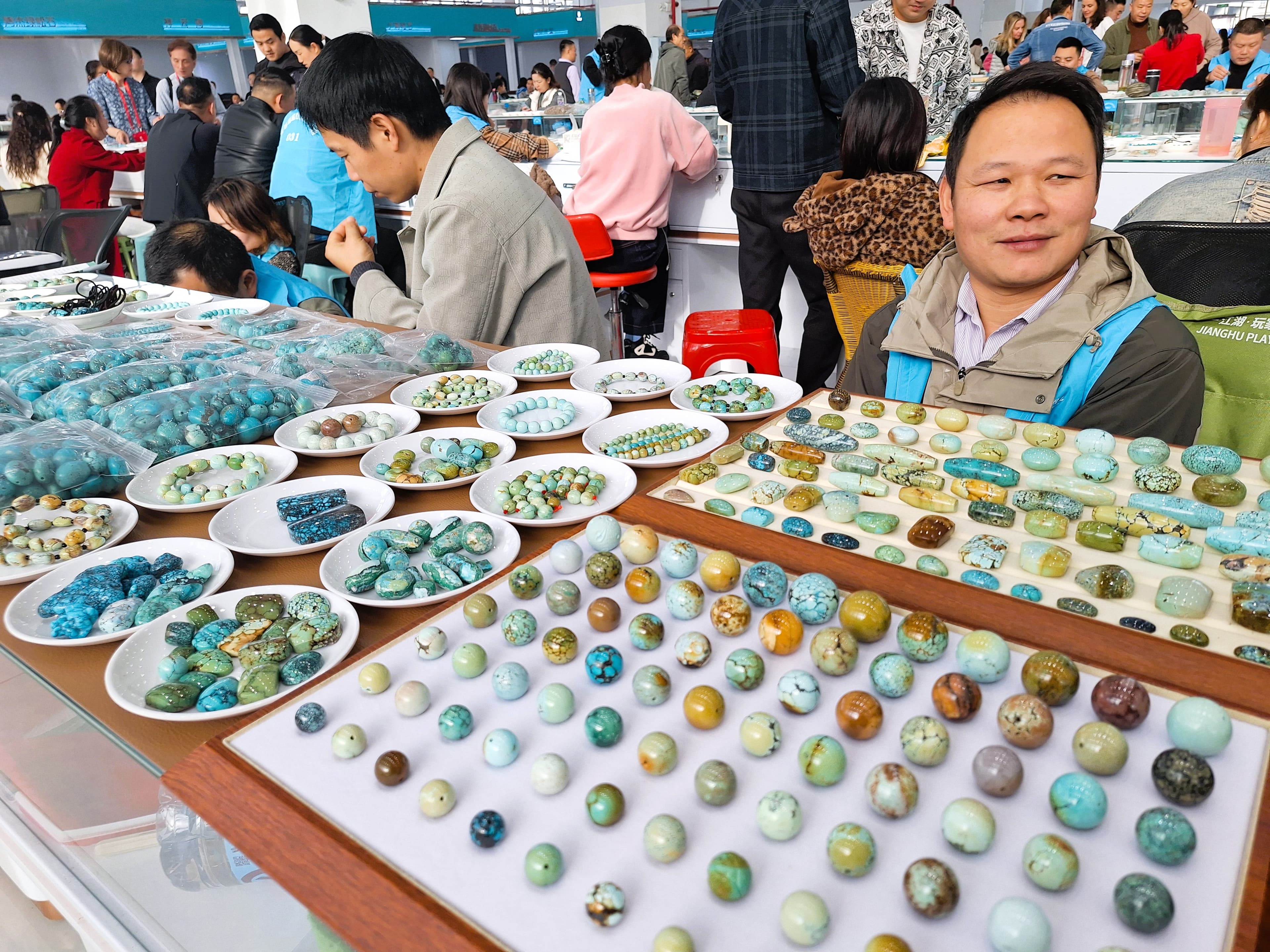
Turquoise stones and jewellery are arranged across market stalls at Majiadu International Turquoise Trading Center.
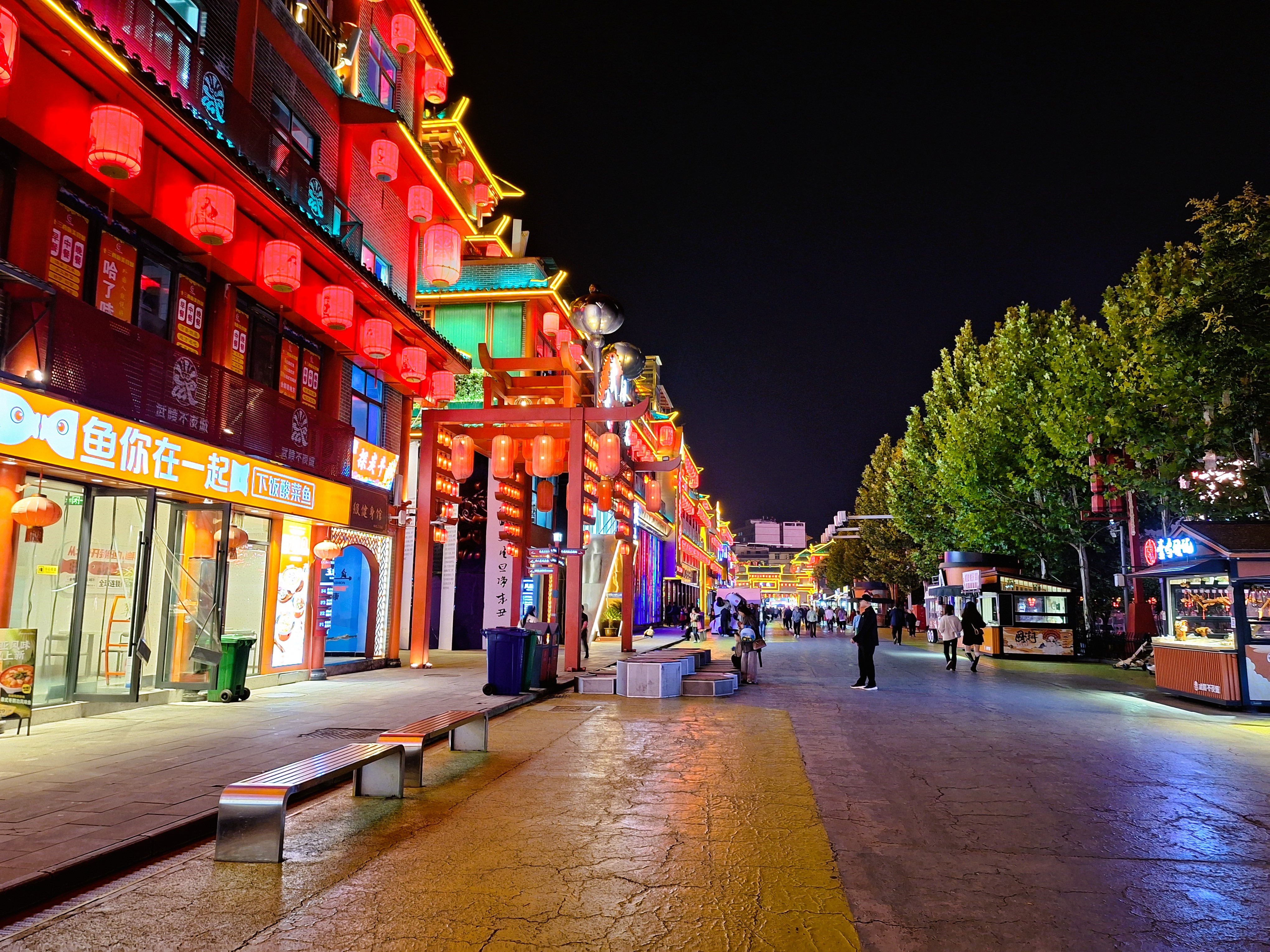
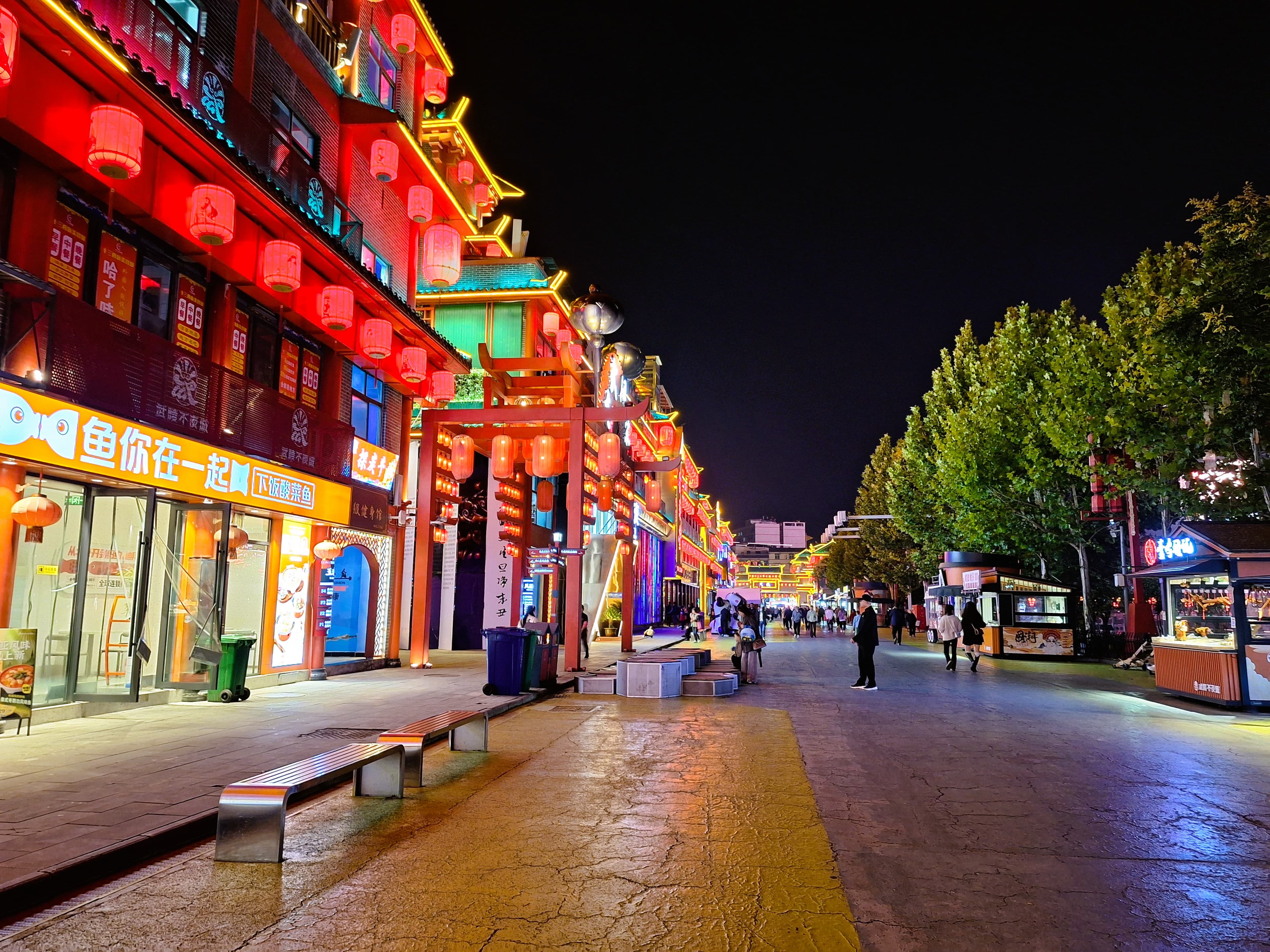
A colourful night street in Wuling Never Sleeps City shows illuminated storefronts, local nightlife and a festive atmosphere.
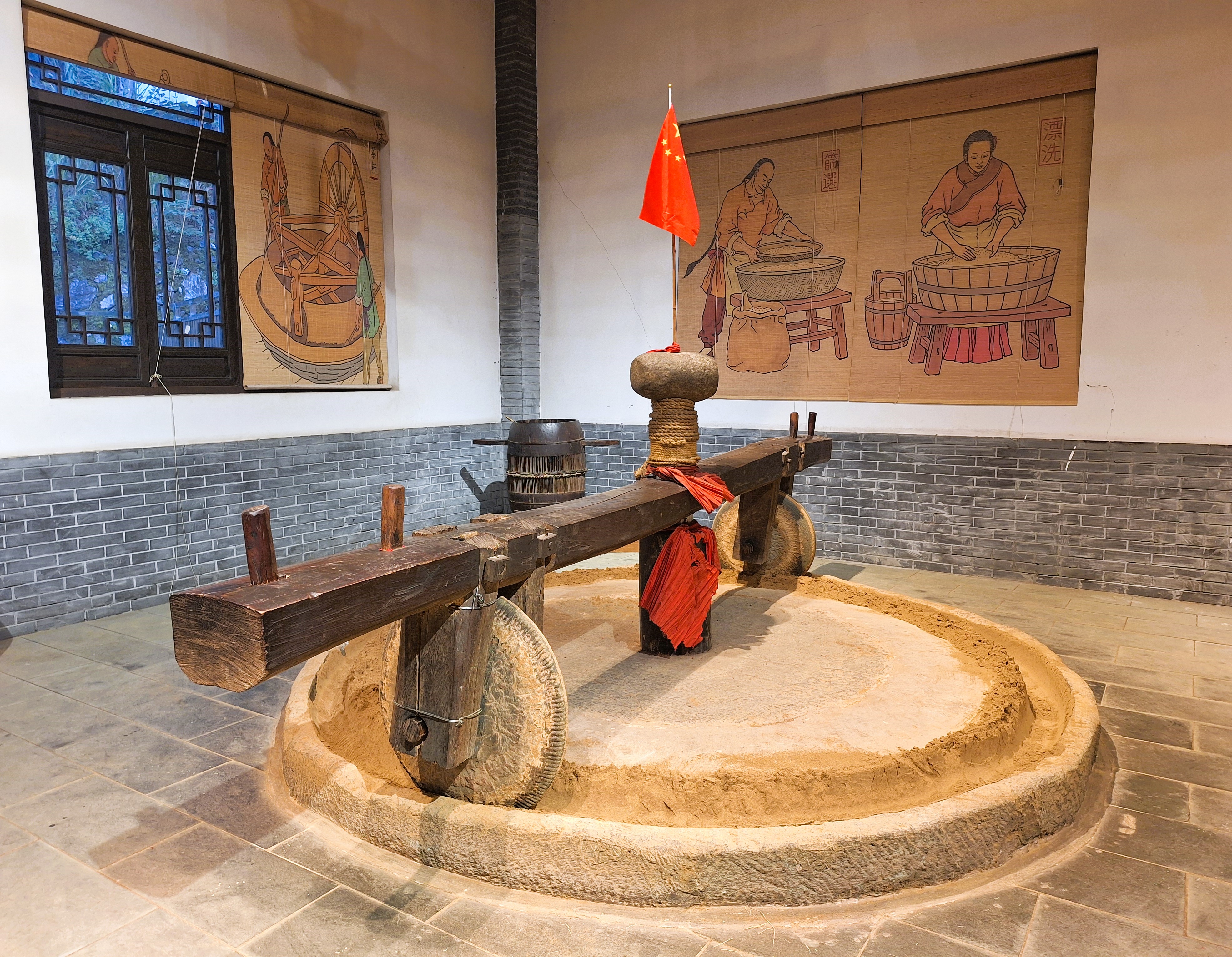
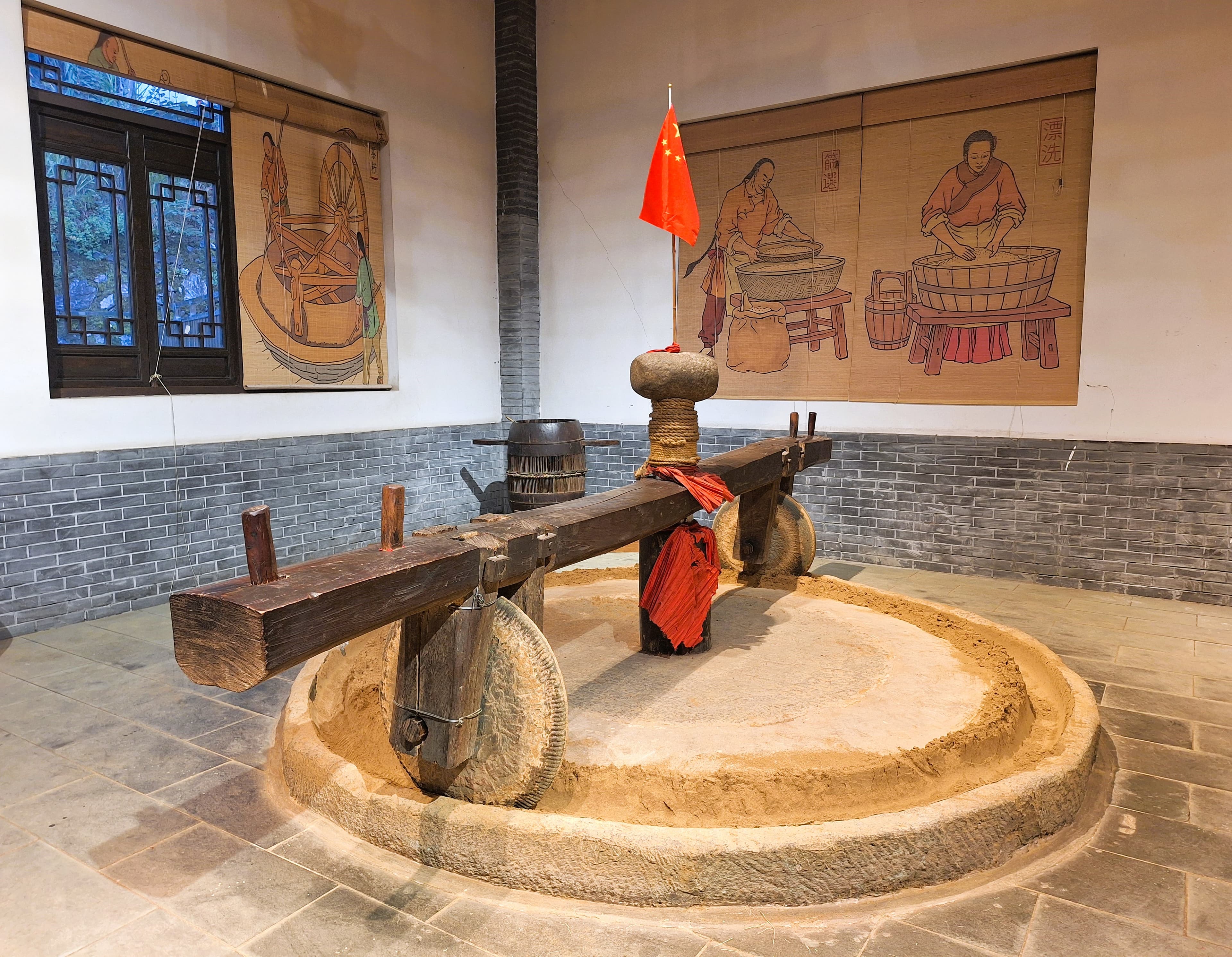
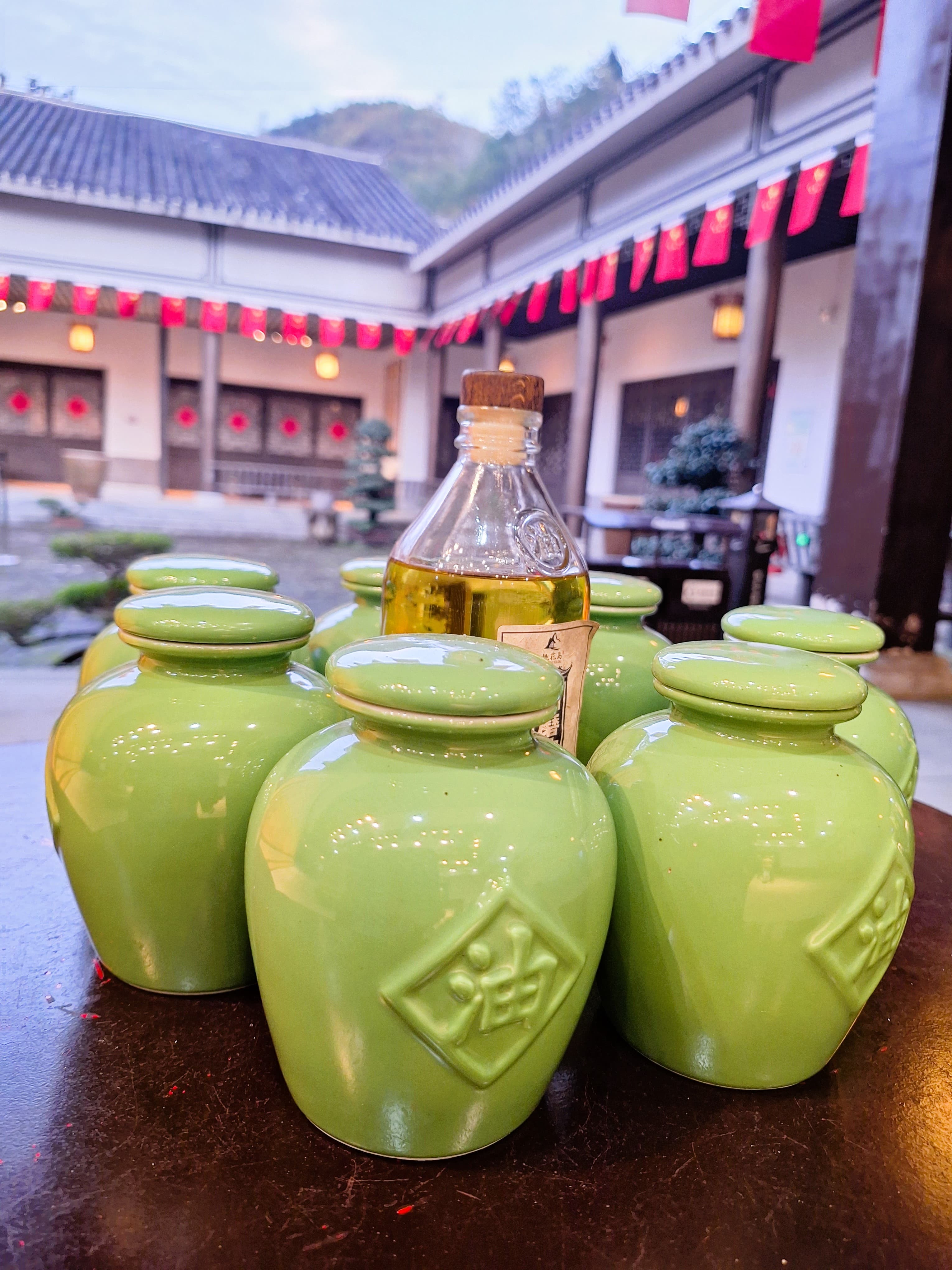
A traditional oil press at Taohua Island Oil Mill Museum demonstrates the tools and methods used in local oil production.
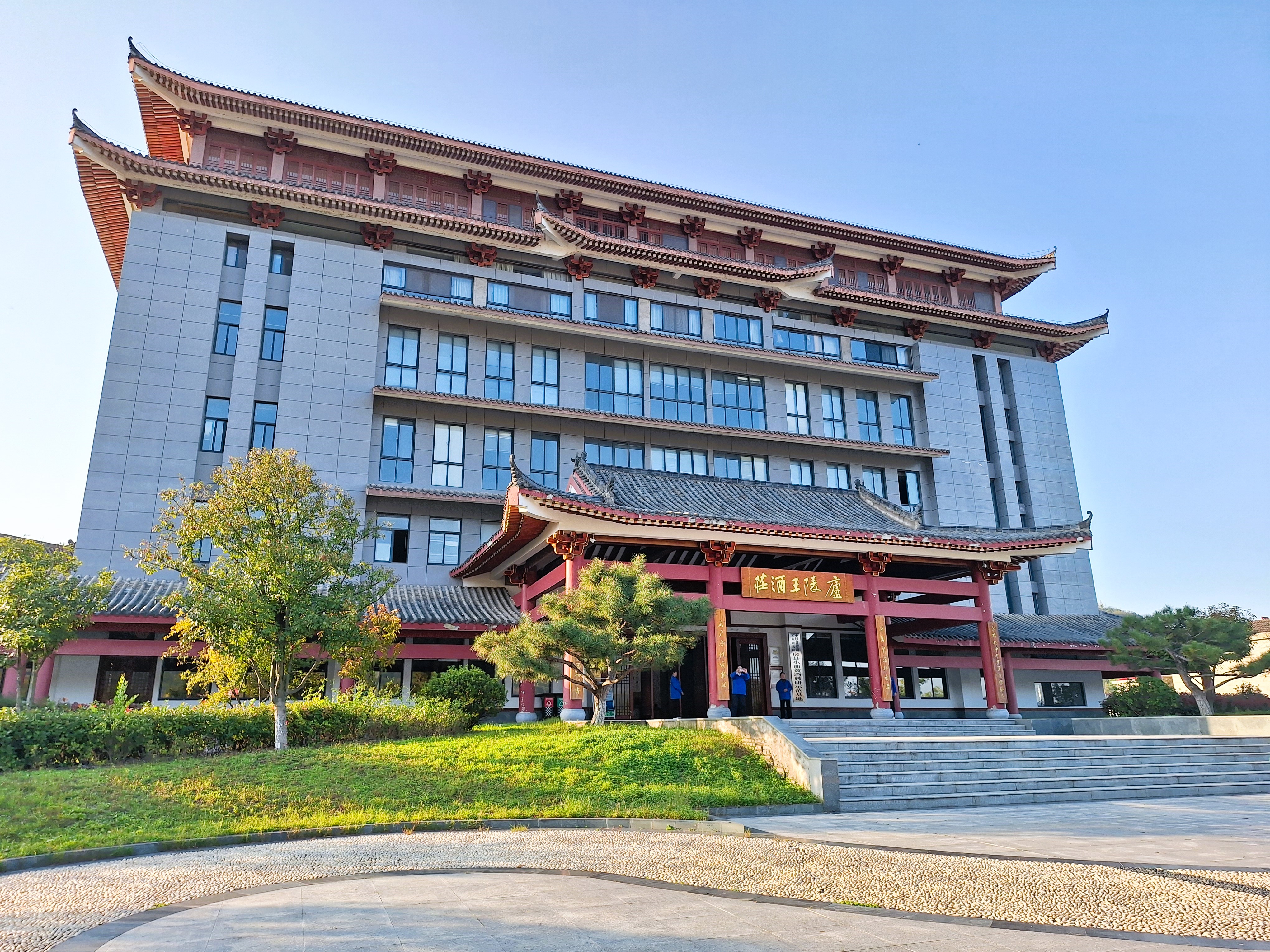
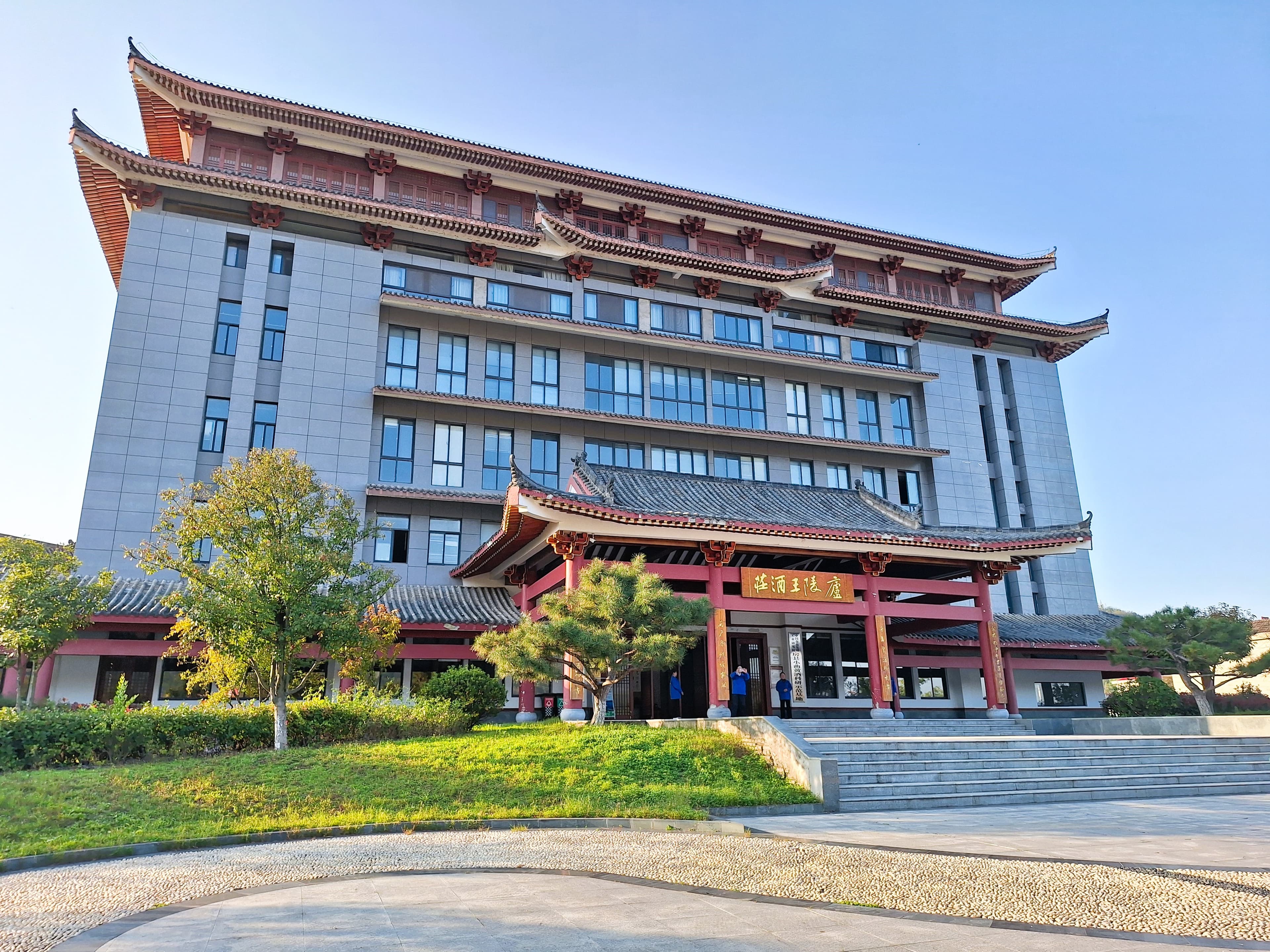
The Luling King Winery building presents Fang County's yellow rice wine tradition through a modern cultural venue.
Cable cars travel through misty mountain scenery at Wudang Mountain, capturing the atmospheric ascent toward the summit.
Young Tai Chi performers practise in formation at Yuxu Palace, surrounded by Wudang's historic architecture.
Young performers strike large drums in the courtyard of Yuxu Palace during the opening ceremony.
A temple interior at Wudang Mountain shows visitors and attendants gathered around a central shrine.
A close detail of Wudang Mountain architecture reveals carved roof ornaments and traditional decorative craft.
A colourful stage scene at Wudang Dream Park uses costume, lighting and theatrical design to bring Wudang culture to life.
A Tai Chi session takes place in the courtyard of Yuzhen Palace, framed by traditional architecture and open sky.
A historic palace building in the Wudang area, showing the red walls and traditional rooflines that define the region's Taoist architecture.
Turquoise stones and jewellery are arranged across market stalls at Majiadu International Turquoise Trading Center.
A colourful night street in Wuling Never Sleeps City shows illuminated storefronts, local nightlife and a festive atmosphere.
A traditional oil press at Taohua Island Oil Mill Museum demonstrates the tools and methods used in local oil production.
The Luling King Winery building presents Fang County's yellow rice wine tradition through a modern cultural venue.
Cable cars travel through misty mountain scenery at Wudang Mountain, capturing the atmospheric ascent toward the summit.
Young Tai Chi performers practise in formation at Yuxu Palace, surrounded by Wudang's historic architecture.
Young performers strike large drums in the courtyard of Yuxu Palace during the opening ceremony.
A temple interior at Wudang Mountain shows visitors and attendants gathered around a central shrine.
A close detail of Wudang Mountain architecture reveals carved roof ornaments and traditional decorative craft.
A colourful stage scene at Wudang Dream Park uses costume, lighting and theatrical design to bring Wudang culture to life.
A Tai Chi session takes place in the courtyard of Yuzhen Palace, framed by traditional architecture and open sky.
A historic palace building in the Wudang area, showing the red walls and traditional rooflines that define the region's Taoist architecture.
Turquoise stones and jewellery are arranged across market stalls at Majiadu International Turquoise Trading Center.
A colourful night street in Wuling Never Sleeps City shows illuminated storefronts, local nightlife and a festive atmosphere.
A traditional oil press at Taohua Island Oil Mill Museum demonstrates the tools and methods used in local oil production.
The Luling King Winery building presents Fang County's yellow rice wine tradition through a modern cultural venue.
Cable cars travel through misty mountain scenery at Wudang Mountain, capturing the atmospheric ascent toward the summit.
Young Tai Chi performers practise in formation at Yuxu Palace, surrounded by Wudang's historic architecture.
Young performers strike large drums in the courtyard of Yuxu Palace during the opening ceremony.
A temple interior at Wudang Mountain shows visitors and attendants gathered around a central shrine.
A close detail of Wudang Mountain architecture reveals carved roof ornaments and traditional decorative craft.
A colourful stage scene at Wudang Dream Park uses costume, lighting and theatrical design to bring Wudang culture to life.
A Tai Chi session takes place in the courtyard of Yuzhen Palace, framed by traditional architecture and open sky.
A historic palace building in the Wudang area, showing the red walls and traditional rooflines that define the region's Taoist architecture.
Turquoise stones and jewellery are arranged across market stalls at Majiadu International Turquoise Trading Center.
A colourful night street in Wuling Never Sleeps City shows illuminated storefronts, local nightlife and a festive atmosphere.
A traditional oil press at Taohua Island Oil Mill Museum demonstrates the tools and methods used in local oil production.
The Luling King Winery building presents Fang County's yellow rice wine tradition through a modern cultural venue.
Cable cars travel through misty mountain scenery at Wudang Mountain, capturing the atmospheric ascent toward the summit.
Young Tai Chi performers practise in formation at Yuxu Palace, surrounded by Wudang's historic architecture.
Young performers strike large drums in the courtyard of Yuxu Palace during the opening ceremony.
A temple interior at Wudang Mountain shows visitors and attendants gathered around a central shrine.
A close detail of Wudang Mountain architecture reveals carved roof ornaments and traditional decorative craft.
A colourful stage scene at Wudang Dream Park uses costume, lighting and theatrical design to bring Wudang culture to life.
A Tai Chi session takes place in the courtyard of Yuzhen Palace, framed by traditional architecture and open sky.
A historic palace building in the Wudang area, showing the red walls and traditional rooflines that define the region's Taoist architecture.
Turquoise stones and jewellery are arranged across market stalls at Majiadu International Turquoise Trading Center.
A colourful night street in Wuling Never Sleeps City shows illuminated storefronts, local nightlife and a festive atmosphere.
A traditional oil press at Taohua Island Oil Mill Museum demonstrates the tools and methods used in local oil production.
The Luling King Winery building presents Fang County's yellow rice wine tradition through a modern cultural venue.
Cable cars travel through misty mountain scenery at Wudang Mountain, capturing the atmospheric ascent toward the summit.
Young Tai Chi performers practise in formation at Yuxu Palace, surrounded by Wudang's historic architecture.
Young performers strike large drums in the courtyard of Yuxu Palace during the opening ceremony.
A temple interior at Wudang Mountain shows visitors and attendants gathered around a central shrine.
A close detail of Wudang Mountain architecture reveals carved roof ornaments and traditional decorative craft.
A colourful stage scene at Wudang Dream Park uses costume, lighting and theatrical design to bring Wudang culture to life.
A Tai Chi session takes place in the courtyard of Yuzhen Palace, framed by traditional architecture and open sky.
A historic palace building in the Wudang area, showing the red walls and traditional rooflines that define the region's Taoist architecture.
Turquoise stones and jewellery are arranged across market stalls at Majiadu International Turquoise Trading Center.
A colourful night street in Wuling Never Sleeps City shows illuminated storefronts, local nightlife and a festive atmosphere.
A traditional oil press at Taohua Island Oil Mill Museum demonstrates the tools and methods used in local oil production.
The Luling King Winery building presents Fang County's yellow rice wine tradition through a modern cultural venue.
Cable cars travel through misty mountain scenery at Wudang Mountain, capturing the atmospheric ascent toward the summit.
Young Tai Chi performers practise in formation at Yuxu Palace, surrounded by Wudang's historic architecture.
Young performers strike large drums in the courtyard of Yuxu Palace during the opening ceremony.
A temple interior at Wudang Mountain shows visitors and attendants gathered around a central shrine.
A close detail of Wudang Mountain architecture reveals carved roof ornaments and traditional decorative craft.
A colourful stage scene at Wudang Dream Park uses costume, lighting and theatrical design to bring Wudang culture to life.
A Tai Chi session takes place in the courtyard of Yuzhen Palace, framed by traditional architecture and open sky.
A historic palace building in the Wudang area, showing the red walls and traditional rooflines that define the region's Taoist architecture.
Turquoise stones and jewellery are arranged across market stalls at Majiadu International Turquoise Trading Center.
A colourful night street in Wuling Never Sleeps City shows illuminated storefronts, local nightlife and a festive atmosphere.
A traditional oil press at Taohua Island Oil Mill Museum demonstrates the tools and methods used in local oil production.
The Luling King Winery building presents Fang County's yellow rice wine tradition through a modern cultural venue.
Cable cars travel through misty mountain scenery at Wudang Mountain, capturing the atmospheric ascent toward the summit.
Young Tai Chi performers practise in formation at Yuxu Palace, surrounded by Wudang's historic architecture.
Young performers strike large drums in the courtyard of Yuxu Palace during the opening ceremony.
A temple interior at Wudang Mountain shows visitors and attendants gathered around a central shrine.
A close detail of Wudang Mountain architecture reveals carved roof ornaments and traditional decorative craft.
A colourful stage scene at Wudang Dream Park uses costume, lighting and theatrical design to bring Wudang culture to life.
A Tai Chi session takes place in the courtyard of Yuzhen Palace, framed by traditional architecture and open sky.
A historic palace building in the Wudang area, showing the red walls and traditional rooflines that define the region's Taoist architecture.
Turquoise stones and jewellery are arranged across market stalls at Majiadu International Turquoise Trading Center.
A colourful night street in Wuling Never Sleeps City shows illuminated storefronts, local nightlife and a festive atmosphere.
A traditional oil press at Taohua Island Oil Mill Museum demonstrates the tools and methods used in local oil production.
The Luling King Winery building presents Fang County's yellow rice wine tradition through a modern cultural venue.
A Note from Wendy, Founder of Nihao Serica
Arrival in Shiyan
Yuxu Palace and the Festival Opening
Climbing Wudang Mountain
A Dream of Wudang
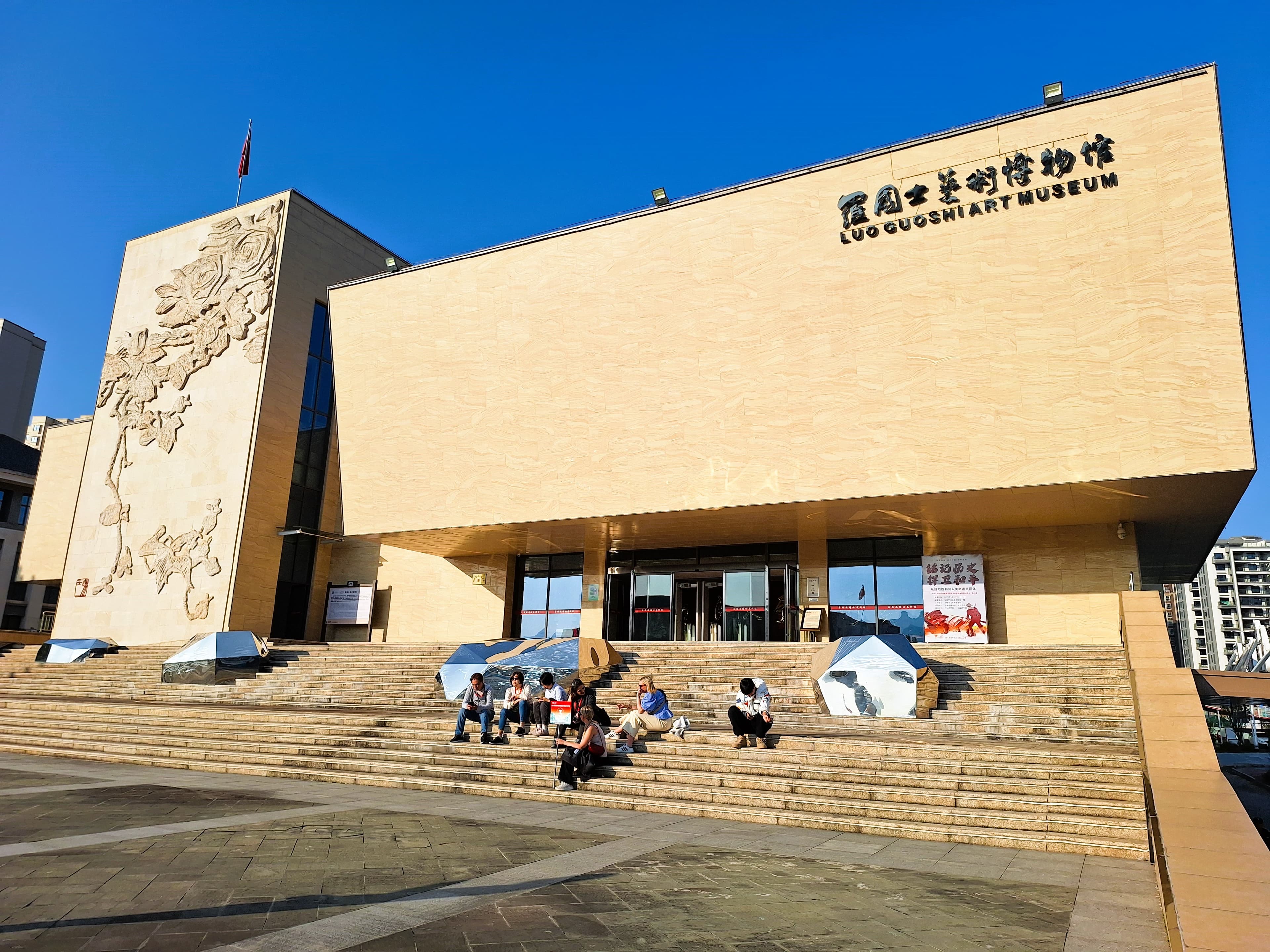
The Museum and Yuzhen Palace
.jpg&w=3840&q=75)
.jpg&w=3840&q=75)
Zhushan County and Turquoise
Zhuxi County After Dark
Rammed Earth Town and the Oil Mill Museum
Fang County Rice Wine and Local Art
.jpg&w=3840&q=75)
.jpg&w=3840&q=75)
Leaving Shiyan
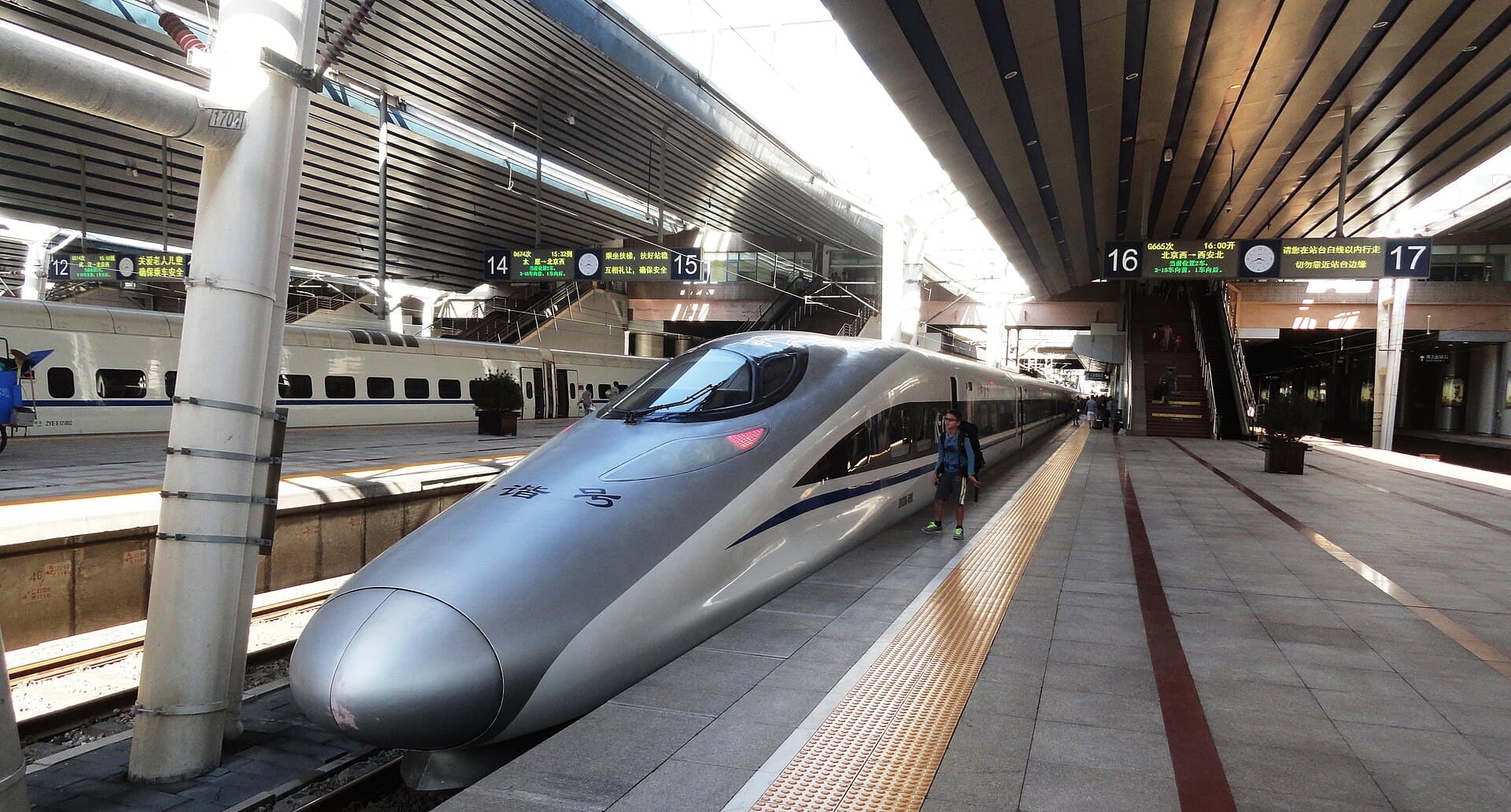
China High-Speed Trains: How to Use Them Without Losing Half the Day
China high-speed trains are fast. The stations are the part travellers underestimate. Build time around security, passport checks, station size, luggage, and the ride to and from the station.
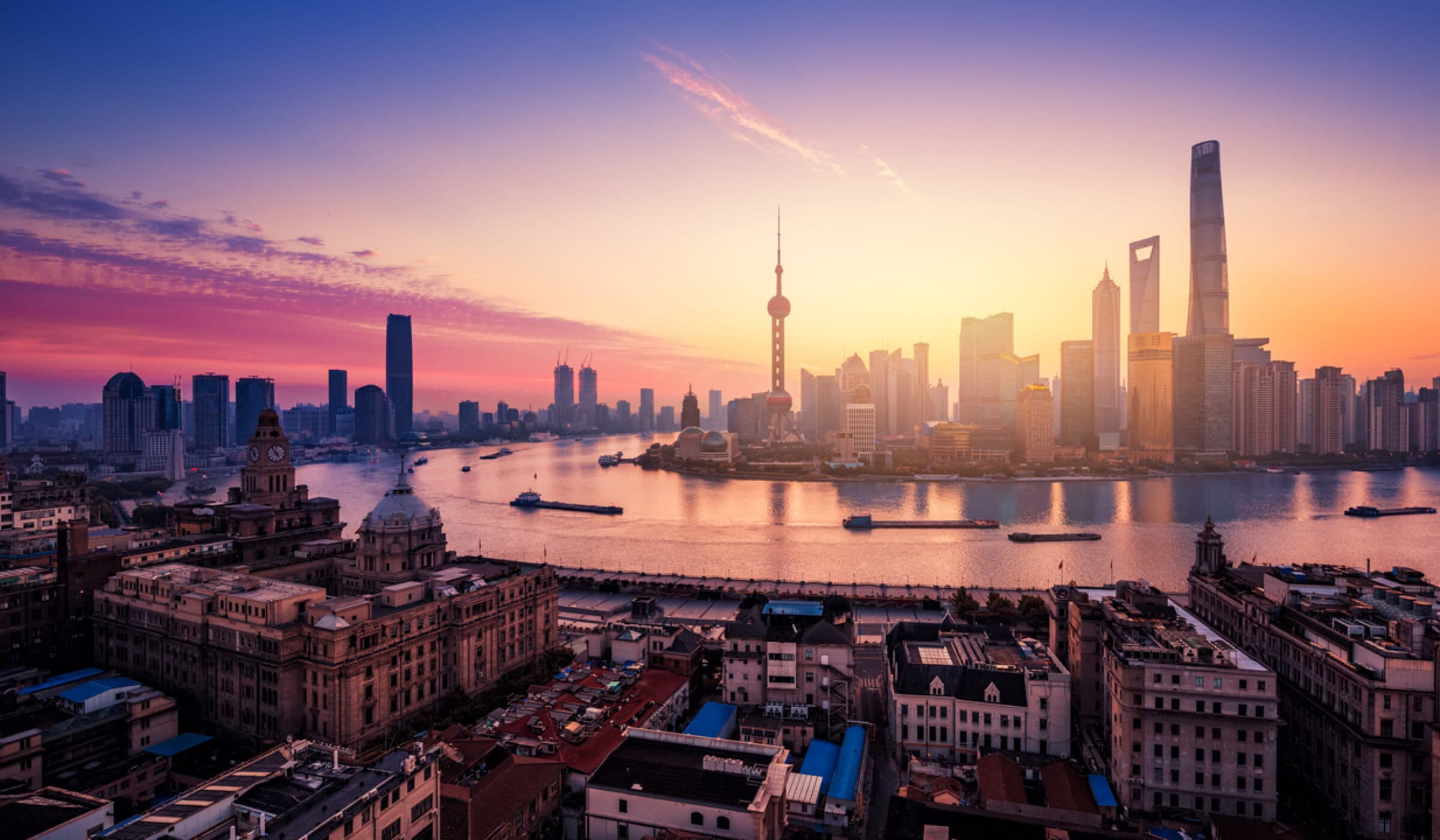
First Private China Trip: How to Plan a Route That Actually Works
A good first China trip is not the one with the most cities. It is the one that works after you land: clear route, sane pace, payment backup, good transfers, and enough space to enjoy where you are.
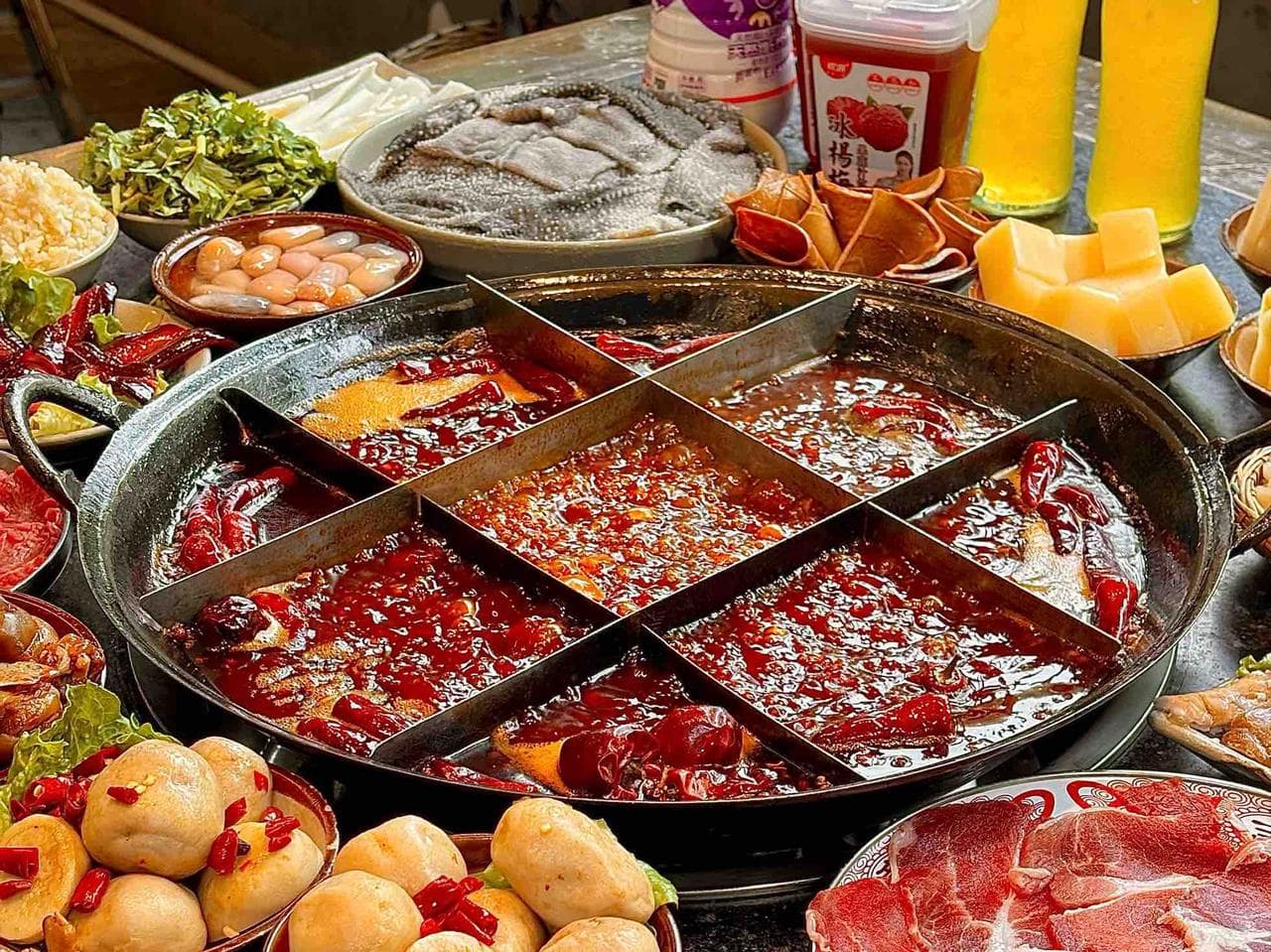
How to Plan a Food-Focused China Trip Without Overdoing It
A good food trip is not a list of famous dishes. It is a route with appetite, timing, local help, and enough ordinary meals that the special ones still feel special.