China High-Speed Trains: How to Use Them Without Losing Half the Day
China high-speed trains are fast. The stations are the part travellers underestimate. Build time around security, passport checks, station size, luggage, and the ride to and from the station.
Transport Guide8 min readBy Nihao Serica
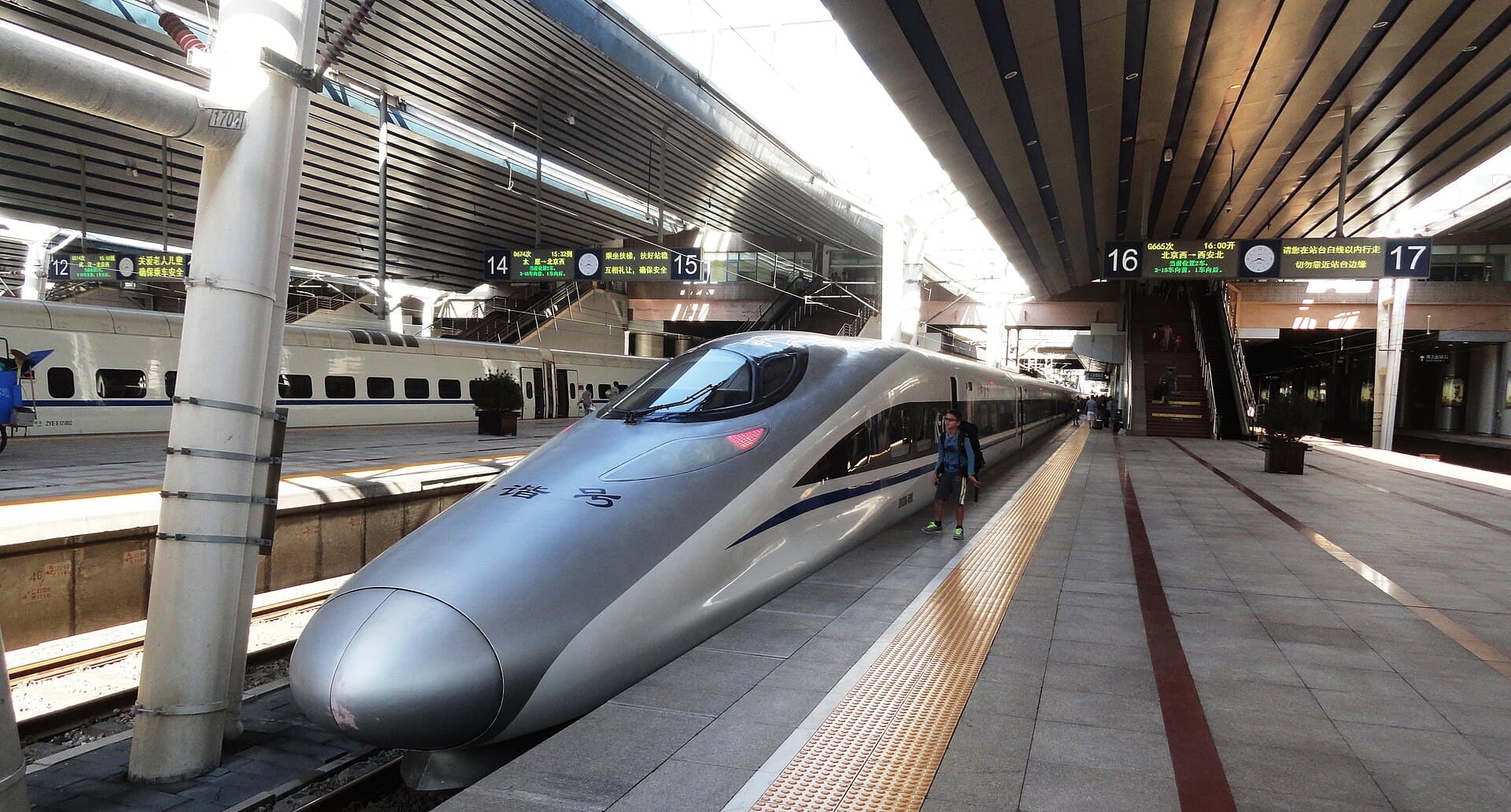
The train is fast. The station takes time
A two-hour train can still become a half-day movement once you add hotel checkout, traffic, security, passport checks, boarding, arrival, and the ride to the next hotel.
This does not mean trains are a bad idea. It means they need honest timing. Build the day around the transfer instead of pretending it is invisible.
For first-time visitors, a calmer train day is better than arriving late and trying to fit in a major sight afterwards.
Book with passport names exactly right
China train tickets are linked to identity documents. Names and passport numbers need to be correct.
Keep passports easy to reach at stations. You may need them at entry, security, ticket checks, or boarding gates.
If your itinerary depends on a specific train, book early. Busy routes and holiday periods can sell out or leave awkward times.
For private trips, this is also where coordination matters. The guide, driver, hotel and traveller should all be working from the same train number and arrival station. A small mismatch can turn a clean transfer into a confusing one.
Pack for movement, not fantasy
Large suitcases are possible, but they make station movement slower. Escalators, lifts, crowded boarding areas, and platform changes all feel easier with less luggage.
If your trip has many train legs, pack lighter than you think. The same bag that feels fine in a hotel lobby can feel very different in a busy station.
Sometimes flying is better
High-speed rail is excellent for many routes: Shanghai to Suzhou, Hangzhou, Nanjing, Beijing to Xian, and other strong rail corridors.
For very long distances, mountain regions, western China, or awkward station access, flying may still be smarter.
The right question is not "train or plane?" It is "which option gives this day the least waste and the most comfort?"
Choose the right station, not just the right city
Large Chinese cities often have more than one major railway station. The station name matters. Beijing South is not Beijing West. Shanghai Hongqiao is not Shanghai Railway Station. The wrong station can add an hour or more to the day.
When planning, look at the hotel, the station, the train time, and the arrival transfer together. A slightly slower train from a better station can be easier than a faster train that starts or ends in the wrong place.
This is one reason private planning saves stress. The train number is only one piece. The station logic around it is what makes the transfer feel calm.
Do not plan a big sight after a train unless it is close
Travellers often look at a morning train and assume the afternoon is open. Sometimes it is. Often it is not. By the time you check out, reach the station, clear security, board, arrive, meet the driver, and check in again, the day has a different shape.
Use arrival days for lighter experiences: a neighbourhood walk, a good dinner, a riverside view, or a short guided orientation. Save the major museum, mountain, or palace for a day when you are already settled.
This is not about being cautious. It is about protecting the expensive, meaningful parts of the trip from being squeezed by logistics.
Build a clear handoff
The most comfortable train days have a clean handoff. Someone knows when you leave the hotel, which station entrance to use, where the guide or driver meets you, and what happens if the train is late.
If you are travelling independently, save the Chinese station name, train number, carriage, seat, arrival station, hotel address, and emergency contact in one place. Screenshots are useful when signal drops or apps load slowly.
Good train travel in China feels simple because the messy parts are handled quietly in advance.
A planner's note
Train travel works beautifully when the whole transfer is planned, not just the train time. We look at hotel location, station choice, luggage, guide handoff, and the energy left after arrival.