How to Plan a Food-Focused China Trip Without Overdoing It
A good food trip is not a list of famous dishes. It is a route with appetite, timing, local help, and enough ordinary meals that the special ones still feel special.
Food Travel8 min readBy Nihao Serica
Do not chase every famous dish
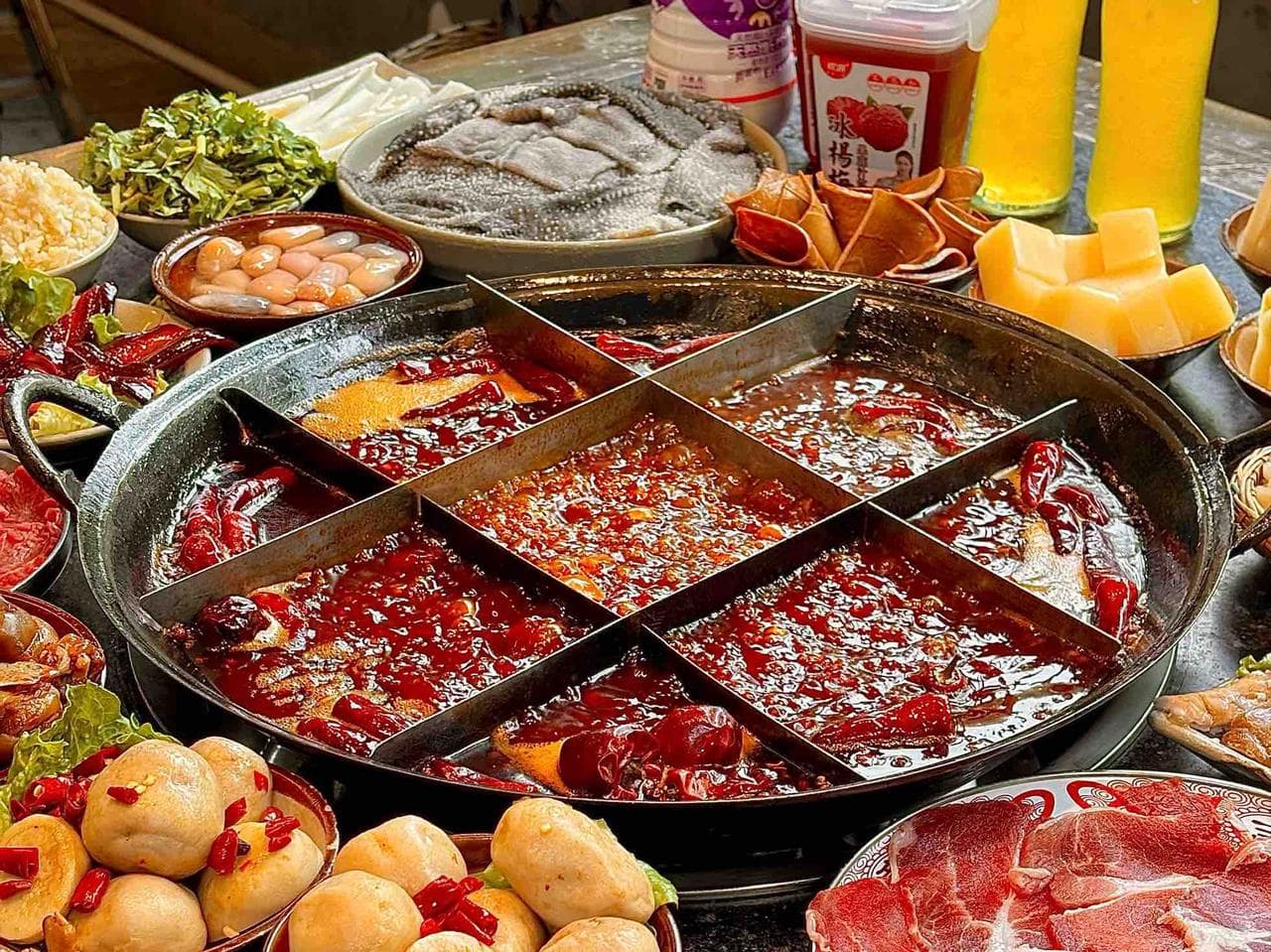
Peking duck, Sichuan hot pot, dim sum, dumplings, noodles, tea, lamb skewers. China has too many food icons for one trip.
The mistake is trying to collect them all. Food travel becomes better when you choose a few regions and let meals explain those places.
A Chengdu meal should not feel like a Beijing meal. A Guangzhou breakfast should not feel like a Xian noodle stop. That difference is the point.
Build meals around the day
A heavy hot pot after a long travel day may sound exciting when planning. It can feel brutal after a delayed train and hotel check-in.
Put adventurous meals on days with space. Use simpler meals after transfers, big sights, or late arrivals.
The best food itinerary protects appetite. It does not punish it.
Lunch often works better as the adventurous meal because people still have energy. Dinner can then be relaxed, especially after walking-heavy days. This small shift can make a food route feel generous instead of relentless.
Let local places stay local
Some excellent restaurants do not write for foreign visitors. Menus may be fully Chinese. Booking may need a phone call. Staff may be kind but busy.
This is where local support helps. Someone can order properly, explain spice levels, check ingredients, and stop you from accidentally ordering five versions of the same thing.
It also helps with timing. Some places are best early, some are better late, and some are not worth the queue when you only have two evenings in a city. A good food plan chooses the right meal, not just the famous name.
Leave room for messy food
Not every meal should be polished. Street snacks, noisy noodle shops, wet markets, tea houses, and late-night skewers can carry more memory than a formal dinner.
You still need hygiene judgement and allergy care. But do not remove all the rough edges. That is where a food trip starts to feel alive.
Choose cities for flavour, not only fame
A food-focused China trip should be regional. Chengdu and Chongqing bring spice, hot pot, noodles, and a different rhythm around the table. Guangzhou brings morning tea, roast meats, seafood, and Cantonese precision. Xian brings wheat, lamb, cumin, and Muslim Quarter energy.
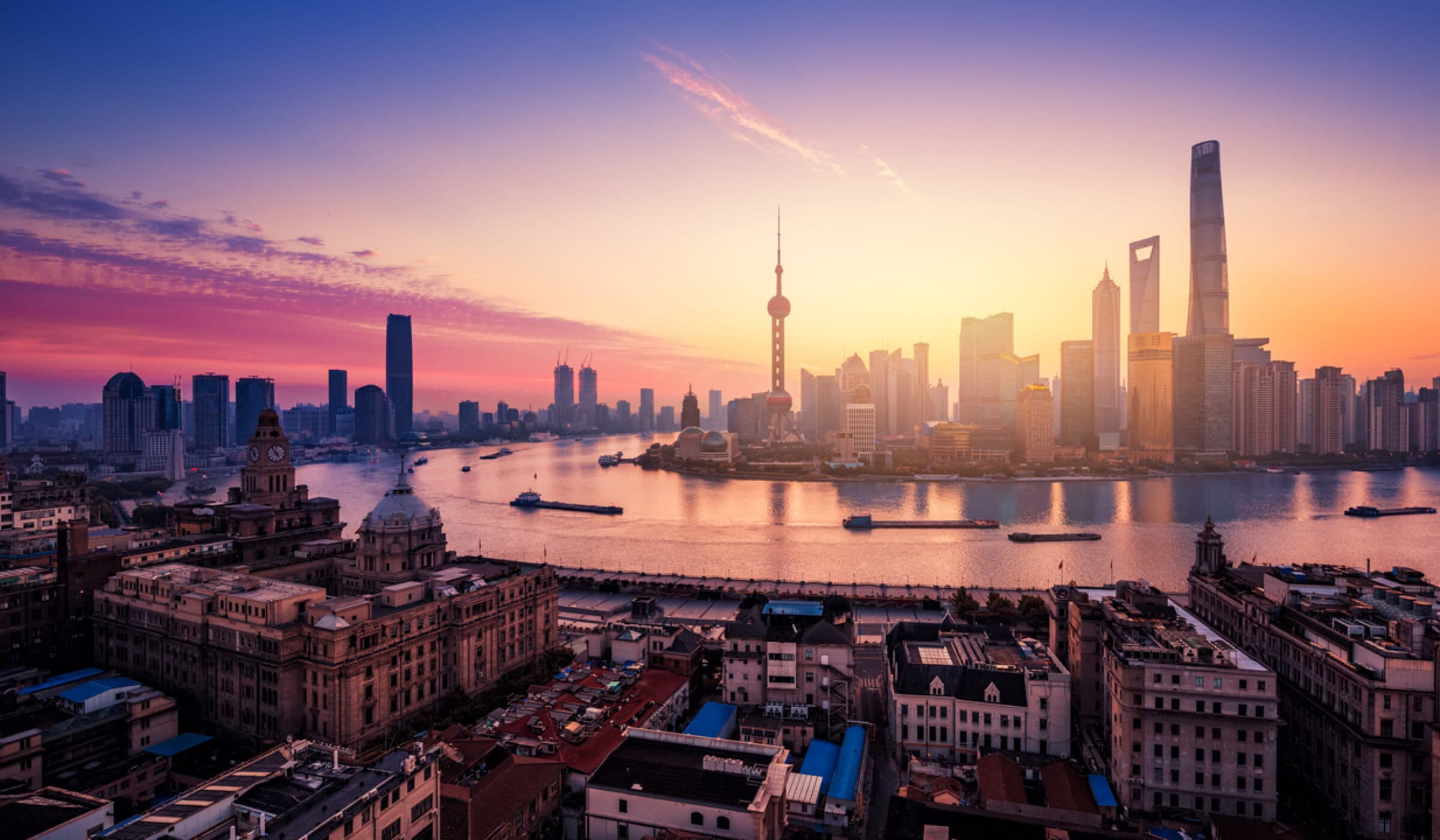
Shanghai can be a beautiful landing point, but it should not carry the whole food story alone. Beijing has imperial dishes and old snacks. Hangzhou is gentler, with lake fish, tea, and lighter flavours.
The route should let the food change as the landscape, language, and city mood change. That is when meals begin to feel like travel rather than restaurant collecting.
Be honest about what you will not eat
Food travellers sometimes feel pressure to say yes to everything. That is not necessary. Allergies, religious rules, spice tolerance, texture issues, and simple personal dislikes should be clear before the trip starts.
Being honest does not make the experience less authentic. It makes it safer and more enjoyable. A good local host can still introduce surprise without putting you in a difficult position.
The best meals happen when curiosity and comfort are both present. If one disappears, the table becomes work.
Let one meal be ordinary every day
If every meal is a highlight, none of them are. Build in simple meals: a bowl of noodles, fruit from a shop, hotel breakfast, a quiet cafe, or an easy dinner near the hotel.
This matters more on longer routes. Your appetite needs rhythm. Heavy lunches, tasting menus, and hot pot nights are better when the rest of the day gives them space.
A food trip should leave you excited for the next meal, not negotiating with your stomach by day four.
A planner's note
Food travel works when it is planned around appetite, not performance. We build in local restaurants, translation, regional context, and enough easy meals that travellers stay curious instead of exhausted.