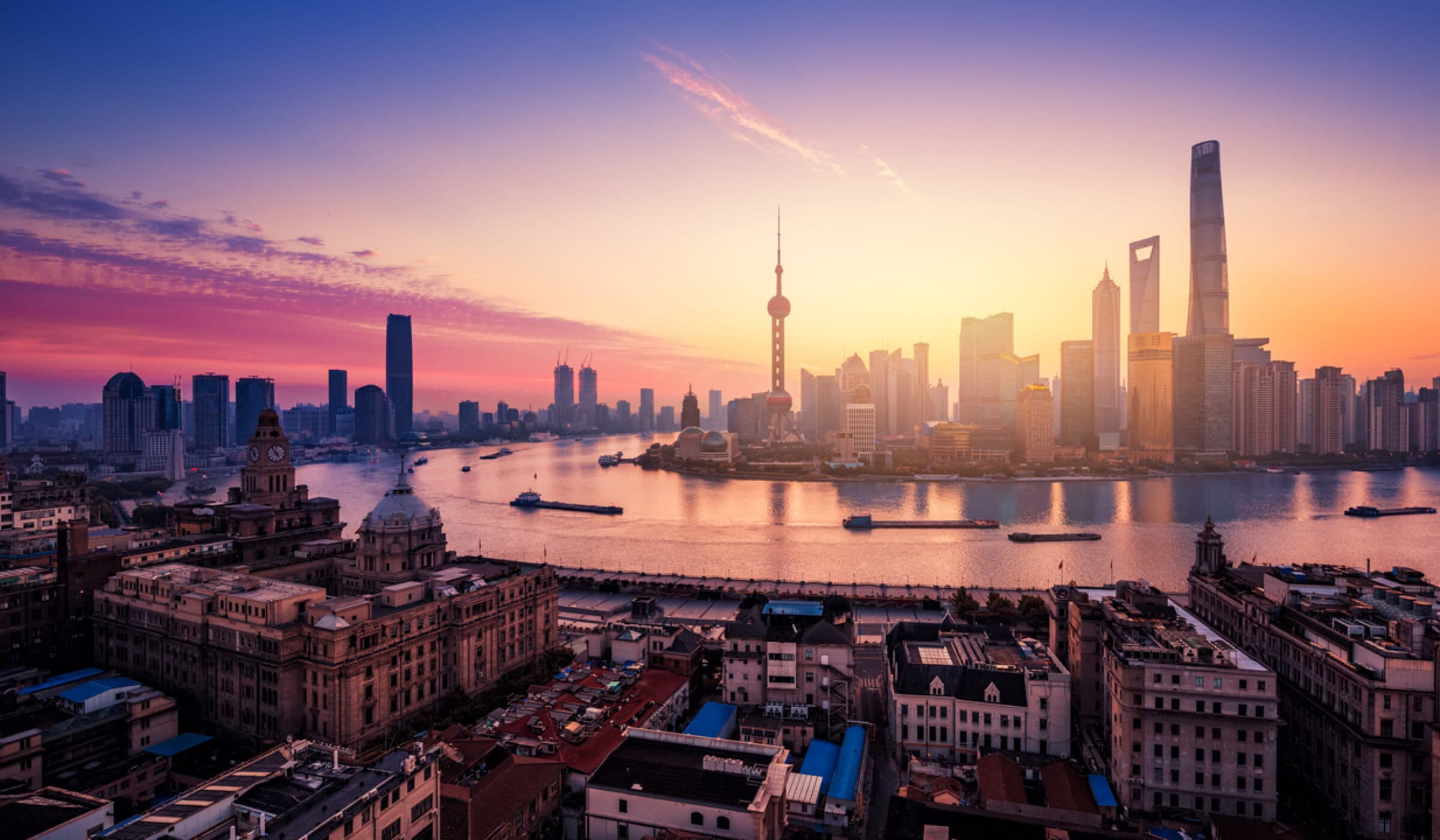
Shanghai, Suzhou and Hangzhou: A Softer First Week in China
Not every first China trip needs to cross the country. Shanghai, Suzhou, and Hangzhou give modern energy, gardens, canals, tea, food, and easier transfers in one calm first week.
Itinerary Ideas8 min readBy Nihao Serica
Start in Shanghai
Shanghai is one of the easiest places to land in China. It has strong hotels, international food when you need it, good transport, and enough English support to make the first day less stressful.
It also gives a clear first impression of modern China: skyline, old lanes, museums, design shops, river views, and excellent food.
Use Shanghai to settle in before moving to smaller, slower places nearby.
Add Suzhou for gardens and canals
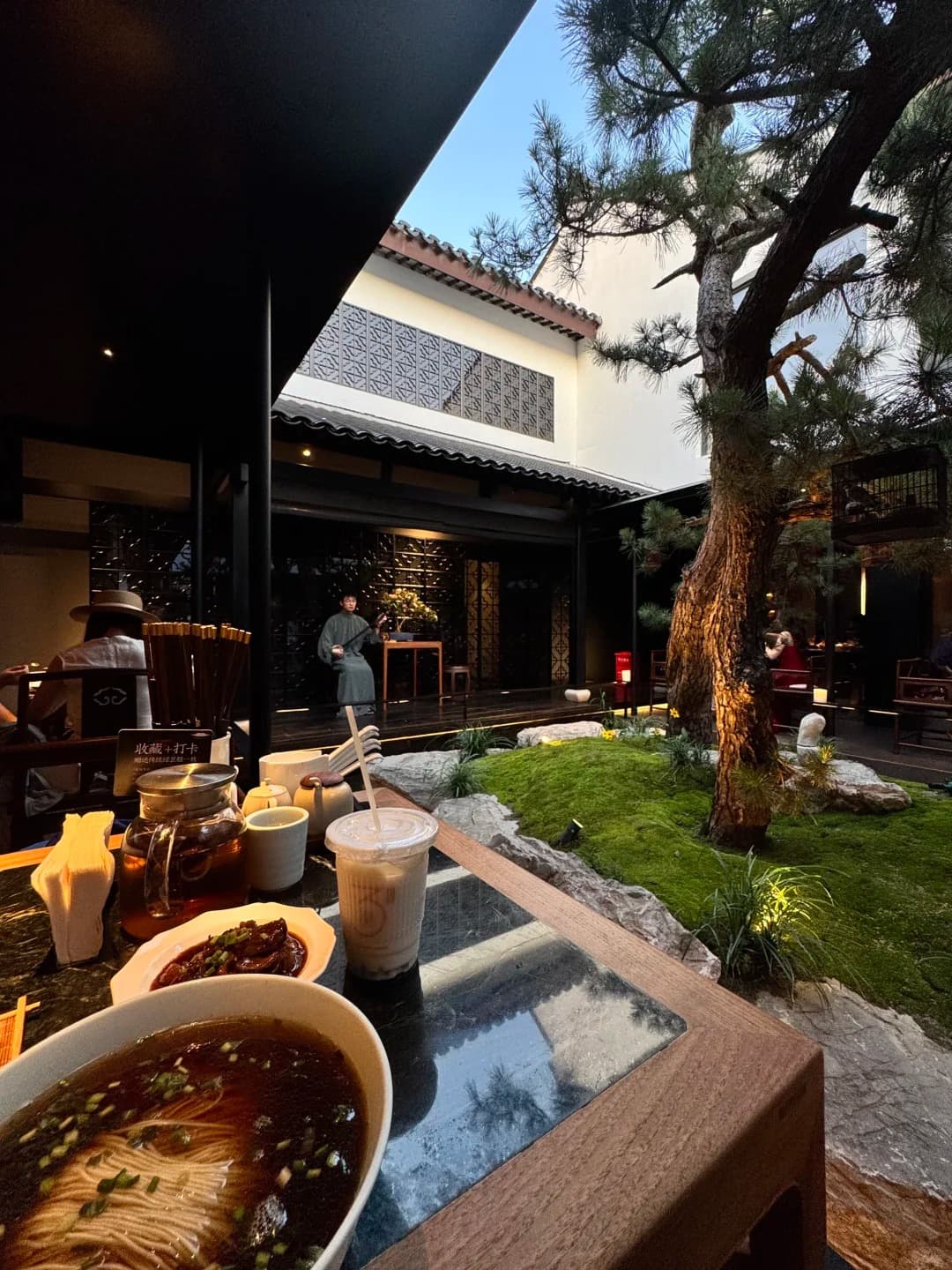
Suzhou is close to Shanghai, but the mood changes quickly. Classical gardens, canal streets, silk history, and local markets make it feel more intimate.
A guide helps here because gardens are easy to under-read. Without context, you see pretty rocks and ponds. With context, the design becomes much more interesting.
Suzhou can be a day trip or an overnight stop. Overnight is calmer. Day trip is simpler.
Use Hangzhou as the slow chapter
Hangzhou brings water, tea, temples, and a softer pace. West Lake is famous, but the day works best when it is not rushed from viewpoint to viewpoint.
A good Hangzhou day might include a boat ride, temple visit, tea stop, local lunch, and time to walk without chasing every sight.
Rain does not always ruin Hangzhou. Sometimes it suits the place.
If Shanghai is about arrival and Suzhou is about detail, Hangzhou is about exhale. It gives the route emotional space, which is why it works so well near the end of a first week.
Who this route is for
This route suits couples, older travellers, families, design-minded travellers, and business visitors adding leisure days.
It is not the route for pandas, the Great Wall, deserts, or the Terracotta Warriors. It is the route for travellers who want an elegant first week and fewer moving parts.
How to pace the week
A simple version is three nights in Shanghai, one or two nights in Suzhou, and two nights in Hangzhou. If you dislike moving hotels, Suzhou can be a day trip from Shanghai, but staying overnight gives it more atmosphere.
Do not rush all three into three or four days. The beauty of this route is its softness. You want time for a slow breakfast, a garden visit, a tea stop, and an evening walk without checking the next train every hour.
For travellers arriving from a long-haul flight, this route works especially well because the transfers are short and the first days can be shaped gently.
What this route teaches you about China
Shanghai shows speed, scale, global influence, and the confidence of modern China. Suzhou shows classical taste, garden design, canals, and older merchant culture. Hangzhou shows landscape, poetry, tea, and a slower idea of beauty.
Together they give a first-time traveller more range than the map suggests. You are not just seeing three nearby places. You are seeing three different ways Chinese life and culture have organised themselves around water, trade, design, and leisure.
That is why the route works best with context. A guide does not need to over-explain, but a few good stories can make the differences visible.
Where to add depth
If you love food, add a Shanghainese dinner, Suzhou noodles, Hangzhou tea, and a proper market stop. If you love design, focus on gardens, museums, architecture, and contemporary craft.
If you are travelling with older parents, keep hotels central and transfers private. If you are travelling as a couple, protect one unplanned evening in each city. If this is a business add-on, use Shanghai as the anchor and let Suzhou or Hangzhou soften the trip.
The route is simple, but it should not be generic. Its strength is that it can be shaped without becoming complicated.
A planner's note
This is a good route for travellers who want China to feel approachable first. It does not cover every icon. It gives a softer first rhythm, with short transfers and strong cultural variety.